
Welcome
Part of Thalamic Neuromodulation Across Neurological Disorders
Details
- Date
- Friday, January 22, 2027
- Time
- 4:00 PM – 4:05 PM
- Session type
- Concurrent Session
- Schedule
- See this day
About
The central thalamus has re-emerged as a compelling neuromodulation target across a range of neurologically devastating conditions. Once explored primarily for pain, central thalamic stimulation is now being actively investigated for drug-resistant epilepsy, disorders of consciousness following traumatic brain injury, chronic neuropathic pain, and movement disorders including Tourette syndrome. Despite shared anatomical targeting, the therapeutic rationale, stimulation parameters, and outcome measures differ substantially across these indications, and cross-pollination between disease-specific research programs has been limited.
Presenters
-
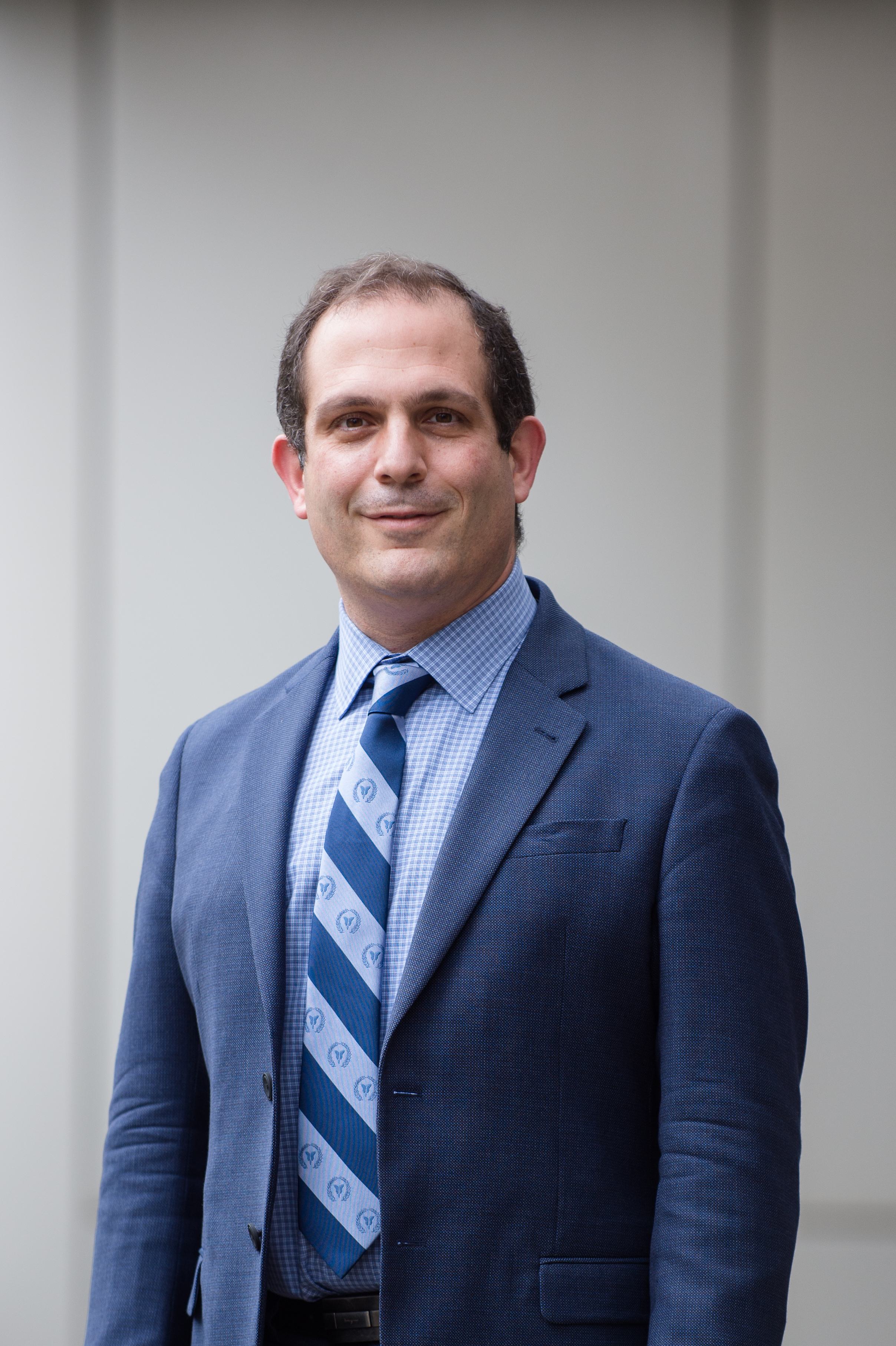
Nader Pouratian, MD PhD
Professor and Chair
UT Southwestern Medical Center · Dallas, Texas
Dr. Pouratian serves as Professor and Chair of Neurological Surgery at UT Southwestern Medical Center, serving as Lois C.A. and Darwin E. Smith Distinguished Chair in Neurological Surgery. Dr. Pouratian has built a comprehensive multidisciplinary NIH-funded academic clinical program. He brings extensive clinical expertise in the surgical management of movement disorders, psychiatric disease, and facial pain syndromes using brain stimulation, targeted ablation (including focused ultrasound), radiosurgery, and microsurgical techniques. His research aims to understand brain diseases and to develop targeted therapies. His academic programs takes advantage of neurosurgical opportunities to study human brain function and design novel neurotechnologies, with a focus on understanding of the network basis of neuropsychiatric disease and therapeutic brain stimulation. His NIH-funded work investigates basic human neuroscientific principles of movement regulation as well multiple diseases, including Parkinson disease, chronic pain, depression, anesthesia and consciousness, cardiac disease, and blindness.
-
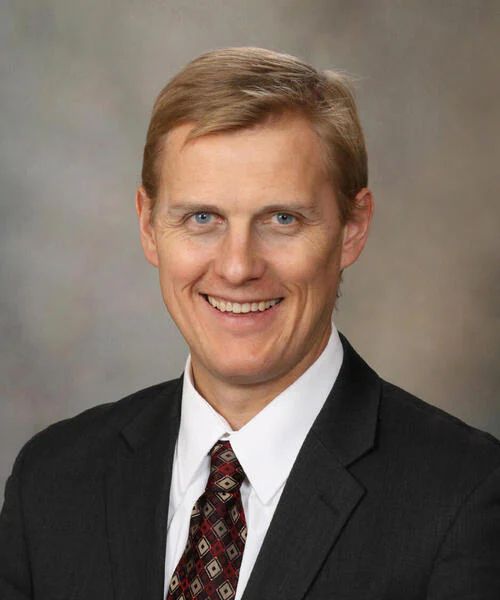
Kai J. Miller, PhD, MD, PhD
Professor
Mayo Clinic · Rochester, Minnesota
Kai Miller is a Professor of Neurosurgery at Mayo Clinic in Minnesota, where he specializes in pediatrics, epilepsy, and movement disorders. He obtained a PhD in Physics, an MD, and a second PhD in Neuroscience. After completing his neurosurgery residency at Stanford, Kai was named as the 2018 Van Wagenen fellow, and he completed 3 clinical fellowships in epilepsy, deep-brain stimulation, and tumor resection in children and adults. In addition to his clinical practice, Dr. Miller studies basic human neurophysiology, cybernetics, and distributed circuitry from recordings in the neurosurgical setting with a particular emphasis on signal processing. His group, the Cybernetics and Motor Physiology Laboratory, is focused on the creation of new tools to 1) control cybernetic prostheses, 2) induce brain plasticity after injury, and 3) intervene with distributed circuits in neuropsychiatric disease and movement dysfunction. Kai is motivated by a desire to translate emerging understanding of circuitry from this device as a neuroscientific and diagnostic tool to immediately create new sense-and-stim therapies.