
Welcome
Part of Tuning the Spinal Network: How the Spinal Cord Integrates and Responds to Stimulation
Details
- Date
- Saturday, January 23, 2027
- Time
- 10:30 AM – 10:34 AM
- Session type
- Panel Session
- Schedule
- See this day
About
Spinal cord stimulation (SCS) mediates analgesia by modulating the activity and connectivity of spinal neural circuits. This basic science session will highlight recent advances revealing how dorsal column stimulation spatiotemporally reorganizes the firing dynamics of dorsal horn networks. Presentations will draw on complementary approaches, including computational modeling, in vivo electrophysiological recordings from identified dorsal horn neurons, and optical imaging of molecularly defined neuronal populations. The session will explore how neuropathic pain alters dorsal horn activity, identify emerging biomarkers of pain and therapeutic efficacy, and propose new mechanistic insights into how electrical stimulation exerts its effects. Particular emphasis will be placed on how sensory information flow through the dorsal horn is regulated by inhibitory tone, and how kilohertz-frequency SCS may engage inhibition more effectively than conventional stimulation. Recent two-photon imaging studies of defined inhibitory interneurons will further illustrate how specific SCS parameters shape neuronal activation and network organization.
Presenters
-
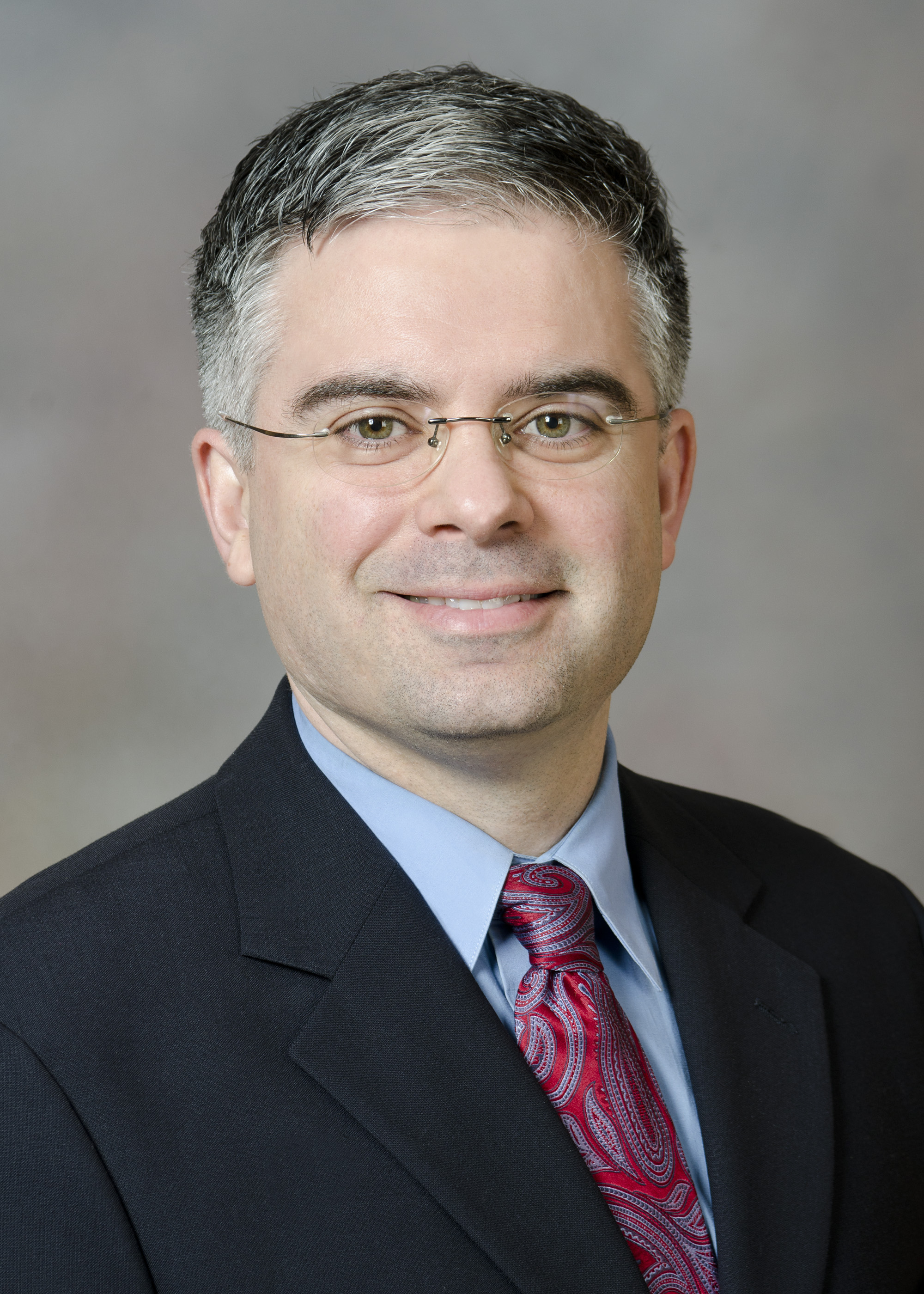
Dr. Sdrulla is an Associate Professor of Anesthesiology and Pain Management at Oregon Health & Science University, where he sees patients at the Comprehensive Pain Center. In addition to patient care, Dr. Sdrulla has an NIH-funded laboratory investigating the mechanisms of spinal cord stimulation using optical imaging techniques. As a dedicated clinician scientist, Dr. Sdrulla hopes his research will help advance non-pharmacological therapeutic modalities for refractory pain.
-
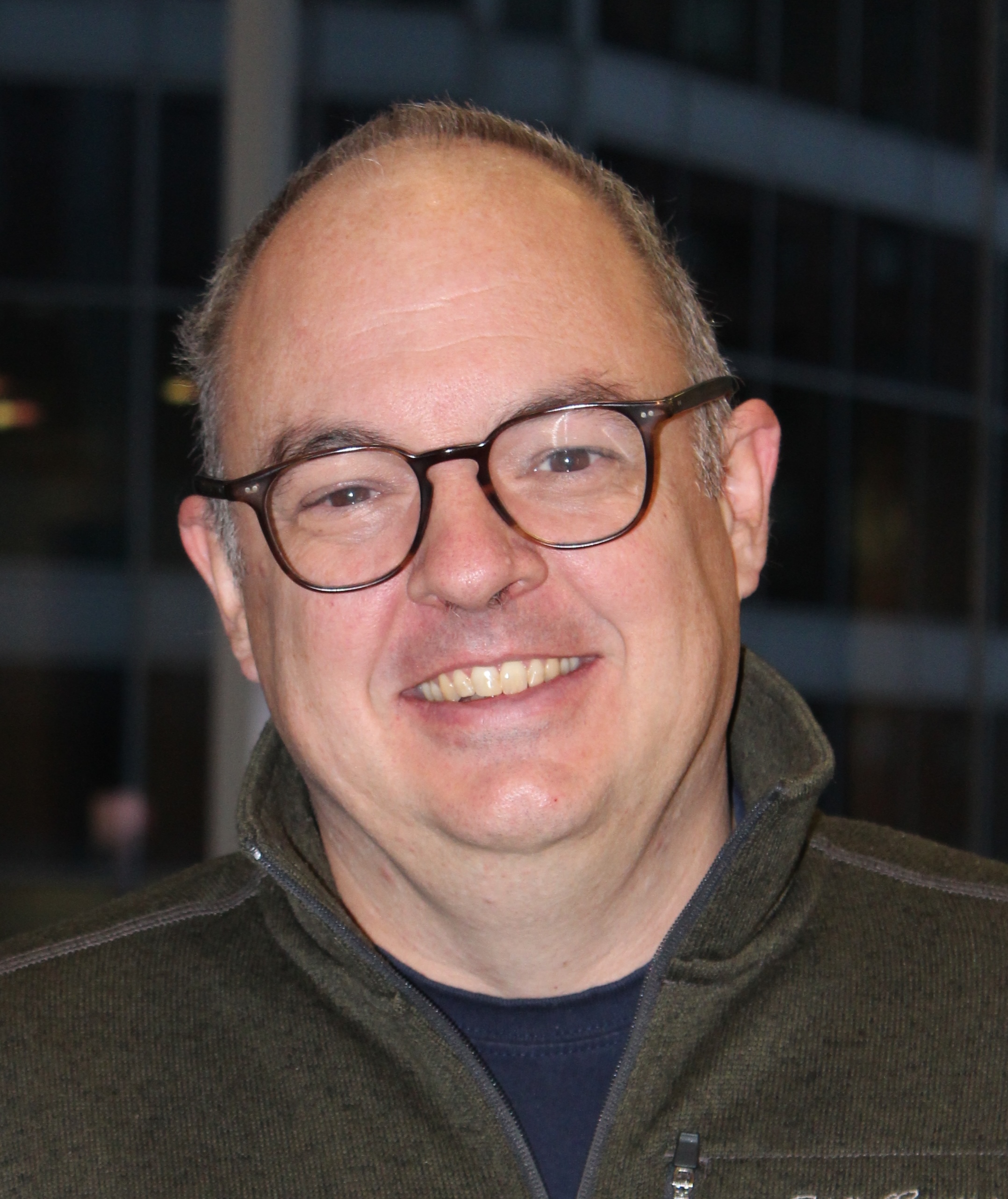
Steve Prescott is currently Professor and Canada Research Chair in Neural Coding at the Hotchkiss Brain Institute at the University of Calgary. He recently moved his lab from the University of Toronto and, prior to that, was at the University of Pittsburgh. He completed his MD/PhD at McGill University before doing a postdoctoral fellowship in computational neuroscience at the Salk Institute. His lab studies how somatosensory input is normally coded, how coding becomes pathologically altered in chronic pain conditions, and how it can be modulated by spinal cord stimulation.