
Welcome
Part of Frontiers in Invasive and Non-Invasive Neuromodulation for Treatment-Resistant Psychiatric Disorders
Details
- Date
- Saturday, January 23, 2027
- Time
- 4:00 PM – 4:04 PM
- Session type
- Concurrent Session
- Schedule
- See this day
About
An estimated 30-50% of patients with psychiatric disorders are resistant to both psychotherapy and pharmacological intervention. For these patients, recent advancements in both invasive and non-invasive neuromodulation offer promising therapeutic options. Neurostimulation approaches demonstrate efficacy in targeting large-scale networks and may therefore address dysfunctional circuitry associated with treatment-resistant psychiatric conditions. Among of current neuromodulation approaches, transcranial magnetic stimulation (TMS) is FDA-approved for major depressive disorder, obsessive compulsive disorder and smoking cessation. Deep brain stimulation is currently only approved for obsessive compulsive disorder, while focused ultrasound has yet to be approved for any refractory psychiatric conditions. Increasing evidence suggests that many treatment-resistant psychiatric disorders arise from disruptions in large-scale brain networks. To date, the neural circuitry underlying psychiatric disease is best characterized in OCD, where extensive research has highlighted the role of the cortico-striato-thalamo-cortical circuit. As understanding of disease-specific network dysfunction progresses, both invasive and noninvasive neuromodulation approaches may one day expand to treat other refractory psychiatric disorders, such as eating disorders, Tourette syndrome, substance use disorders, PTSD, and negative symptoms in schizophrenia. Current research aims to identify and characterize network disruptions underly each disorder to guide more precise mapping and subsequent stimulation targeting. In this session, we will discuss several emerging indications for neuromodulation in psychiatry and the common challenges facing clinical teams. Experts will discuss current strategies for optimizing stimulation parameters across modalities, determining when neuromodulation is the appropriate treatment, and identifying predictors of patient response. Additionally, we will discuss advances in understanding the neuronal networks underlying these conditions and how network-level insights can be leveraged to guide more precise and effective targeting strategies. This session will highlight work from multidisciplinary clinical teams spanning neurosurgery, neurology, psychiatry, and engineering.
Presenters
-

Addie graduated with a Bachelor of Science from University of Minnesota in 2023. She joined the Neuroscience Graduate Program at Vanderbilt University in 2023 and is completing her PhD under the mentorship of Dario Englot and Laurie Cutting. She studies cognitive neuroscience and epilepsy using functional magnetic resonance imaging and stereotactic electroencephalography techniques.
-
Addie graduated with a Bachelor of Science from University of Minnesota in 2023. She joined the Neuroscience Graduate Program at Vanderbilt University in 2023 and is completing her PhD under the mentorship of Dario Englot and Laurie Cutting. She studies cognitive neuroscience and epilepsy using functional magnetic resonance imaging and stereotactic electroencephalography techniques.
-
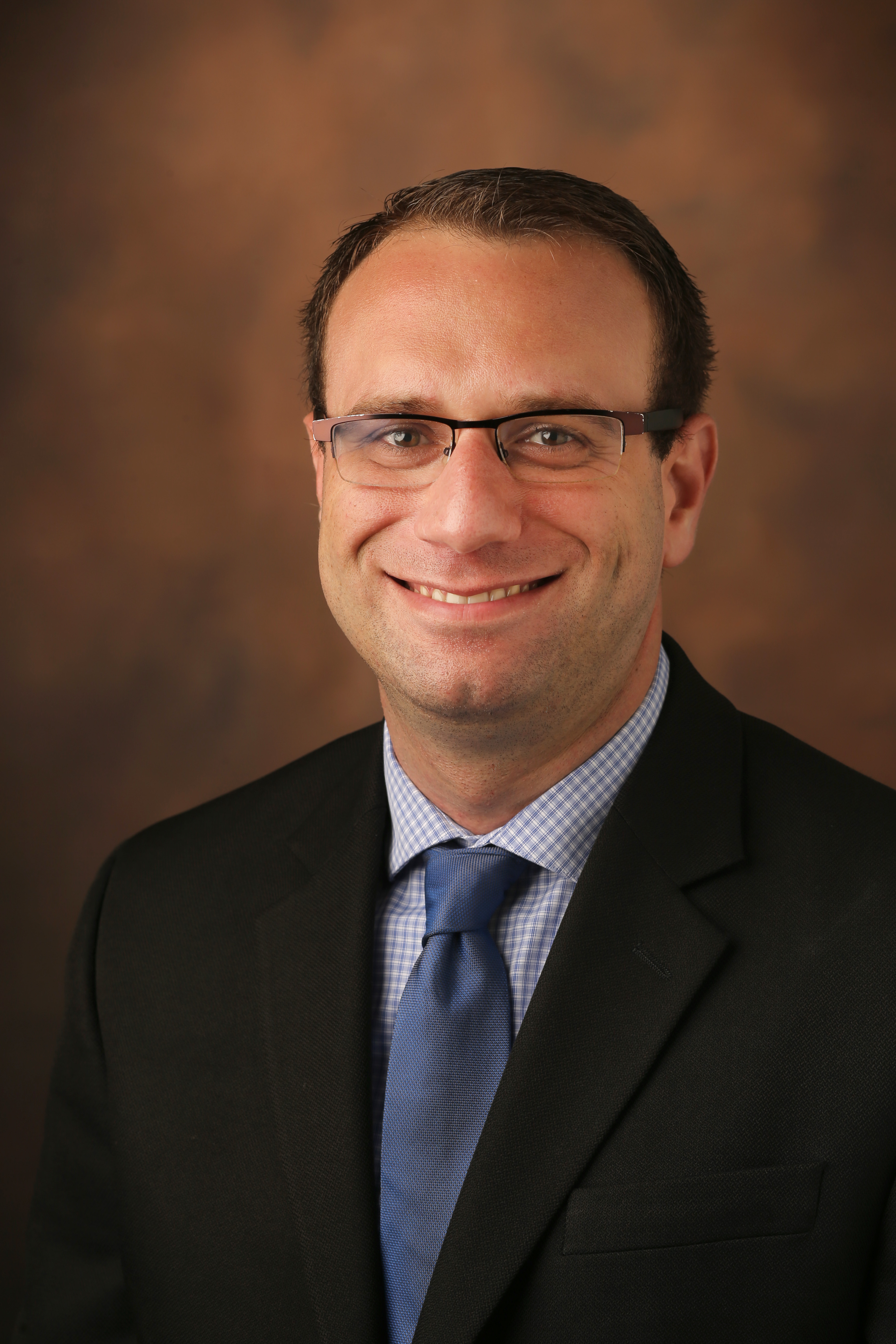
Dario J. Englot, MD, PhD
Director of Functional Neurosurgery
Vanderbilt University Medical Center · Nashville, Tennessee
Dario J. Englot, MD, PhD, is a tenured Associate Professor of Neurological Surgery, Neurology, Radiology, Electrical Engineering, and Biomedical Engineering at Vanderbilt University. He is also Vice Chair of Research and Director of Functional Neurosurgery and Surgical Director of Epilepsy at Vanderbilt University Medical Center, and director of a CAST-accredited fellowship in Functional Neurosurgery. He received his MD and PhD degrees from Yale University and completed neurosurgical residency at the University of California, San Francisco, and his functional neurosurgery fellowship at Vanderbilt University. Dr. Englot leads an active NIH-funded translational research laboratory integrating human neuroimaging and electrophysiology techniques to study brain networks in neurological diseases and normal brain states, with a focus in developing advanced neuromodulation treatments. He serves on the board of NANS, is Secretary-Treasurer of the American Society for Stereotactic and Functional Neurosurgery (ASSFN), and he is immediate past chair of the Surgical Therapies Commission in the International League Against Epilepsy (ILAE). Dr. Engot is Associate Editor and future Editor-in-Chief of the journal Epilepsy Currents, Associate Editor of Epilepsia, and also serves on the editorial boards of the Journal of Neurosurgery and Epilepsy & Behavior.