
Role of Functional MRI and Magnetoencephalography (MEG) in Understanding the Impact of Neuromodulatory Treatments for Pain
Part of Guiding Precision Neuromodulation with Biomarkers: The Path to Personalized Therapy
Details
- Date
- Sunday, January 24, 2027
- Time
- 8:56 AM – 9:08 AM
- Session type
- Concurrent Session
- Schedule
- See this day
About
Neuromodulation therapies, including spinal cord stimulation, deep brain stimulation, and peripheral nerve stimulation, are increasingly used to treat pain and neurological disorders. However, outcomes remain variable, with some patients experiencing substantial benefit while others achieve limited or no improvement. There is a need for better tools to guide patient selection, therapy optimization, and outcome prediction. Biomarkers-objective biological indicators that reflect physiological or pathological processes-have the potential to transform the field by enabling more precise and personalized neuromodulation strategies. Speakers in this session will review neurophysiological markers such as evoked compound action potentials, neuroimaging signatures, electrophysiological signals including circadian rhythms and their impact on pain, and data from SCS programmers as well as wearable technology that may predict treatment response. The speakers will examine the strengths and limitations of existing evidence, as well as the challenges involved in translating biomarker discoveries from research settings into routine clinical practice. Ethical considerations, data integration, and the role of artificial intelligence in analyzing complex biomarker datasets will also be addressed. By highlighting both the promise and the challenges of biomarker-driven neuromodulation, this session aims to provide clinicians and researchers with a comprehensive overview of how objective biological signals may guide the evolution of neuromodulation therapies toward more personalized, precise, and effective treatments for pain and neurological disorders.
Presenters
-
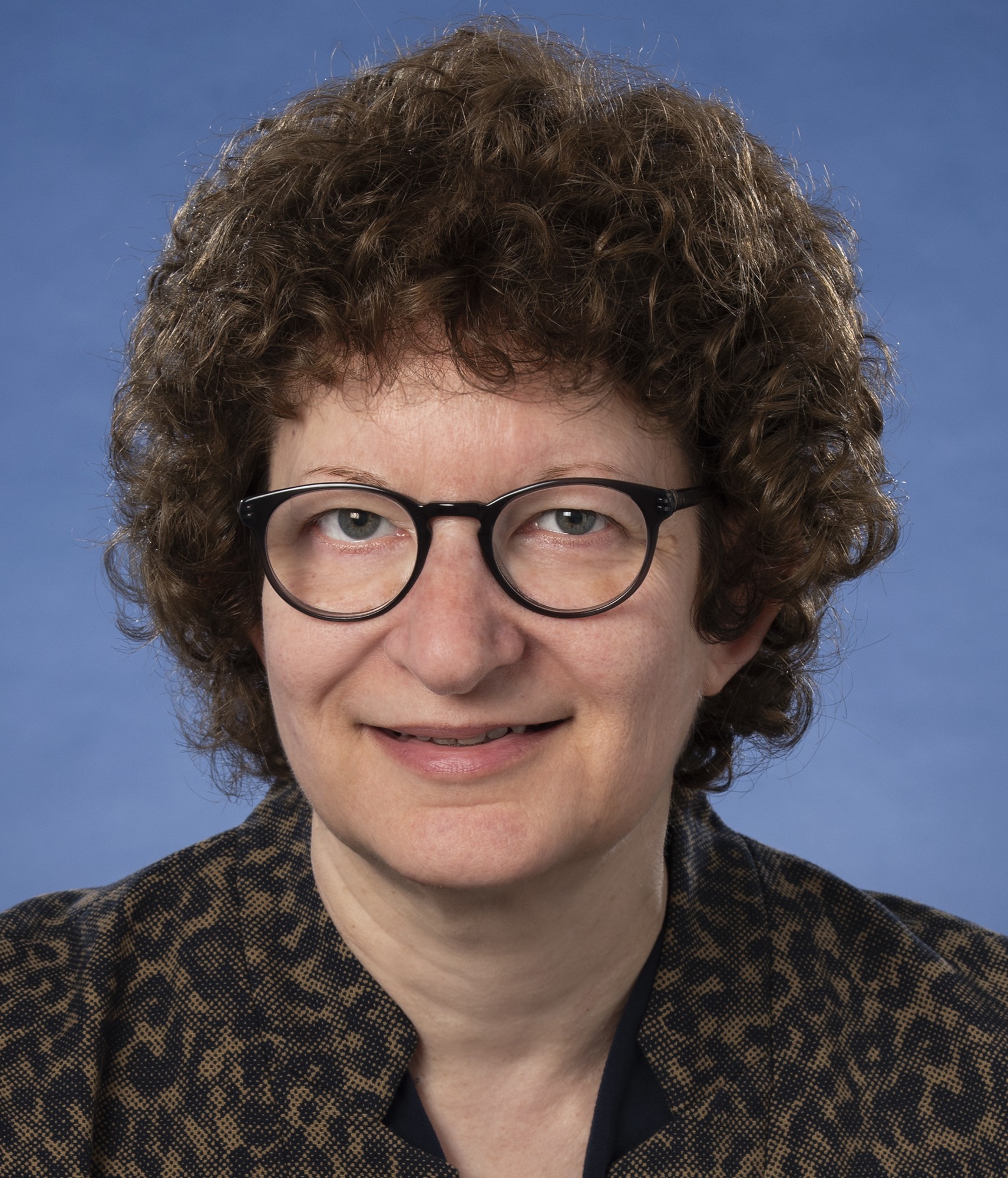
Karen Davis Ph.D., FCAHS, FRSC is the Canada Research Chair in Acute and Chronic Pain Research. She is a Senior Scientist and Division Head at the Krembil Brain Institute of the University Health Network and a Professor in the Department of Surgery and Institute of Medical Science at the University of Toronto. Dr. Davis obtained her PhD in Physiology at the University of Toronto and did a post-doctoral fellowship at Johns Hopkins University. Dr. Davis has pioneered electrophysiological and brain imaging approaches to investigate mechanisms underlying pain, delineate brain plasticity associated with chronic pain, individual factors and sex differences that contribute to pain sensitivity and chronic pain treatment outcomes. Her concept of a “dynamic pain connectome” is being used to understand mechanisms of pain and analgesia and identify neuromarkers to develop personalized approaches to pain management. She has over 225 publications, 34,000 + citations, and her H-index=98. Dr. Davis is also active in neuroethics and EDI (equity, diversity, and inclusion) initiatives, co-edited the book Pain Neuroethics and Bioethics, and co-published international guideline recommendations for the inclusion and study of sex and gender in research (Nature Neuroscience 2025). She is currently the Editor-in-Chief of PAIN, the flagship journal of the IASP.