
Q&A Panel Discussion
Part of Habituation: The Silent Killer of Neuromodulation Efficacy
Details
- Date
- Friday, January 22, 2027
- Time
- 7:45 AM – 7:55 AM
- Session type
- Breakfast Session
- Schedule
- See this day
About
This session will comprehensively examine habituation, currently the biggest problem facing neuromodulation. Defined as development of inadequate pain relief after acute success, despite appropriate stimulation coverage and that cannot be explained by a hardware-related issue, habituation is the leading cause of device explant. Habituation to neuromodulation interventions is not unique to pain disorders and occurs across other conditions such as tinnitus and movement disorder. This session will explore the various facets of habituation and its impact on neuromodulation interventions. Specifically, a deep dive into the history of habituation, its definition, incidence among different forms of spinal neuromodulation and its impact will be undertaken. Given its far reaching effects on various nervous system processes, its mechanisms will be explored including brain effects and impact on cranial neuromodulation interventions. Finally, best practice strategies to best manage habituation will be reviewed with a reference to future research directions.
Presenters
-
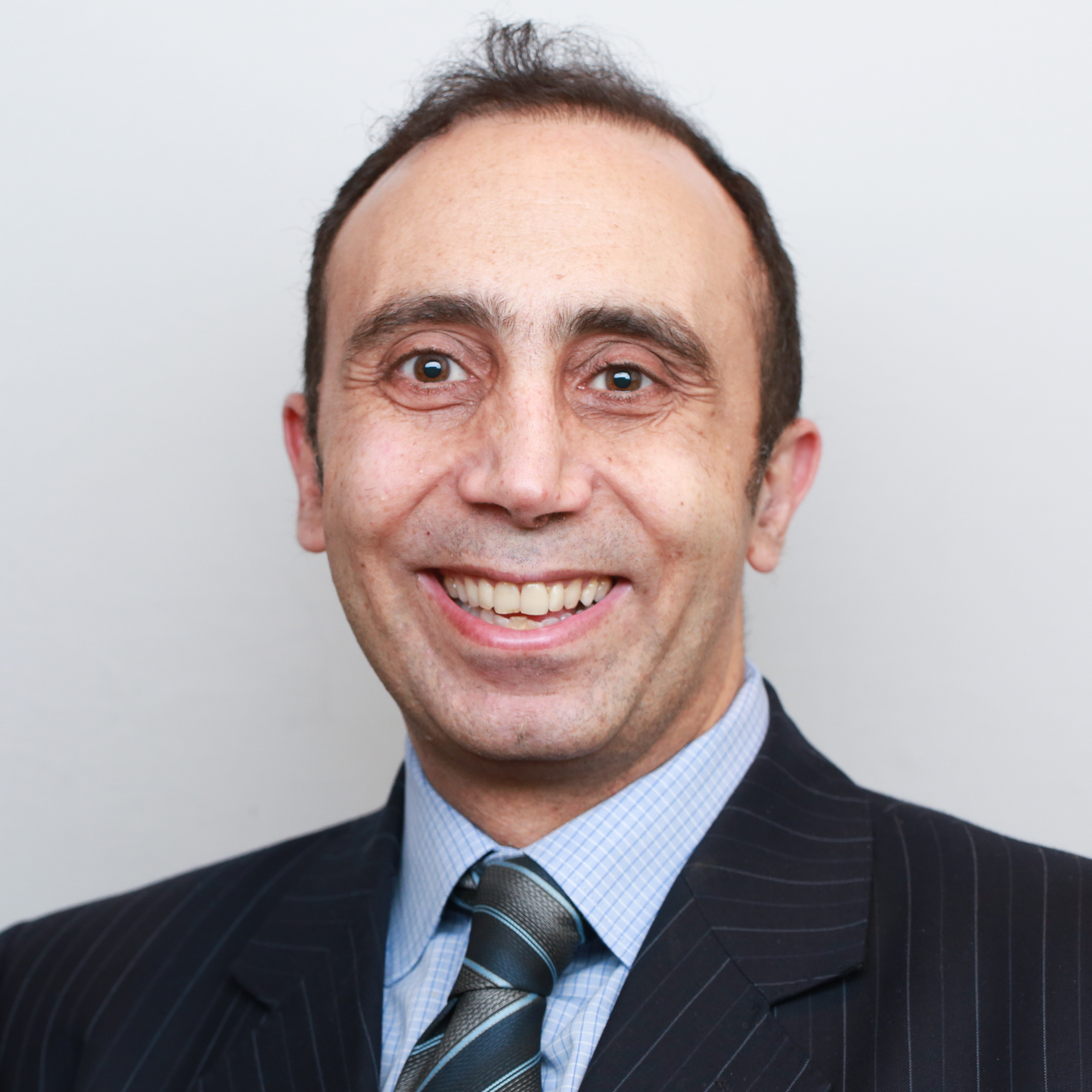
Salim Hayek, MD
Vice Chair for Clinical Research
Universiy Hospitals Cleveland Medical Center · Cleveland, Ohio
Dr. Hayek is currently the vice chair of clinical research and Professor in the Department of Anesthesiology at Case Western Reserve University and has served as the division chief of Pain Medicine at University Hospitals for 18 years. He obtained a BSc degree in Biology with Distinction at the American University of Beirut in 1987 and MD degree in 1991. Following a residency in Anesthesiology training at Henry Ford Hospital and University Hospitals of Cleveland, he completed a PhD in Cellular Physiology at Case Western Reserve University in 2000 and subsequently obtained fellowship training in Pain Medicine at the Cleveland Clinic Foundation. He remained on staff at that institution until 2006 when he became the chief of the division of Pain Medicine at University Hospitals and the program director for the Pain Medicine fellowship program. His research focuses on neuromodulation applications in pain management and in particular intrathecal drug delivery. He serves on the editorial board of a number of journals and is an executive editor for the journals Pain Medicine and Interventional Pain Management. He has had a number of service accomplishments including serving as President of the North American Neuromodulation Society (NANS) 2022-2023.
-
Salim Hayek, MD
Vice Chair for Clinical Research
Universiy Hospitals Cleveland Medical Center · Cleveland, Ohio
Dr. Hayek is currently the vice chair of clinical research and Professor in the Department of Anesthesiology at Case Western Reserve University and has served as the division chief of Pain Medicine at University Hospitals for 18 years. He obtained a BSc degree in Biology with Distinction at the American University of Beirut in 1987 and MD degree in 1991. Following a residency in Anesthesiology training at Henry Ford Hospital and University Hospitals of Cleveland, he completed a PhD in Cellular Physiology at Case Western Reserve University in 2000 and subsequently obtained fellowship training in Pain Medicine at the Cleveland Clinic Foundation. He remained on staff at that institution until 2006 when he became the chief of the division of Pain Medicine at University Hospitals and the program director for the Pain Medicine fellowship program. His research focuses on neuromodulation applications in pain management and in particular intrathecal drug delivery. He serves on the editorial board of a number of journals and is an executive editor for the journals Pain Medicine and Interventional Pain Management. He has had a number of service accomplishments including serving as President of the North American Neuromodulation Society (NANS) 2022-2023.
-
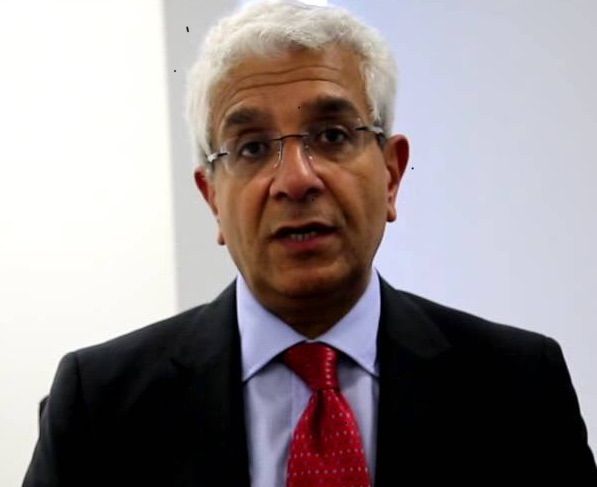
Sam Eldabe MB ChB, FRCA, FFPMRCA is a pain medicine consultant at The James Cook University Hospital, Middlesbrough, UK. He is an Honorary Professor of Pain Medicine at the Clinical Trials Unit of the University of Warwick. He heads the pain department at the Hôpital de Morges, Vaud, Switzerland, and divides his time between the UK and Switzerland.
Sam has practiced neuromodulation for more than 29 years, having founded the neuromodulation department at The James Cook Hospital. His neuromodulation work includes ITDD for cancer pain and spasticity, as well as neurostimulation for Chronic Pain, which led him to an interest in medication management, particularly opioid reduction.
He is interested in both the conduct of neuromodulation research and the critical analysis of neuromodulation manuscripts. He is the author of more than 150 manuscripts in pain management and neuromodulation. His current research interests include deprescribing opioids. He is Co-Chief Investigator of the I-WOTCH study published in JAMA in 2023. In 2023, Sam was named associate editor-in-chief for the Regional Anesthesia and Pain Medicine Journal. -
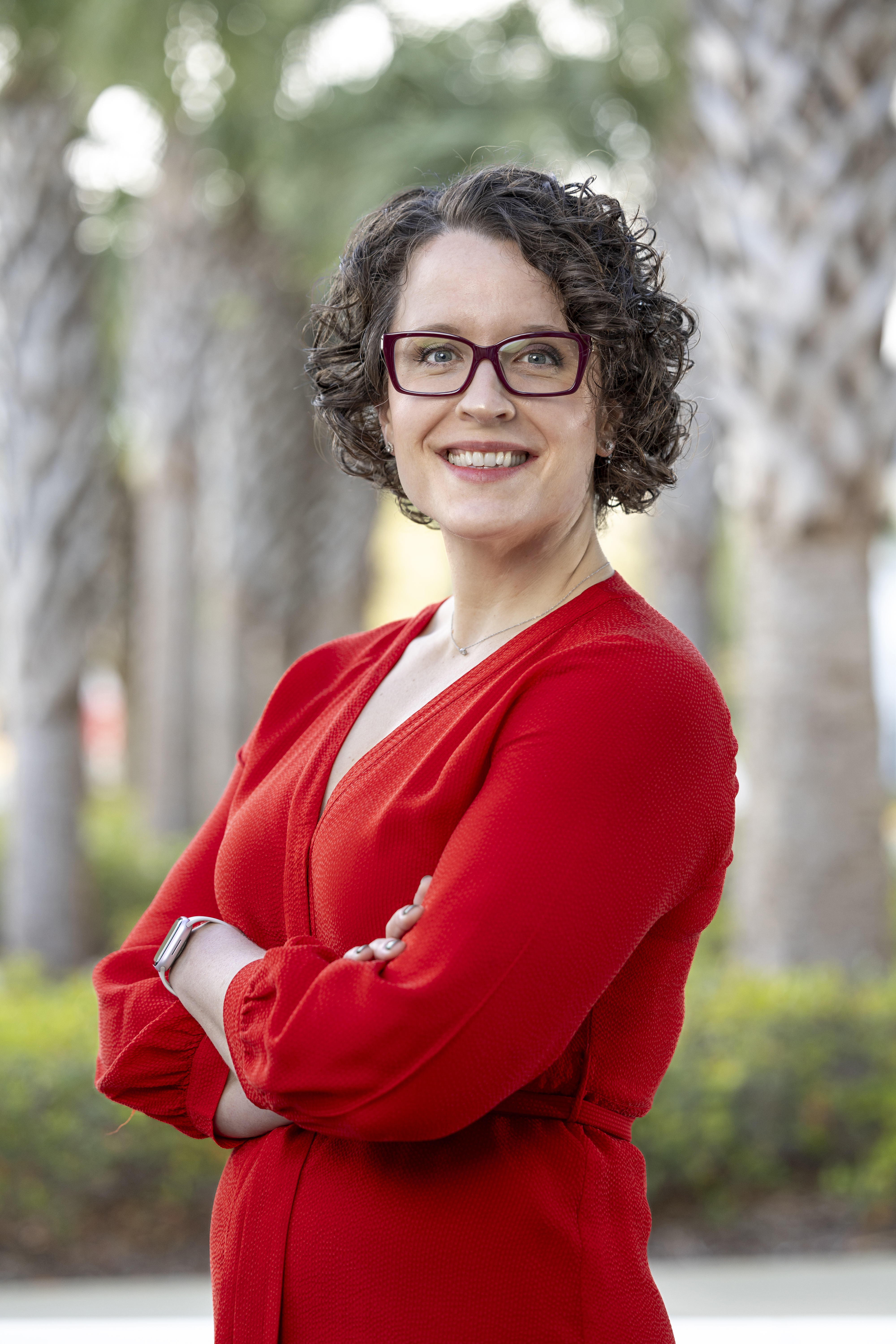
Dr. Hunt is an associate professor and the Vice Chair of Quality in the Department of Pain Medicine at Mayo Clinic in Florida. She is board-certified in Physical Medicine & Rehabilitation and Pain Medicine. Her practice consists of medical and interventional pain management, with particular clinical and research interests in neuromodulation, complex neuropathic pain including brachial plexus injury and spinal cord injury. She serves on the Board of Directors of NANS as a director-at-large, serves on the Guidelines Committee, co-chairs this meeting's Abstract Review Committee, and is director of the fellows' course.
-
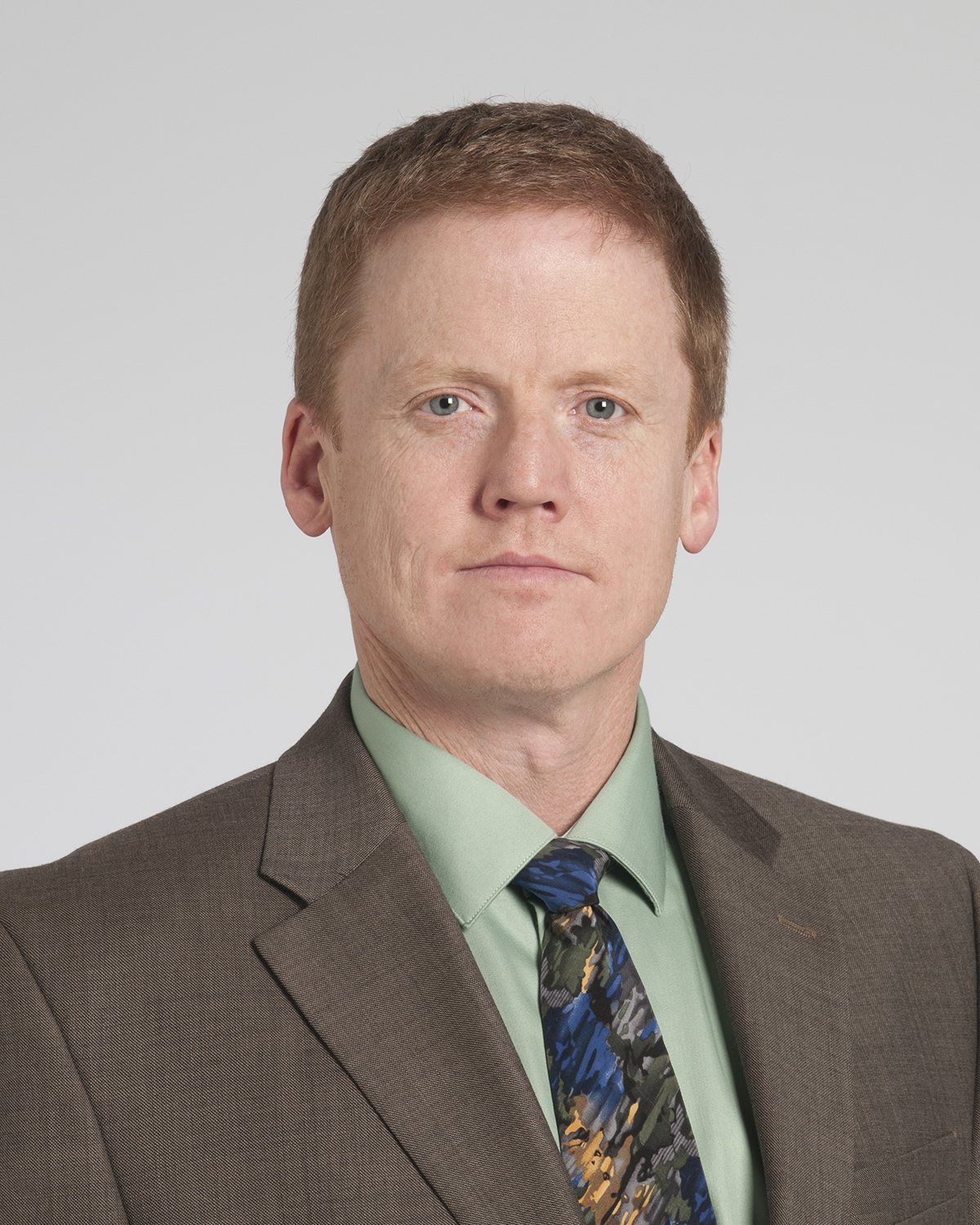
Kenneth Baker, Ph.D. is Associate Staff in the Department of Neurosciences at the Lerner Research Institute and holds a secondary appointment in the Center for Neurological Restoration within the Neurological Institute of the Cleveland Clinic. He is co-director of the Center of Excellence in Translational Therapies for Post-Stroke Rehabilitation at the Cleveland Clinic. Dr. Baker earned his Ph.D. at the University of Arizona followed by a fellowship in Movement Disorders Research in the Department of Neurology at the Cleveland Clinic. He has over twenty years of experience in deep brain stimulation, both clinically and through studies in preclinical laboratory models. His research interests emphasize the therapeutic application and mechanisms of neurostimulation-based approaches to neurologic and psychiatric disease, with a particular focus on the use of deep brain stimulation for the treatment of stroke, traumatic brain injury, and movement disorders. Current NIH-supported projects in his lab include preclinical work focused on 1) optimizing deep cerebellar stimulation to enhance chronic, post-stroke and post-traumatic brain injury rehabilitation and 2) developing and evaluating novel DBS targets and paradigms to enhance therapeutic outcomes for patients with movement disorders.