
Precision Intrathecal Therapy in Cancer Pain: Moving Beyond One-Size-Fits-All
Details
- Date
- Saturday, January 23, 2027
- Time
- 10:30 AM – 12:00 PM
- Session type
- Concurrent Session
- Track
- Spine
- Schedule
- See this day
About
Cancer-related pain is increasingly heterogeneous, reflecting a complex interplay of tumor burden, treatment-related injury, neuropathic mechanisms, and the growing population of cancer survivors living with chronic pain. Despite this complexity, intrathecal drug delivery strategies have traditionally relied on relatively uniform medication algorithms that may not fully address the diverse etiologies and mechanisms underlying cancer pain. In contrast, the management of non-malignant pain has increasingly embraced diagnosis-driven and mechanism-based approaches that tailor therapy to the underlying pathology and pain phenotype. A similar evolution may be needed in cancer pain care. This panel will explore the emerging concept of precision-oriented intrathecal therapy, emphasizing the importance of aligning medication selection, combination therapy, and dosing strategies with specific pain mechanisms, disease trajectories, and patient goals. Through case-based discussion and multidisciplinary perspectives, panelists will examine how intrathecal therapies can be individualized for complex cancer pain syndromes-including neuropathic injury, treatment-related toxicity, and mixed pain states-while addressing practical considerations such as titration strategies, survivorship care, and long-term device management. The discussion will also highlight current gaps in evidence and the need for focused research to better define mechanism-based intrathecal strategies in oncology populations. By reframing cancer pain management through a more etiology-driven and precision-based lens, this session aims to advance a more individualized and evidence-informed approach to intrathecal therapy in patients with cancer.
Presenters
-
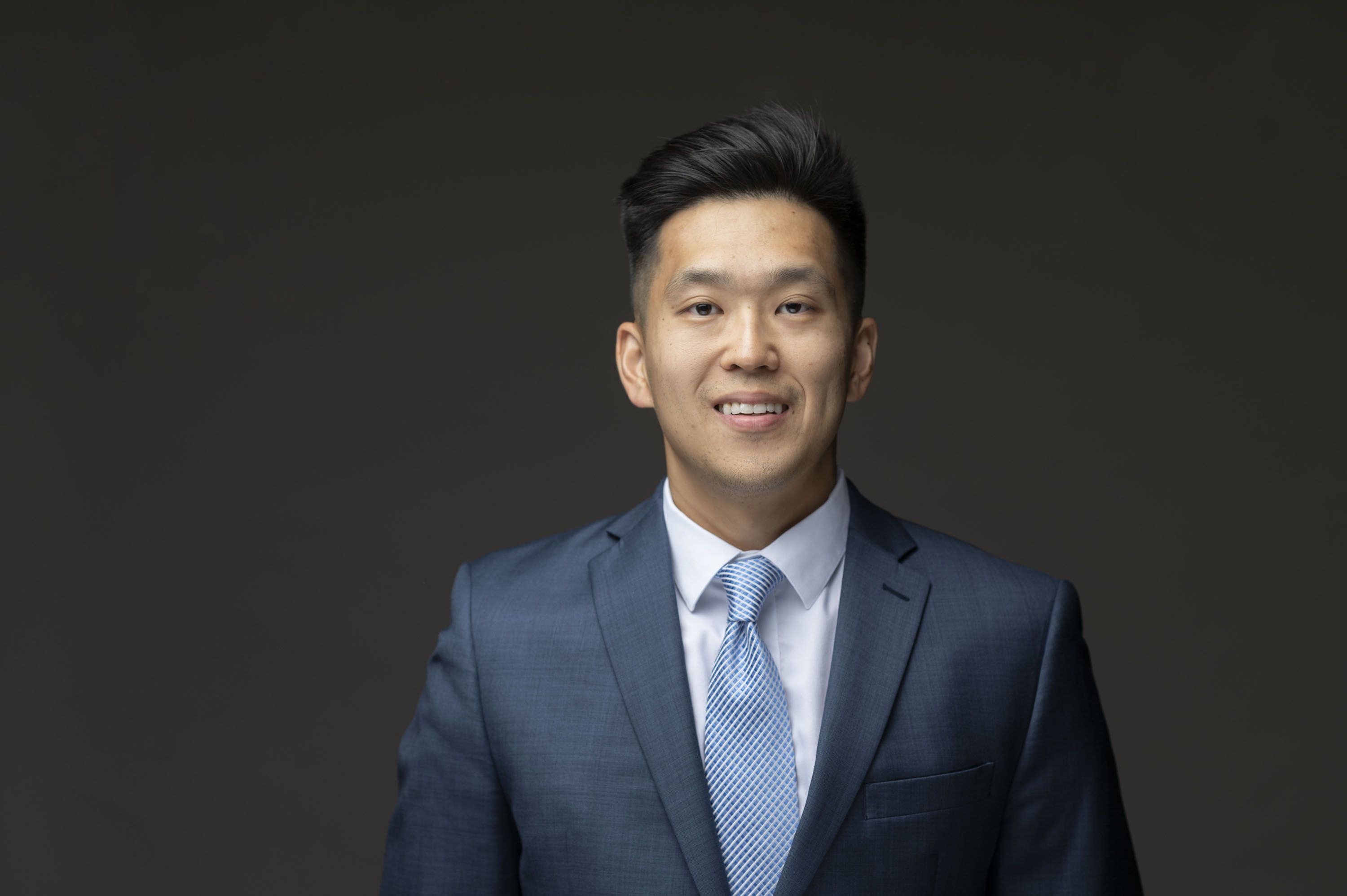
Matthew Chung, MD
Director, Interventional Pain Management
MD ANDERSON CANCER CENTER · HOUSTON, Texas
Dr. Chung is the director of the interventional pain management within the department of pain medicine at The University of Texas MD Anderson Cancer Center. He is the former chair of the NANS Young Neuromodulators Committee and is passionate for the growth and development of early career physicians into the expansive space of intrathecal pump delivery. His interests include cancer pain, education and neuromodulation.
-

Dr. Abdallah, President of APICO Pain Management. He completed his MD and PhD at the Medical University of South Carolina, his Anesthesia residency at Rush University in Chicago, and his Pain Medicine fellowship at the University of Pittsburgh. He is board certified in Anesthesiology and Pain Medicine. He served as faculty at Temple University Health and Chief of the Interventional Pain Division at the University of Vermont Health. He then transitioned to private practice.
Dr. Abdallah offers expertise in the treatment of headaches, back and neck pain, cancer pain, knee pain, abdominal pain, chronic post-surgical pain, fibromyalgia, industrial and accidental injuries, complex regional pain syndrome, and other complex pain syndromes. His interventional treatments span from simple spine injections to cutting edge therapies and implantable devices.
Dr. Abdallah is actively involved and serves as teaching faculty in the American Society of Regional Anesthesia and Pain Medicine, North American Neuromodulation Society, International Neuromodulation Society, World Academy of Pain Medicine United, among others. He is actively involved in pain research in the quest to advance pain therapies.
Dr. Abdallah strongly believes that every patient should be treated like a family member.
Presentations
-
Welcome
-
Highest Ranking Oral Abstracts
-
Unpacking Cancer Pain: Mechanisms, Phenotypes, and the Modern Oncology Patient
-
Mapping the Cancer Pain Trajectory: Identifying the Right Moment for Interventional Therapy
-
From Algorithm to Individualization: Aligning Intrathecal Therapy with Cancer Pain Mechanisms
-
Toward Precision Cancer Pain Medicine: Building the Evidence for Mechanism-Based Intrathecal Therapy
-
Closing Discussion