
Potential of Using AI to Make Sense of Data on Usage Patterns from SCS Programmers
Part of Guiding Precision Neuromodulation with Biomarkers: The Path to Personalized Therapy
Details
- Date
- Sunday, January 24, 2027
- Time
- 8:44 AM – 8:56 AM
- Session type
- Concurrent Session
- Schedule
- See this day
About
Neuromodulation therapies, including spinal cord stimulation, deep brain stimulation, and peripheral nerve stimulation, are increasingly used to treat pain and neurological disorders. However, outcomes remain variable, with some patients experiencing substantial benefit while others achieve limited or no improvement. There is a need for better tools to guide patient selection, therapy optimization, and outcome prediction. Biomarkers-objective biological indicators that reflect physiological or pathological processes-have the potential to transform the field by enabling more precise and personalized neuromodulation strategies. Speakers in this session will review neurophysiological markers such as evoked compound action potentials, neuroimaging signatures, electrophysiological signals including circadian rhythms and their impact on pain, and data from SCS programmers as well as wearable technology that may predict treatment response. The speakers will examine the strengths and limitations of existing evidence, as well as the challenges involved in translating biomarker discoveries from research settings into routine clinical practice. Ethical considerations, data integration, and the role of artificial intelligence in analyzing complex biomarker datasets will also be addressed. By highlighting both the promise and the challenges of biomarker-driven neuromodulation, this session aims to provide clinicians and researchers with a comprehensive overview of how objective biological signals may guide the evolution of neuromodulation therapies toward more personalized, precise, and effective treatments for pain and neurological disorders.
Presenters
-
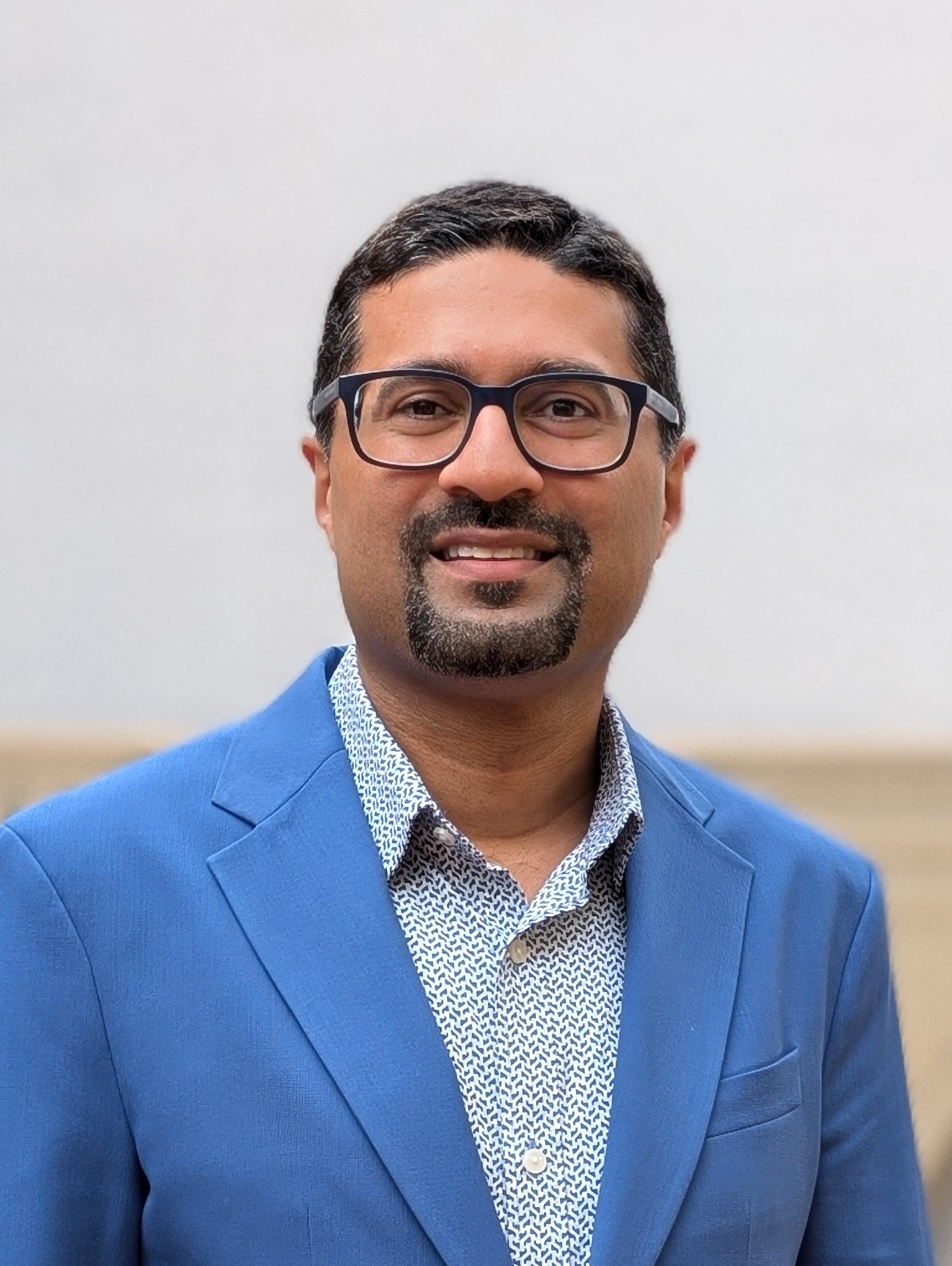
Dr. Usman Latif is a board-certified interventional pain specialist and Associate Professor at the University of Kansas Health System, where he built the Division of Advanced Analytics and Informatics. He completed Anesthesiology residency (Chief Resident) at Johns Hopkins Hospital, followed by an Interventional Pain fellowship at Harvard Medical School/Massachusetts General Hospital. Earlier, he trained in Internal Medicine at Wake Forest, served on faculty at Yale-New Haven Hospital, and led Phase I trials at Pfizer. He holds an MBA and later earned a certificate in Value-Based Healthcare Delivery from Harvard Business School.
Dr. Latif focuses on innovative applications of neuromodulation and minimally invasive spine procedures. He frequently lectures internationally, conducts clinical trials, and serves as an Associate Editor for Pain Practice. Extensively published, Dr. Latif engages in product development and has taken many products through studies to FDA approval.
Beyond medicine, Dr. Latif is a serial entrepreneur and co-founder of two data technology ventures specializing in deployment-ready machine learning solutions. He serves on the advisory board of most major companies in the pain field. He has also contributed to federal healthcare policy, testifying before the Pew Charitable Trusts on drug shortages and advising Congressional focus groups on the opioid crisis.
-
Dr. Usman Latif is a board-certified interventional pain specialist and Associate Professor at the University of Kansas Health System, where he built the Division of Advanced Analytics and Informatics. He completed Anesthesiology residency (Chief Resident) at Johns Hopkins Hospital, followed by an Interventional Pain fellowship at Harvard Medical School/Massachusetts General Hospital. Earlier, he trained in Internal Medicine at Wake Forest, served on faculty at Yale-New Haven Hospital, and led Phase I trials at Pfizer. He holds an MBA and later earned a certificate in Value-Based Healthcare Delivery from Harvard Business School.
Dr. Latif focuses on innovative applications of neuromodulation and minimally invasive spine procedures. He frequently lectures internationally, conducts clinical trials, and serves as an Associate Editor for Pain Practice. Extensively published, Dr. Latif engages in product development and has taken many products through studies to FDA approval.
Beyond medicine, Dr. Latif is a serial entrepreneur and co-founder of two data technology ventures specializing in deployment-ready machine learning solutions. He serves on the advisory board of most major companies in the pain field. He has also contributed to federal healthcare policy, testifying before the Pew Charitable Trusts on drug shortages and advising Congressional focus groups on the opioid crisis.