
Panel Discussion
Part of Peripheral Nerve Surgery and Neuromodulation: Interdisciplinary Approaches to Improve Outcomes
Details
- Date
- Sunday, January 24, 2027
- Time
- 10:20 AM – 11:20 AM
- Session type
- Panel Session
- Schedule
- See this day
About
Peripheral nerve pain remains one of the most undertreated and misunderstood conditions in medicine. Patients with entrapment neuropathies, neuromas, post-surgical nerve injuries, and refractory neuropathic pain syndromes frequently cycle through multiple specialties without a coordinated treatment plan - accumulating failed interventions, escalating opioid burdens, and diminishing quality of life. Optimal outcomes require fluency across disciplines that rarely share a common clinical language. This panel session unites experts in neurosurgery, plastic and reconstructive surgery, pain management, and peripheral neuromodulation researchers to present a unified framework for evaluating and treating complex peripheral nerve pain. Through case-based discussion and cross-specialty dialogue, panelists will address the full therapeutic continuum - from diagnostic nerve blocks and image-guided interventional procedures, to nerve decompression, neuroma excision with modern reconstructive techniques (targeted muscle reinnervation, regenerative peripheral nerve interfaces), and peripheral nerve stimulation - with emphasis on how and when to transition between modalities. Key topics will include: patient selection and workup across specialties; the role of peripheral nerve stimulation as both a diagnostic tool and durable therapy; surgical techniques to prevent and treat neuroma formation; perioperative neuromodulation strategies to facilitate opioid weaning; and recognizing when central sensitization and CRPS alter the treatment algorithm. This session is designed for clinicians across specialties who manage patients with chronic neuropathic pain and nerve injuries. Whether you approach nerve pain from the operating room, the procedure suite, or the clinic, this panel will provide practical, cross-disciplinary insights to improve patient selection, sequencing of care, and long-term outcomes for even the most refractory cases.
Presenters
-
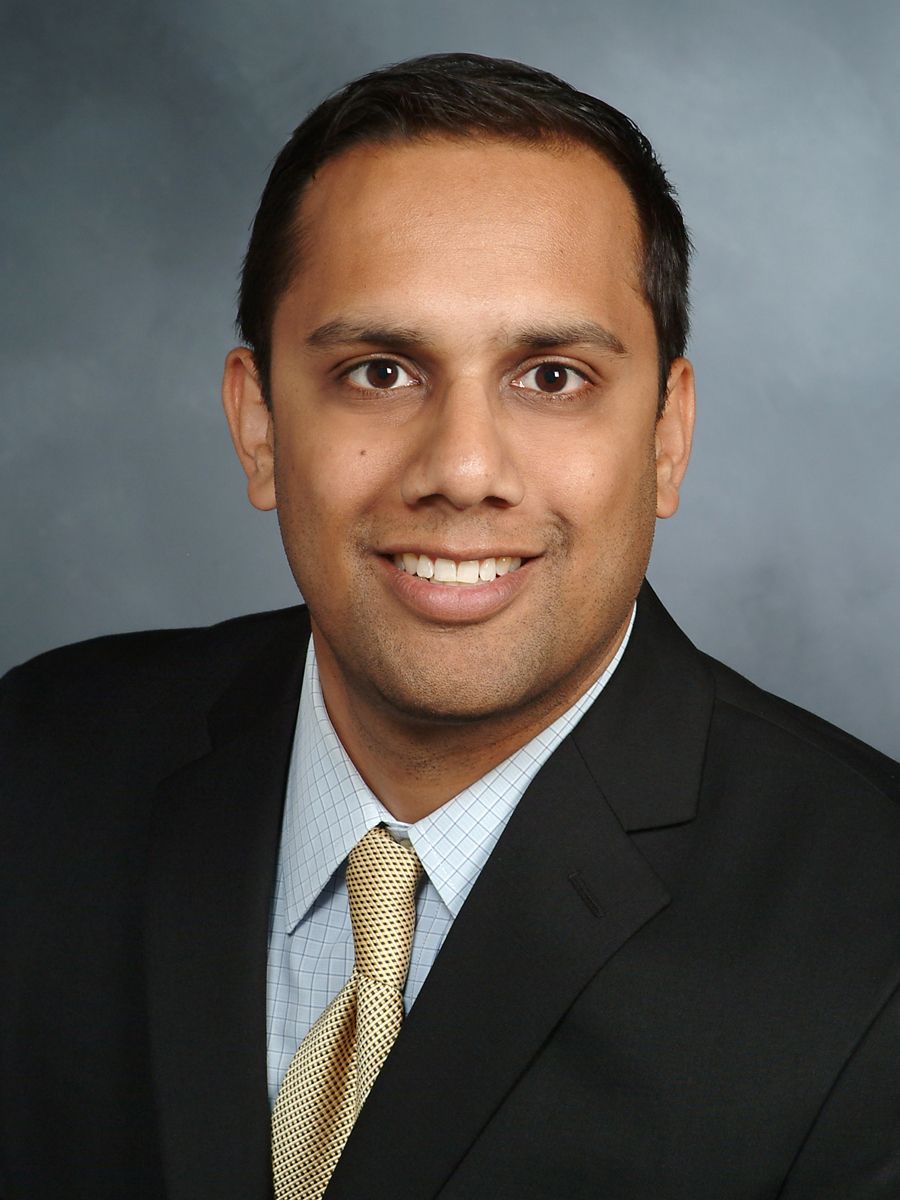
Neel D. Mehta, MD
Division Chief, Pain Management
Weill Cornell Medicine/NewYork-Presbyterian Hospital · Darien, Connecticut
Neel D. Mehta, M.D., is a Professor of Clinical Anesthesiology and Pain Management Specialist in New York City. He is Division Chief of Pain Management, and a Co-Director of the Och Spine Program at Weill Cornell Medicine. He is a Past President of the Eastern Pain Association and Secretary of the New York Society of Interventional Pain Physicians.
Dr. Mehta completed his fellowship in Interventional Pain Medicine in the Tri-Institutional Pain Medicine Fellowship at NewYork-Presbyterian Hospital/Weill Cornell Medical Center, Hospital for Special Surgery, and Memorial-Sloan Kettering Cancer Center.
-
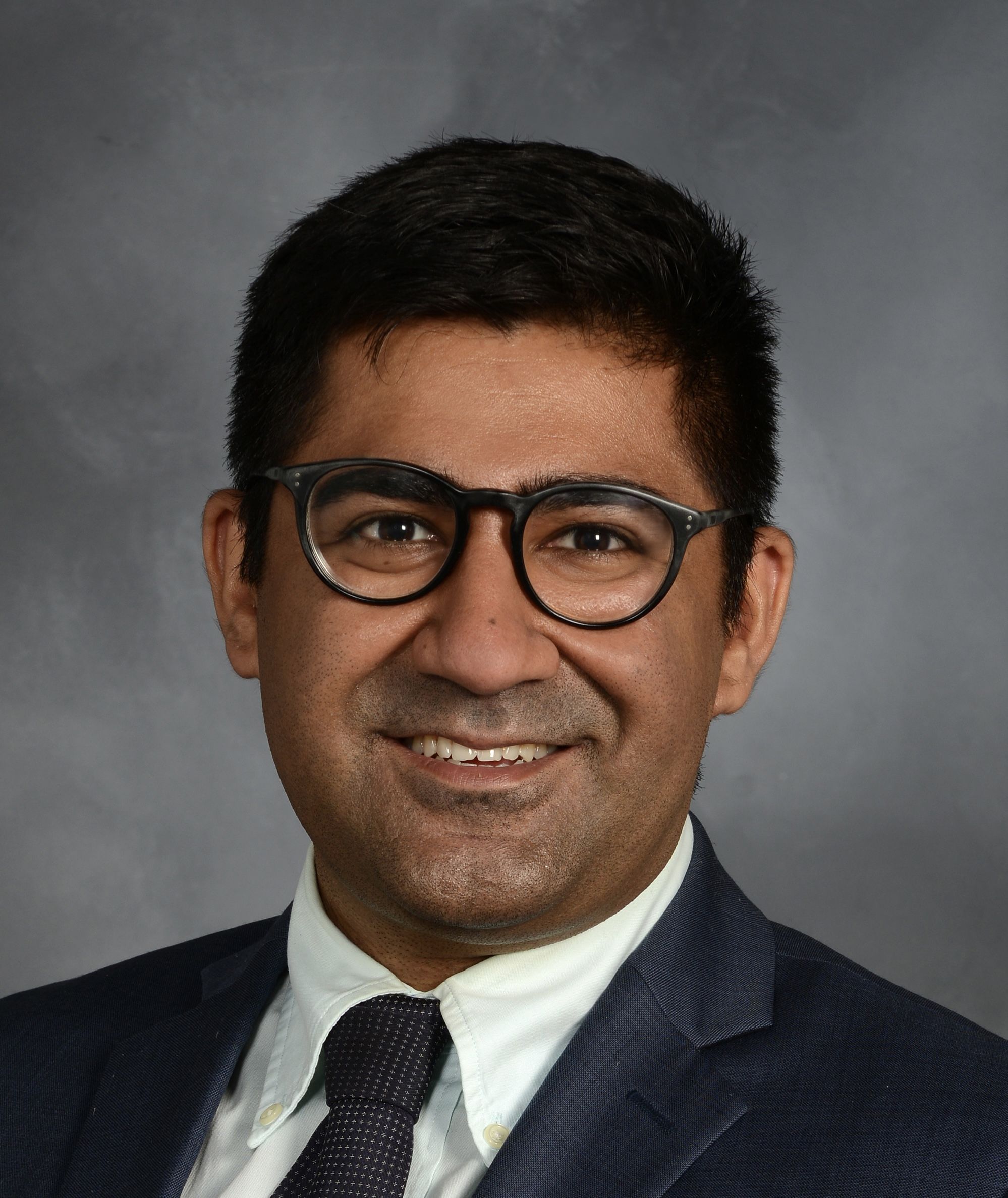
Rohan Jotwani MD, MBA is a board-certified Anesthesiologist and Pain Medicine specialist, practicing clinically within both fields.
Dr. Jotwani completed his residency in Anesthesiology across three hospitals: NewYork Presbyterian/Weill Cornell Medical Center, Hospital for Special Surgery and Memorial Sloan Kettering Cancer Center. He went on to finish his training by completing a Pain Medicine fellowship at Harvard Medical School/the Brigham and Women’s Hospital.
Dr. Jotwani’s research interests focus on tackling problems in the convergence of pain and perioperative medicine, healthcare delivery, organizational behavior and technology. His latest work involves looking at extended/virtual reality approaches to not only train the next generation of physicians. Finally, Dr. Jotwani is the current Editor-in-Chief of the Journal of Medical Extended Reality, and is the Nanette Laitman Endowded Scholar at Weill Cornell Medicine for the use of XR and AI in medical education.
-

Lisa Gfrerer, MD, PhD, FEBOPRAS, FACS is an Associate Professor of Surgery in the Division of Plastic and Reconstructive Surgery at Weill Cornell Medicine and NewYork-Presbyterian Hospital in New York City. She is a board-certified plastic surgeon specializing in peripheral nerve surgery, headache surgery, facial paralysis, and complex microsurgical reconstruction. She leads an NIH-funded research program focused on artificial intelligence, advanced imaging, and novel approaches to the diagnosis and treatment of peripheral nerve disorders. Dr. Gfrerer has serves in numerous national leadership roles dedicated to advancing peripheral nerve surgery, education, and innovation.
-
Mali Halac is a PhD candidate in bioengineering at Harvard University, where he works in the Biohybrid Organs and Neuroprosthetics (BIONICs) Lab under Prof. Shriya Srinivasan. He designs minimally invasive tools and navigation systems for peripheral nerve surgery, closed-loop peripheral nerve stimulation for pain and gastric motility disorders, and battery-free injectable closed-loop peripheral nerve stimulators. A large portion of his research focuses on developing machine learning methods to decode high-density peripheral nerve recordings that inform clinical diagnostics and drive closed-loop neurostimulation.
Mali received his Bachelor's in electrical engineering under the guidance of Professors Hasan Ayaz and Banu Onaral at Drexel University's Cognitive Neuroengineering and Quantitative Experimental Research (CONQUER) Lab. He was nominated for the 2021 Brain-Computer Interface (BCI) Award for the development of a neuroergonomic BCI with a custom augmented reality display targeting continuous at-home use for people living with ALS. His earlier work on neural decoding includes reconstruction of natural images from fMRI recordings of the human visual cortex, presented at the 2022 International Joint Conference on Neural Networks (IJCNN).
-
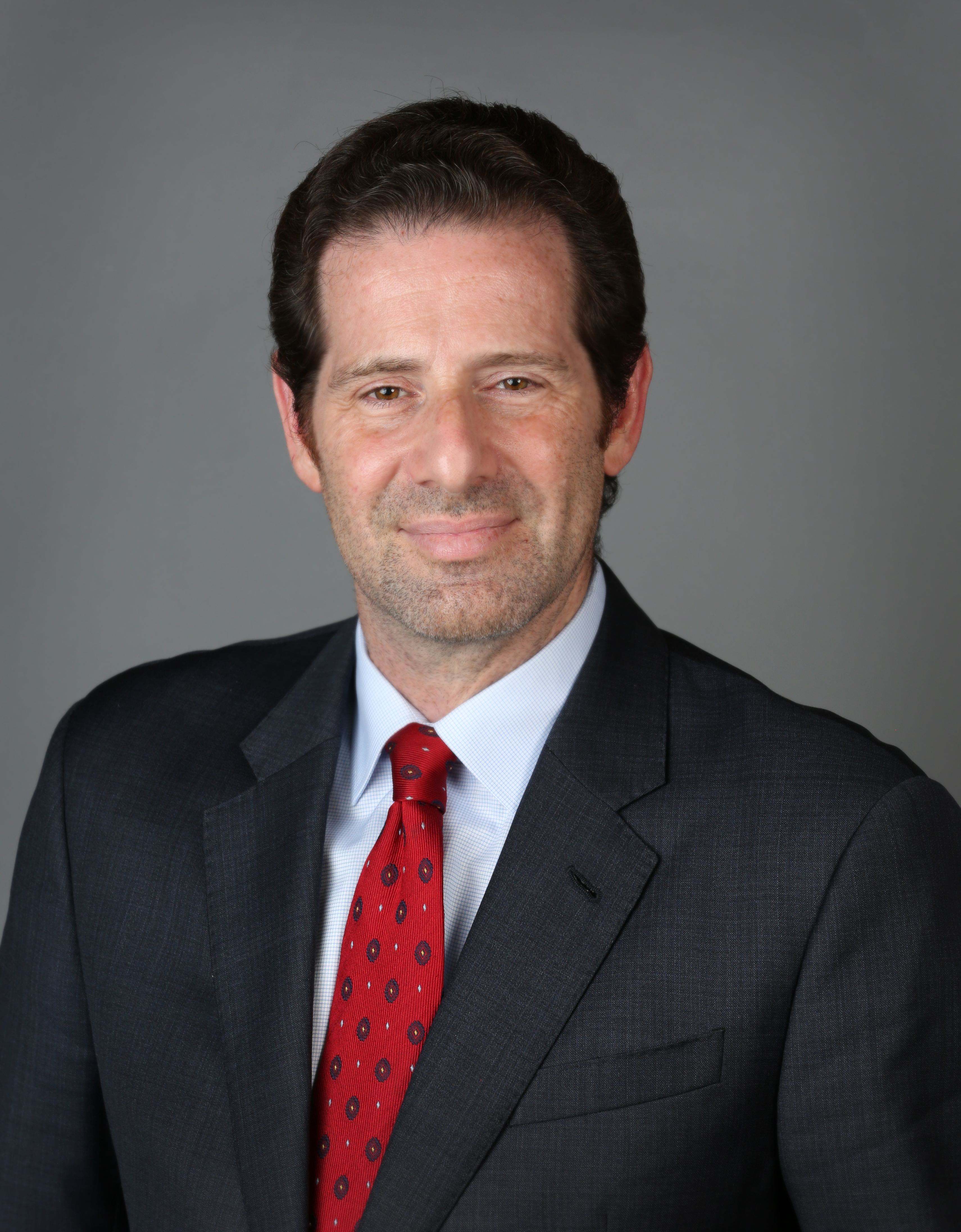
Michael Kaplitt, MD PhD
Cornell University · New York, New York