
Panel Discussion
Part of Chronotherapy in Neuromodulation the Importance of a Clock for Personalized Medicine, Device Optimization, and Adaptive and Closed-Loop Neurostimulation Strategies
Details
- Date
- Friday, January 22, 2027
- Time
- 10:50 AM – 11:50 AM
- Session type
- Panel Session
- Schedule
- See this day
About
This session explores how aligning neuromodulation therapies with individual circadian rhythms (chronotherapy), thus tailoring interventions based on a patient's chronotype, can enhance therapeutic outcomes. We will bring together experts in chronobiology, clinical neuromodulation, and implantable neurotechnology to present emerging evidence and discuss practical strategies for integrating circadian insights into neurotech applications. Attendees will gain a deeper understanding of how the timing of interventions-whether pharmacological or electrical, peripheral or central-can modulate neural function more effectively when synchronized with endogenous biological clocks. Discussions will include how to integrate circadian biomarkers into closed-loop systems, evidence for time-of-day effects in brain stimulation, and strategies to personalize therapy timing based on patient chronotypes. This session will catalyze innovation in timing-aware neuromodulation strategies.
Presenters
-
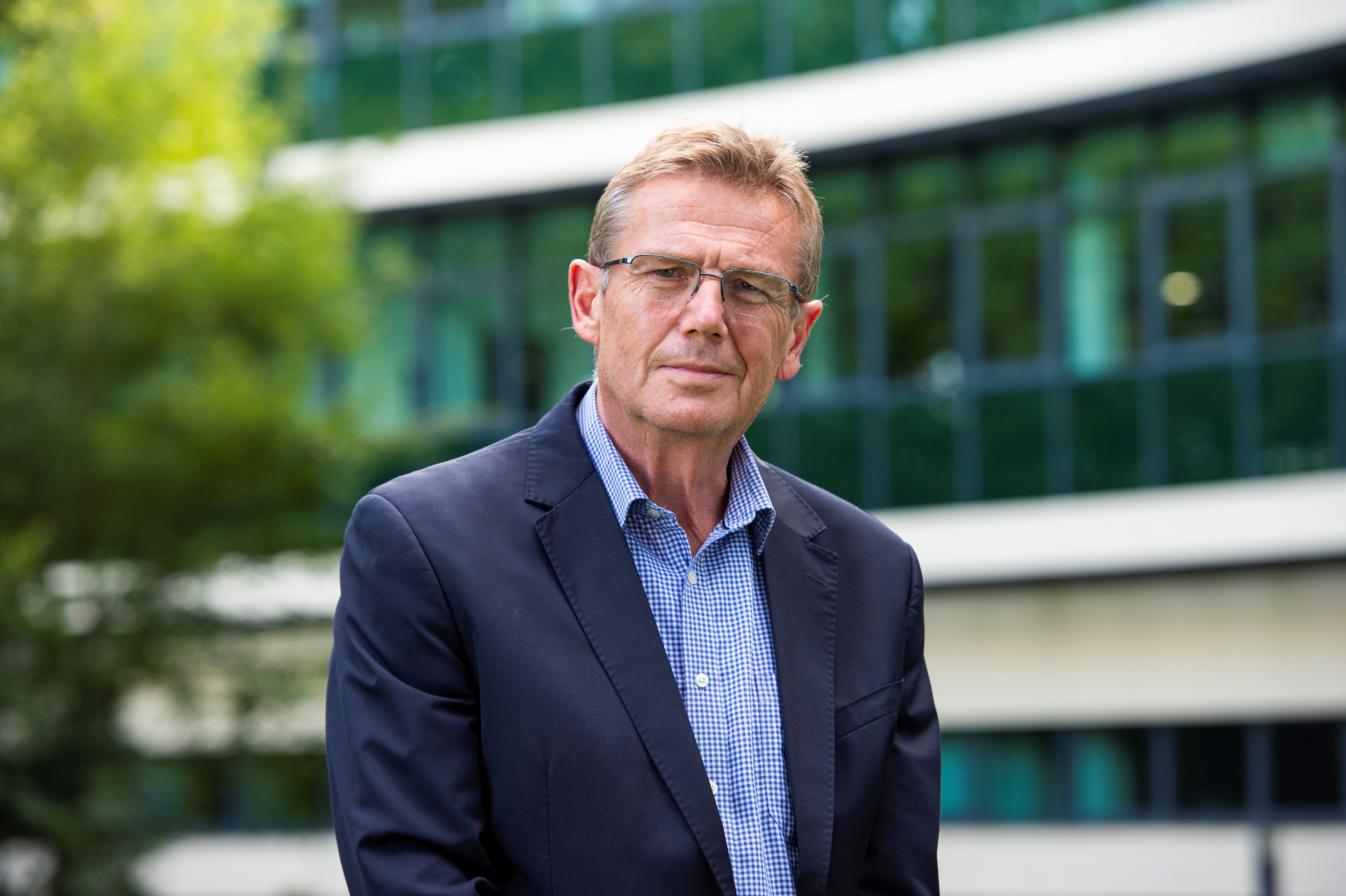
Derk-Jan DIjk, PhD, is Distinguished Professor of Sleep and Physiology and Director of the Surrey Sleep Research Centre at the University of Surrey. He is Group Leader for Improving Sleep and Circadian Disruption in the UK Dementia Research Institute.
Dr Dijk has more than 40 years of experience in clinical sleep research. His current research interests include: the interaction of sleep homeostasis and circadian rhythmicity in the regulation of sleep and cognition; identification of novel-biomarkers for susceptibility to the negative effects of sleep loss; sleep and circadian disruption in dementia, the validation and implementation of new technologies for monitoring sleep and circadian rhythms in dementia and the implementation of chronotherapies.
Dr Dijk has published more than 350 research and review papers in the area of sleep and circadian rhythms. Dr Dijk is invited frequently to speak at international sleep meetings. He has served as an Associate and Deputy Editor to SLEEP and Editor of the Journal of Sleep Research. He was a Royal Society-Wolfson Research Merit Award holder, a recipient of the Distinguished Scientist Award from the Sleep Research Society (USA) and a Fellow of the Academy of Medical Sciences. -
Gregory Worrell, MD/PhD
Mayo Clinic Rochester · Rochester, Minnesota
-
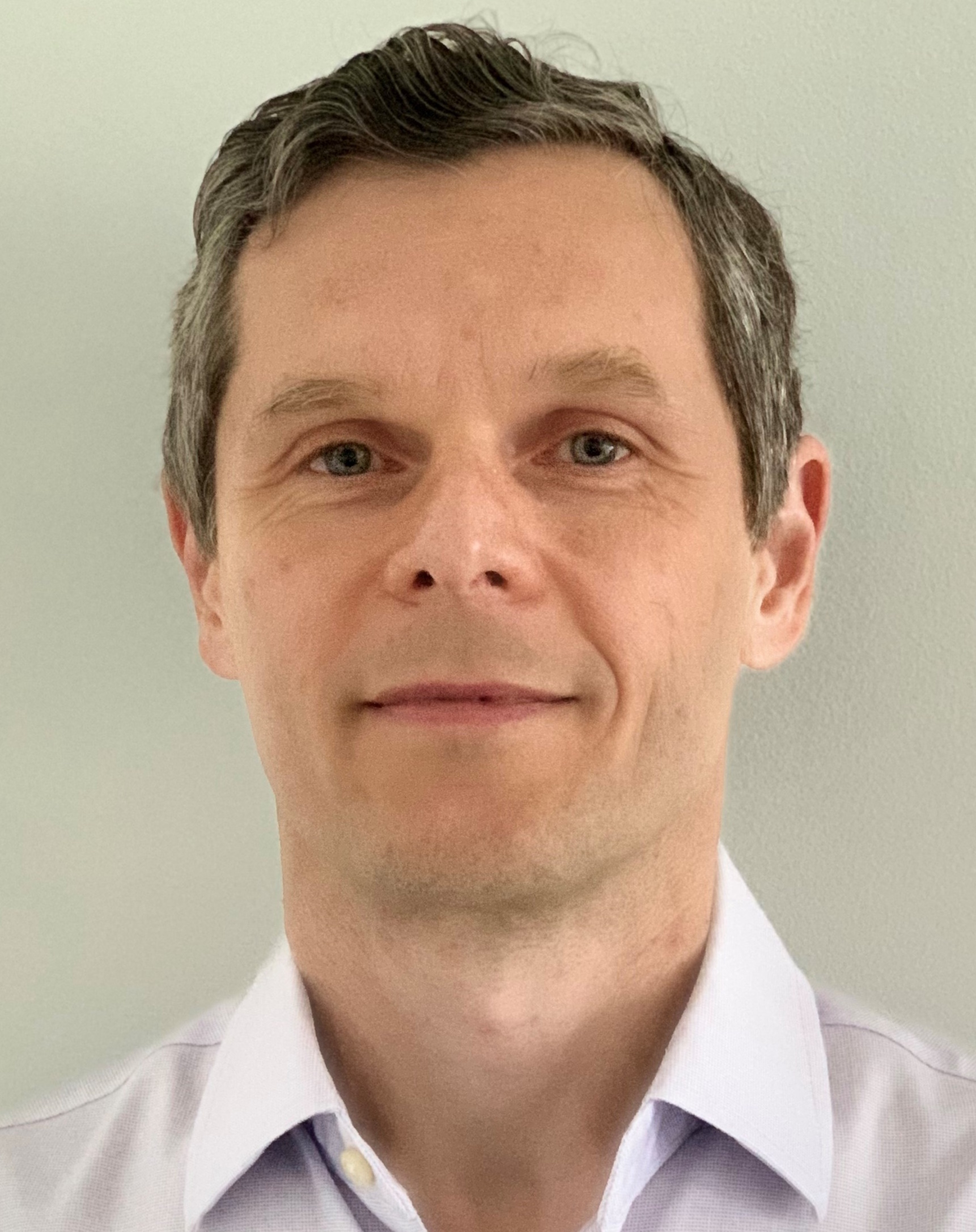
Victor Pikov is a CEO at Medipace Inc and a Vice President of Product Development at Transtimulation Research, two medical device companies developing implantable and wearable neuromodulation therapies for gastrointestinal diseases. Our device for treating irritable bowel syndrome has the FDA clearance, while other devices for treating inflammatory bowel disease, constipation, and functional dyspepsia are undergoing clinical studies. Victor previously worked at Galvani Bioelectronics and GlaxoSmithKline, co-leading the development of implantable neuromodulation devices for autoimmune and metabolic diseases, infertility, and overactive bladder. At the Huntington Medical Research Institutes, Victor developed implantable and wearable devices for chronic diseases, such as infertility, bladder paralysis, obstructive sleep apnea, and hearing loss. During post-doctoral work at California Institute of Technology, Victor developed optogenetic and radiofrequency methods of neuronal stimulation, including a microwave technology for non-invasive glucose measurement.
-
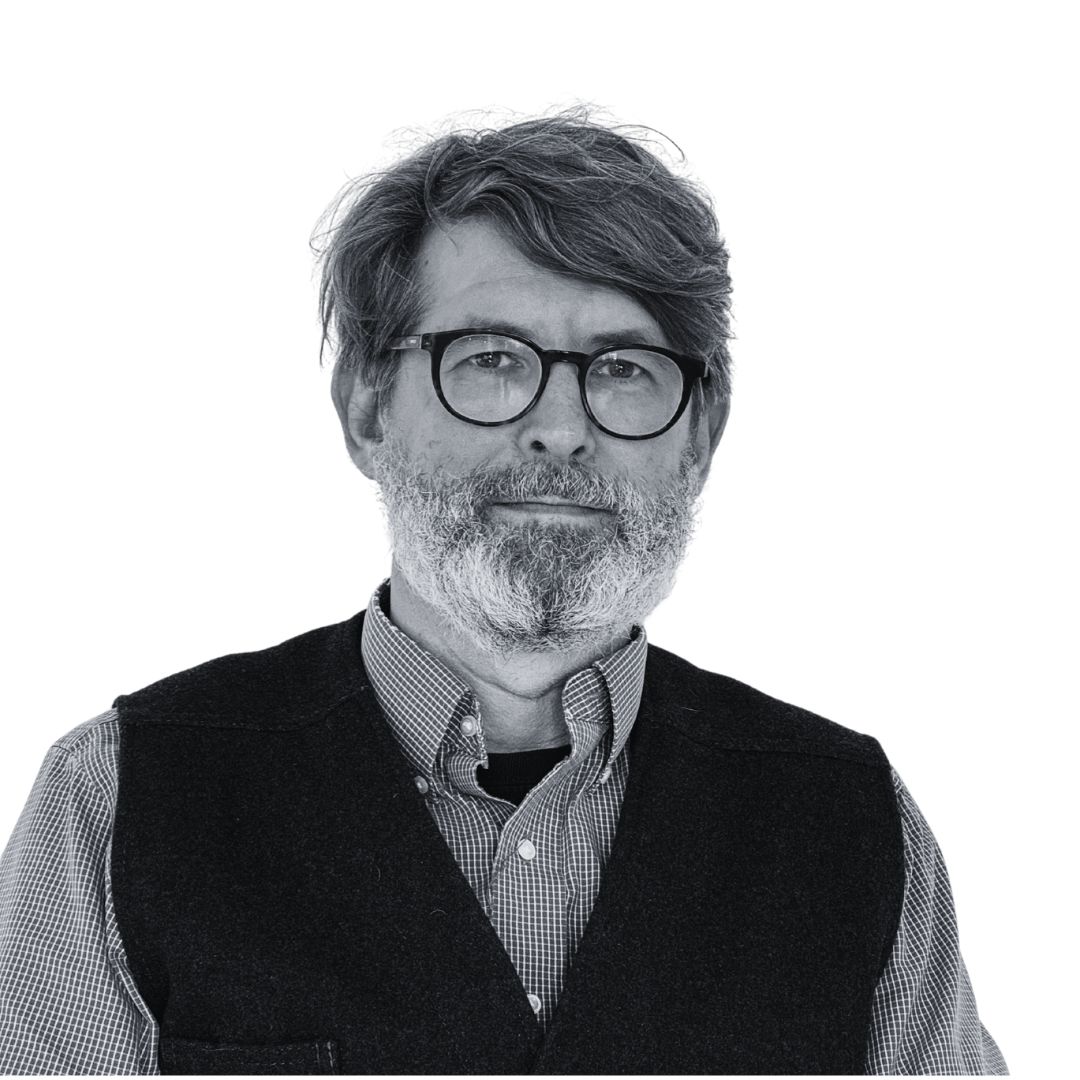
Tim Denison, PhD
Royal Academy of Engineering Chair in Emerging Technologies
Institute of Biomedical Engineering, University of Oxford · Oxford
Professor Denison holds a joint appointment in Engineering Science and Clinical Neurosciences at Oxford, where he explores the fundamentals of physiologic closed-loop systems. Tim also serves as an advisor to several governments and industry boards for translational medical devices; in particular, helping define strategies for mapping scientific discovery to product development roadmaps within the regulatory and economic constraints of medical systems. To support translation to the clinic, he is a director and chief engineer of Amber Therapeutics, which designs, manufactures, and distributes the Picostim-DyNeuMo investigational research system that is active in multiple first-in-human device trials. Prior to Oxford, Tim was a Technical and Bakken Fellow at Medtronic PLC and Vice President of Research & Core Technology for the Restorative Therapies Group, where he helped oversee the design of next generation neural interface and algorithm technologies for the treatment of chronic neurological disease. In 2015, he was elected to the College of Fellows for the American Institute of Medical and Biological Engineering (AIMBE), and in 2024, he was named a Fellow of the Royal Academy of Engineering. He has an MS and PhD from MIT in electrical engineering, an AB in Physics and MBA from the University of Chicago.
-
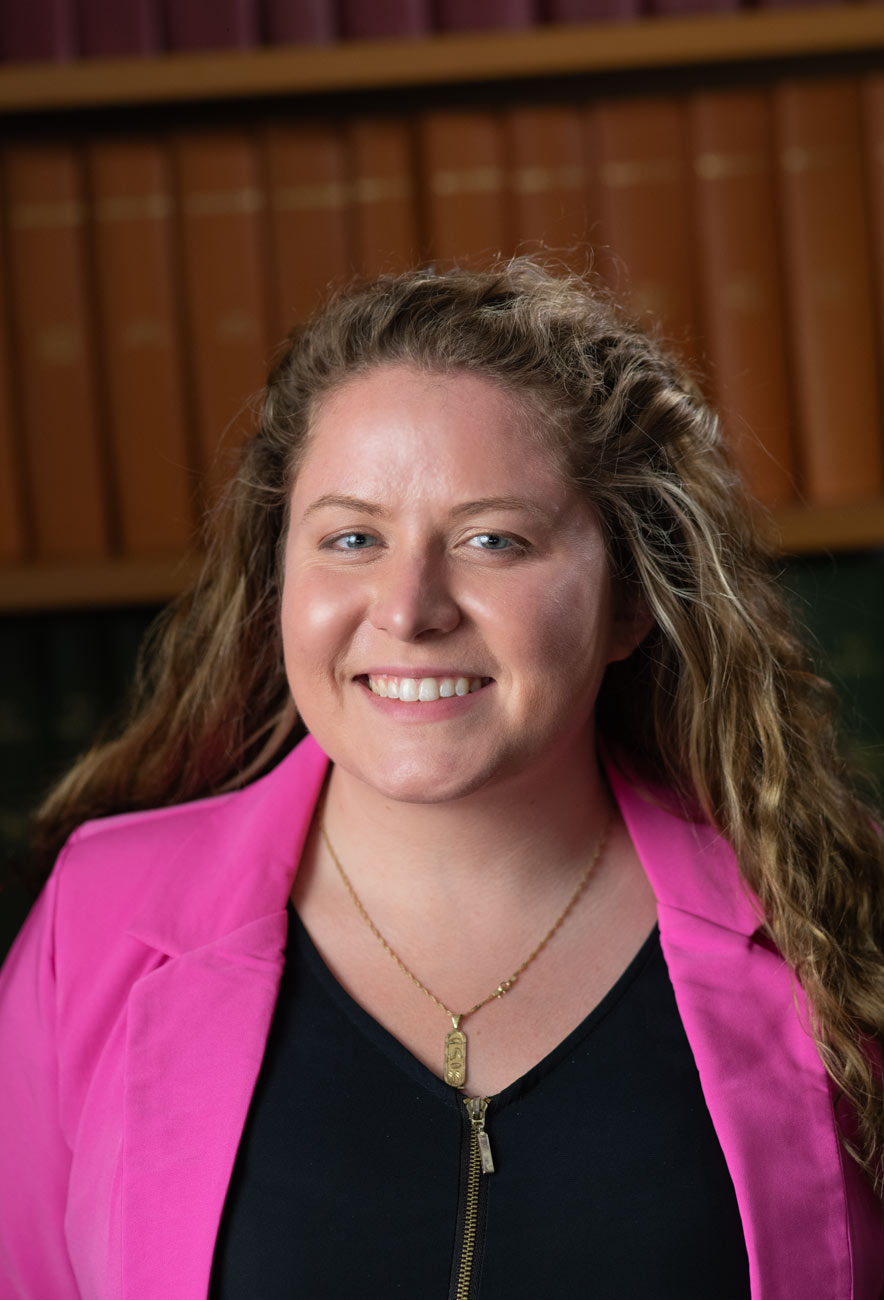
Dr. Victoria Marks a Post-Doc in the Translational Bioelectronics Lab at the University of Oxford, under the mentorship of Tim Denison. She received her PhD in Biomedical Sciences from the Mayo Clinic and BS in Biomedical Engineering from the University of Miami. She is fascinated by the interface of technology with medicine and physiology, particularly in the area of neural-engineering. She seeks to improve both the utility and usability of new technologies in this field.
-
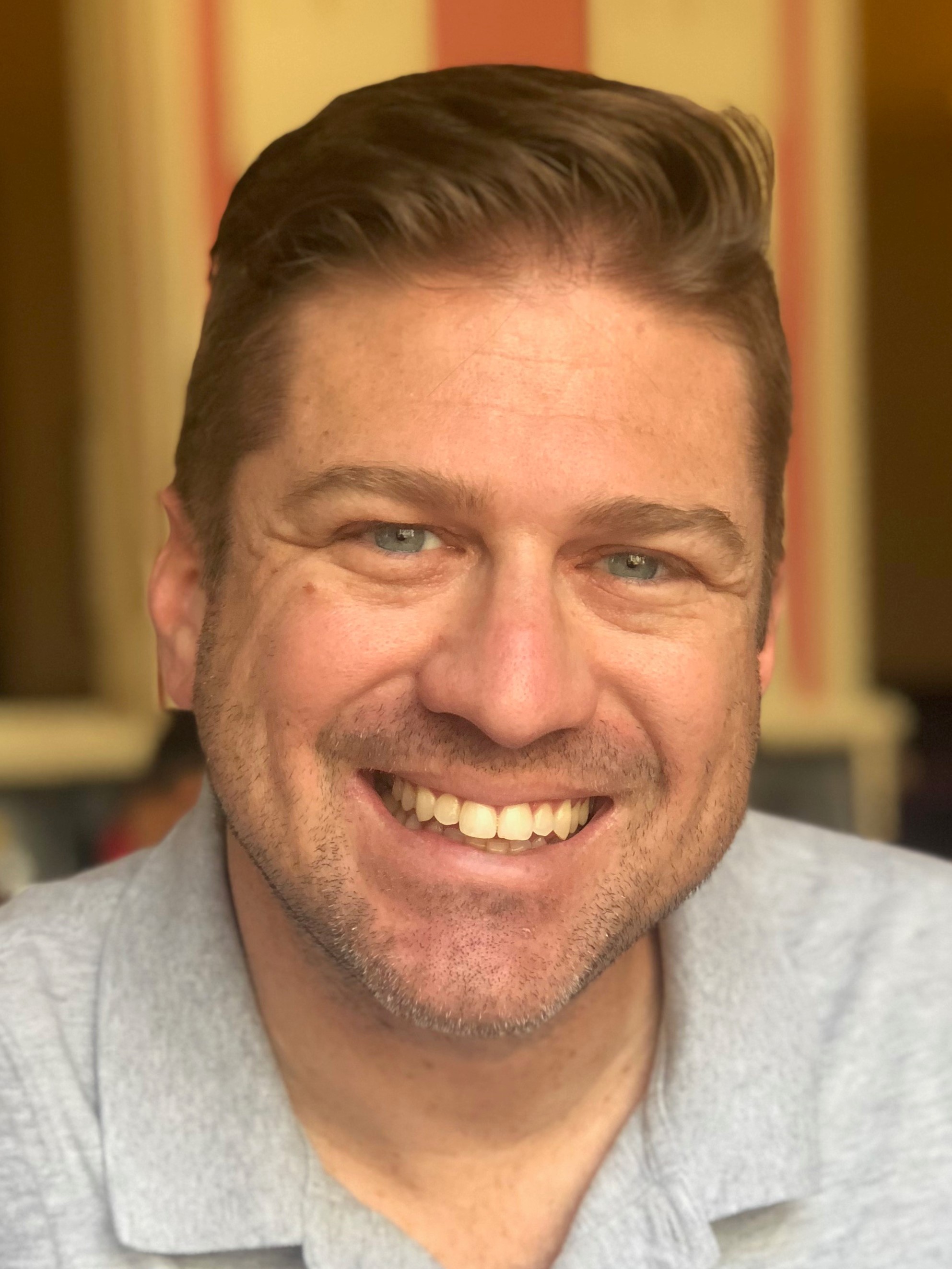
Dr. Brooks Gross is a Program Director in the Division of Translational Research at the National Institute of Neurological Disorders and Stroke (NINDS). Dr. Gross manages a portfolio of NINDS and BRAIN Initiative translational neural device projects in the areas of epilepsy, spinal cord injujry, and traumatic brain injury. He also co-leads the SPARC Human Open Research Neural Engineering Technologies (HORNET) Initiative. Dr. Gross received his B.S. in Neuroscience from the University of Florida, M.S.E. in Biomedical Engineering from the University of Michigan, and Ph.D. in Systems Engineering from Oakland University. His dissertation research focused on both AI to study chemical diffusion in the brain and the development of novel biosensors. Before joining the NIH, Dr. Gross led research and development in academic institutions and industry. As VP of R&D for a start-up medical device company, Dr. Gross brought non-invasive neuromodulation devices to market while maintaining FDA compliance. As faculty at the University of Michigan and UCLA, he studied the role of sleep in memory consolidation. Dr. Gross discovered asynchrony in sleep states, providing insight into the importance of timing of targeted therapies during sleep—such as closed-loop neuromodulation to treat abnormal memory consolidation in PTSD.