
From DBS to Network Neuromodulation: Model-Based Analysis of DBS for Movement Disorders
Part of Restorative Neuromodulation: Engineering the Future of Motor Recovery
Details
- Date
- Saturday, January 23, 2027
- Time
- 11:35 AM – 11:50 AM
- Session type
- Concurrent Session
- Schedule
- See this day
About
Neuromodulation is rapidly evolving from symptomatic treatment toward restorative neuroengineering approaches capable of re-engaging dormant neural circuits and restoring motor function. Emerging technologies including spinal stimulation platforms, brain spine interfaces, adaptive closed-loop systems, and neuroprosthetics are redefining the role of neuromodulation across multiple neurological conditions, including spinal cord injury, stroke, peripheral nerve injury, and movement disorders. This session will explore cutting-edge translational innovations that integrate neuroscience, engineering, and clinical neuromodulation to restore motor function.
Presenters
-
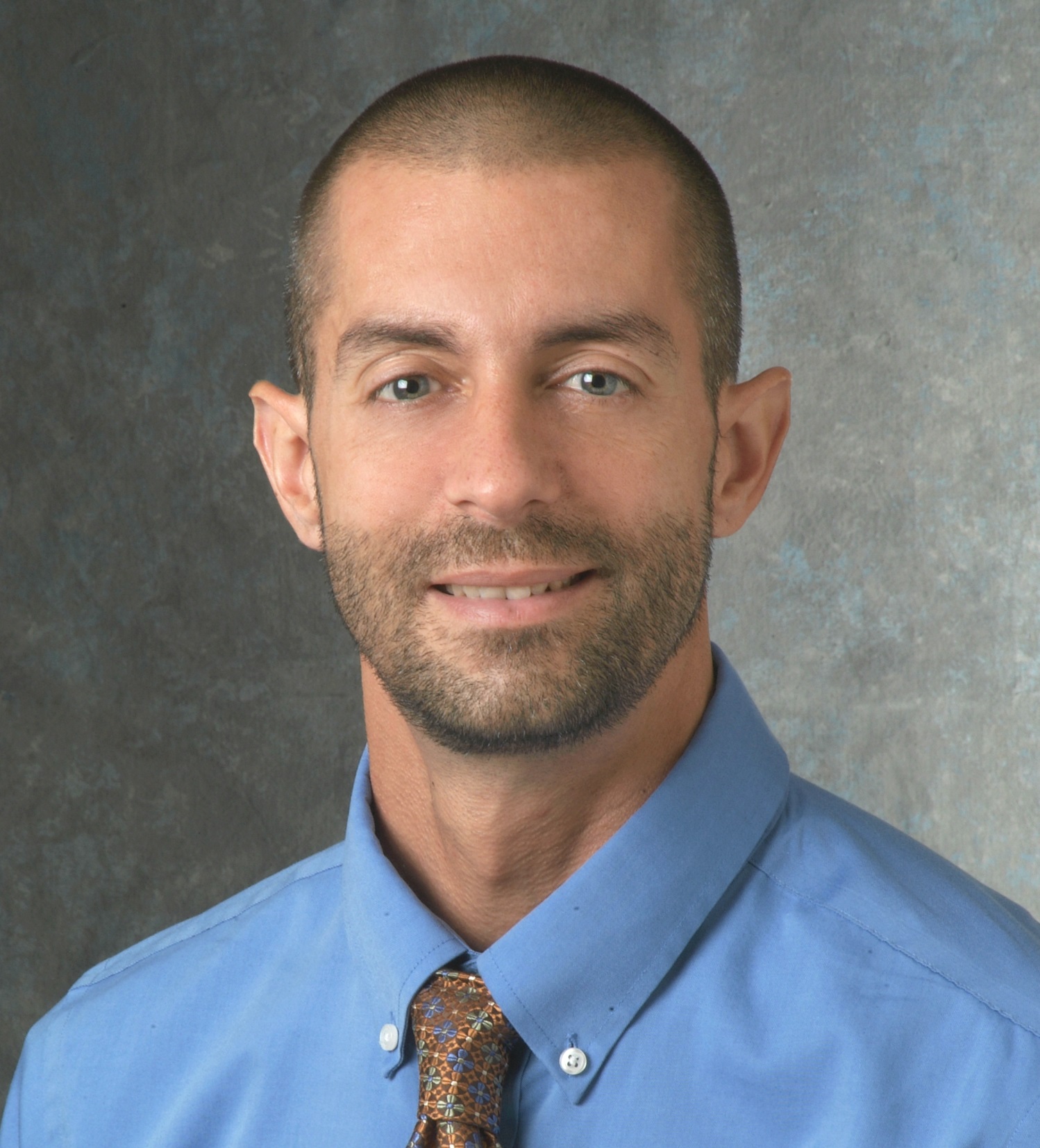
Cameron McIntyre is a Professor of Biomedical Engineering and Neurosurgery at Duke University. He received his BS and PhD in Biomedical Engineering from Case Western Reserve University (CWRU) in 1997 and 2001, respectively. His doctoral research studied the biophysics of neural stimulation, and he performed post-doctoral training in clinical deep brain stimulation (DBS) at Johns Hopkins University and Emory University. His independent research career started at the Cleveland Clinic in 2003. The lab moved to CWRU in 2013, and then transitioned to Duke in 2021. The special expertise of the group resides in the theoretical, experimental, and clinical application of neuromodulation and neurorecording technologies in human patients. In addition, they are well known for developing software tools that integrate advanced computational models with brain imaging data. Dr. McIntyre has lead 13 different National Institutes of Health (NIH) research grants and authored ~150 peer-reviewed research papers. Those scientific results have enabled him to co-found 4 successful neurotechnology companies.