
Conflicts of Interest in Neuromodulation: Transparency, Mitigation of Bias, and Trust
Part of Neuromodulation Unmasked: Navigating the Intersection of Quality, Bias, Ethics, and Fragility in the Current Literature
Details
- Date
- Saturday, January 23, 2027
- Time
- 7:20 AM – 7:35 AM
- Session type
- Breakfast Session
- Schedule
- See this day
About
This session will embark on a comprehensive exploration of critical dimensions in neuromodulation research. The session will take a deep dive into the methodological rigors of various study designs in the neuromodulation literature including RCTs, systematic reviews and meta-analyses, scoping reviews, as well as guidelines. We will specifically evaluate the quality of these study designs and how they measure up to standardized and validated reporting tools including PRISMA-ScR, AGREE, and RIGHT checklists. In relation to this, we will also assess compliance with reporting multidimensional outcomes in clinical trials, concordant with the IMMPACT guidelines. In addition, attendees will gain valuable insights into the intricacies of funding structures and conflicts of interest within randomized controlled trials and guidelines in neuromodulation. Due to the limitations in study design including lack of placebo-controlled trials, presence of industry bias, and other weaknesses, this panel will also unravel the complexities surrounding the design of an ideal, non-biased placebo-controlled randomized trial, addressing ethical considerations, feasibility challenges, funding dynamics, and the overarching impact on advancing neuromodulation research. Finally, we will explore the 'fragility' of data and the clinical significance derived from neuromodulation trials, offering a nuanced perspective on the robustness of evidence in this dynamic field. All talks within this plenary session have been inspired by current work, both current featured publications and upcoming research that is being submitted for publication. It is our hope that by outlining issues with the current landscape of neuromodulation in related to quality, bias, ethics, and fragility, we will motivate future higher-quality work that will have greater impact in advancing the field.
Presenters
-
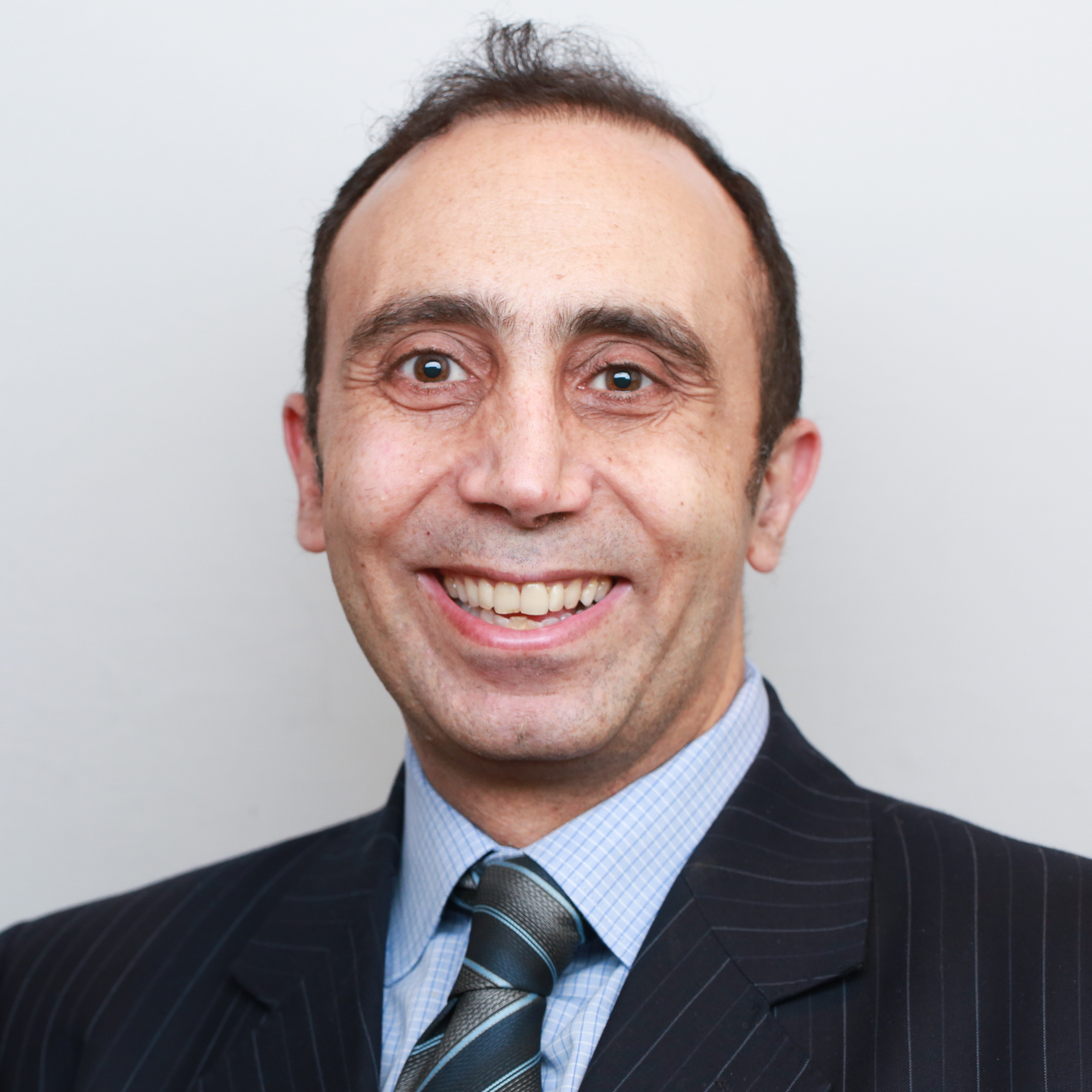
Salim Hayek, MD
Vice Chair for Clinical Research
Universiy Hospitals Cleveland Medical Center · Cleveland, Ohio
Dr. Hayek is currently the vice chair of clinical research and Professor in the Department of Anesthesiology at Case Western Reserve University and has served as the division chief of Pain Medicine at University Hospitals for 18 years. He obtained a BSc degree in Biology with Distinction at the American University of Beirut in 1987 and MD degree in 1991. Following a residency in Anesthesiology training at Henry Ford Hospital and University Hospitals of Cleveland, he completed a PhD in Cellular Physiology at Case Western Reserve University in 2000 and subsequently obtained fellowship training in Pain Medicine at the Cleveland Clinic Foundation. He remained on staff at that institution until 2006 when he became the chief of the division of Pain Medicine at University Hospitals and the program director for the Pain Medicine fellowship program. His research focuses on neuromodulation applications in pain management and in particular intrathecal drug delivery. He serves on the editorial board of a number of journals and is an executive editor for the journals Pain Medicine and Interventional Pain Management. He has had a number of service accomplishments including serving as President of the North American Neuromodulation Society (NANS) 2022-2023.
-
Salim Hayek, MD
Vice Chair for Clinical Research
Universiy Hospitals Cleveland Medical Center · Cleveland, Ohio
Dr. Hayek is currently the vice chair of clinical research and Professor in the Department of Anesthesiology at Case Western Reserve University and has served as the division chief of Pain Medicine at University Hospitals for 18 years. He obtained a BSc degree in Biology with Distinction at the American University of Beirut in 1987 and MD degree in 1991. Following a residency in Anesthesiology training at Henry Ford Hospital and University Hospitals of Cleveland, he completed a PhD in Cellular Physiology at Case Western Reserve University in 2000 and subsequently obtained fellowship training in Pain Medicine at the Cleveland Clinic Foundation. He remained on staff at that institution until 2006 when he became the chief of the division of Pain Medicine at University Hospitals and the program director for the Pain Medicine fellowship program. His research focuses on neuromodulation applications in pain management and in particular intrathecal drug delivery. He serves on the editorial board of a number of journals and is an executive editor for the journals Pain Medicine and Interventional Pain Management. He has had a number of service accomplishments including serving as President of the North American Neuromodulation Society (NANS) 2022-2023.