
Closing Discussion
Part of The Next Phase of Stroke Recovery: Implementing Neuromodulation Programs in Clinical Practice
Details
- Date
- Saturday, January 23, 2027
- Time
- 5:20 PM – 5:30 PM
- Session type
- Panel Session
- Schedule
- See this day
About
Stroke neuromodulation is rapidly transitioning from investigational research to clinical implementation. Building on prior discussions focused on translation from bench to bedside during the NANS 2026, this session will address the next critical phase: operationalizing and scaling neuromodulation programs within real-world health systems. Paired vagus nerve stimulation (VNS), the first FDA-approved neuromodulation therapy for chronic stroke recovery, has established a clinical model of activity-dependent neuroplasticity. As adoption expands, health systems face new challenges related to program standardization, referral optimization, multidisciplinary workflow integration, reimbursement pathways, and sustainable program growth beyond early academic centers. Although paired VNS currently represents the only FDA-approved neuromodulation therapy for stroke rehabilitation, additional approaches-including deep brain stimulation (DBS), spinal cord stimulation (SCS), and noninvasive brain stimulation modalities such as transcranial magnetic stimulation (TMS) and transcranial direct current stimulation (tDCS)-remain under active investigation and may shape future clinical programs. This session will emphasize practical implementation strategies and program development. Faculty will share early and maturing adoption experiences, outline operational frameworks for building scalable neuromodulation programs, and discuss emerging technologies and indications within the evolving stroke recovery landscape. Through multidisciplinary perspectives and panel discussion, the session will highlight pathways from early implementation to standardized clinical infrastructure.
Presenters
-
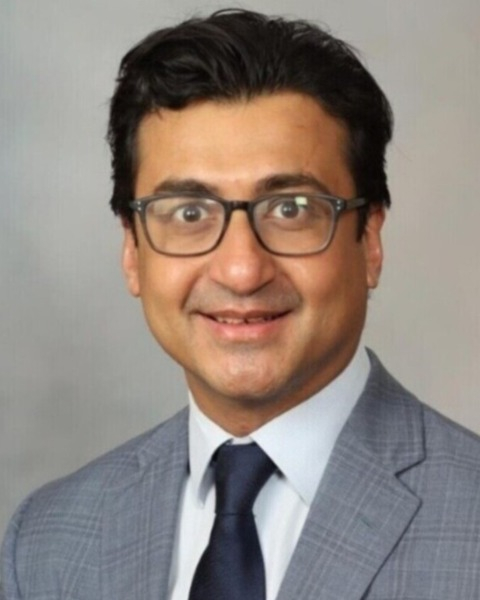
Muhib Khan, M.B.B.S., M.D., RPNI, is an Associate Professor of Neurology in the Division of Cerebrovascular Diseases, Department of Neurology at Mayo Clinic. Dr. Khan serves as the Director of the Neurosonology Laboratory and leads the neuromodulation for stroke recovery clinic at Mayo Clinic. He received his Bachelor of Medicine and Bachelor of Surgery (MBBS) degree from Aga Khan University in Karachi, Pakistan in 2005. He completed an internship and research associate training at Aga Khan University, Karachi, Pakistan. He completed his neurology residency at Henry Ford Hospital in Detroit, MI from 2008-2012 and vascular neurology fellowship at the University of Massachusetts. Prior to joining Mayo Clinic, Dr. Khan served as a faculty at Brown University and Michigan State University. Dr. Khan's clinical practice and research interests include biomarkers for stroke recovery, neuromodulation to enhance post stroke recovery, use of transcranial doppler in the evaluation of stroke etiology and geographical disparities of stroke care.
-
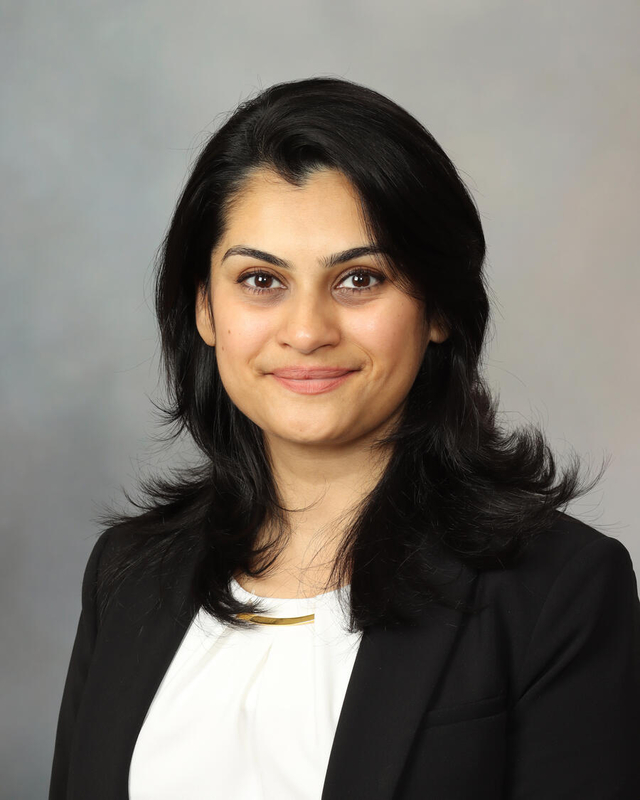
Rushna Ali, MD, is a board-certified neurosurgeon with expertise in all salient aspects of stereotactic and functional neurosurgery. This includes advanced surgical treatments to treat chronic and cancer-related pain, facial pain and other neuralgias, movement disorders, stroke rehabilitation and recovery, as well as surgical management of epilepsy. Dr. Ali earned her medical degree from Aga Khan University Medical College in Karachi, Pakistan. She completed neurosurgery residency at Henry Ford Hospital in Detroit and her Stereotactic, Functional, Pain and Epilepsy surgery fellowship at Vanderbilt University in Nashville, Tennessee. She is an Associate Professor of Neurological Surgery at Mayo Clinic, Rochester.