
Closed‑Loop and Adaptive Neuromodulation for Psychiatric Disorders
Part of Cerebral Neuromodulation for Emerging Indications
Details
- Date
- Sunday, January 24, 2027
- Time
- 10:35 AM – 10:50 AM
- Session type
- Concurrent Session
- Schedule
- See this day
About
This session will review advances in cerebral neuromodulation for PTSD, OCD, major depression, and obesity, highlighting target selection, stimulation strategies, biomarkers of response, and clinical outcomes. Leading clinicians and investigators will discuss translational evidence, ongoing trials, and practical considerations for integrating neuromodulation into multidisciplinary care.
Presenters
-
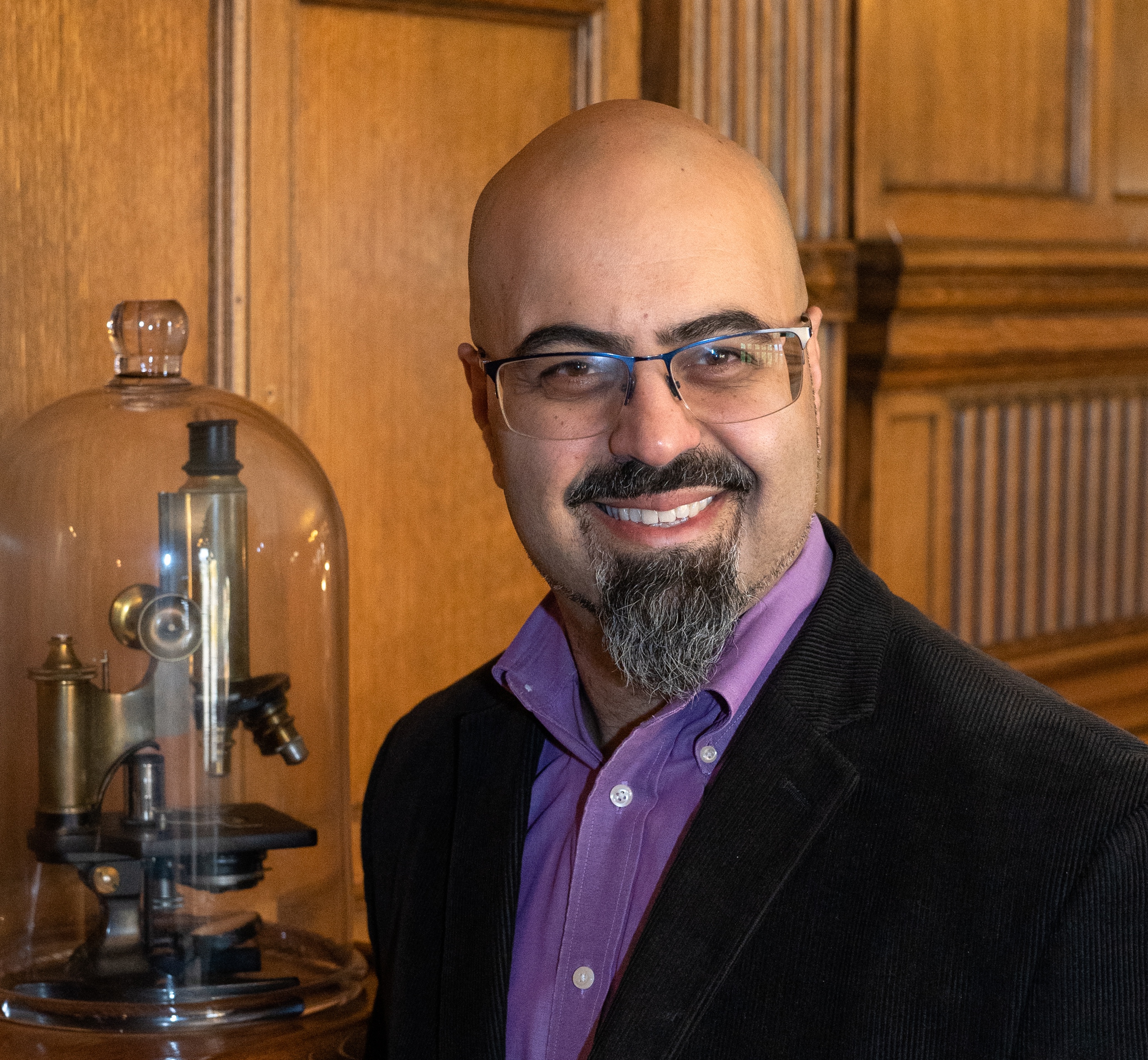
Alik S. Widge, MD, PhD
Associate Professor
University of Minnesota · Minneapolis, Minnesota
Alik Widge, MD, PhD is a brain stimulation psychiatrist and biomedical engineer. He is an Associate Professor of Psychiatry at the University of Minnesota, where he directs the Translational NeuroEngineering Lab. Dr. Widge completed his MD at the University of Pittsburgh, his PhD in Robotics at Carnegie Mellon University, psychiatry residency at the University of Washington, and fellowships at Massachusetts General Hospital and the Massachusetts Institute of Technology. His research focuses on brain stimulation for severe and treatment-resistant mental illness, with particular emphasis on deep brain stimulation and related implantable technologies. Dr. Widge's recent work has demonstrated new algorithms for closed-loop brain stimulation, stimulation methods for modifying connectivity in the distributed circuits of mental illness, and hardware solutions for embodying those insights. His laboratory studies both rodent models for prototyping these new technologies and human participants to identify biomarkers and targets for future intervention. His work has won numerous awards, including the Society for Biological Psychiatry's AE Bennett Translational Research Award and the North American Neuromodulation Society's Kumar Award. It has resulted in over 150 peer-reviewed published articles, covering a range of journals from engineering and neuroscience to clinical reviews.