
Closing Discussion with Speakers
Part of Plenary II: Neuromodulation 2035: Precision, Prediction, and Personalization
Details
- Date
- Friday, January 22, 2027
- Time
- 3:00 PM – 3:20 PM
- Session type
- Plenary
- Schedule
- See this day
About
By 2035, neuromodulation is expected to evolve from static, anatomy-based stimulation toward AI-driven closed-loop systems, hybrid multisite targeting, and network-guided personalization. This session will examine how advances in computational modeling, digital biomarkers, and multimodal stimulation strategies may redefine patient selection, programming, durability of response, and value-based care in chronic pain management.
Presenters
-
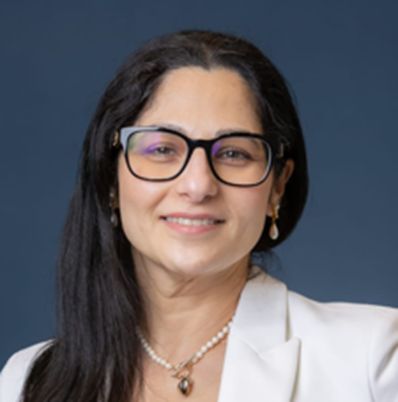
Dr. Dalia H. Elmofty is double board certified in Anesthesiology and Pain Medicine and is an associate professor and the program director of the pain fellowship at the University of Chicago. She is a member of the Annual Meeting Oversight Committee (AMOC) and the chair of the Educational Track Subcommittee on Pain Medicine for the American Society of Anesthesiologists (ASA). She is the chair for the Women in Regional Anesthesia and Pain Medicine (WRAPM) Special interest group (SIG), ad hoc member for newsletter committee, and a member of the faculty development committee for the American Society of Regional Anesthesia and Pain Medicine (ASRA Pain Medicine). She is a member of the scientific planning committee,education committee, and newsletter committee for the North American Neuromodulation Society (NANS). She is the president of the Midwest Pain Society (MPS). She has presented at local, regional, and national meetings. She has published several book chapters and manuscripts.
-
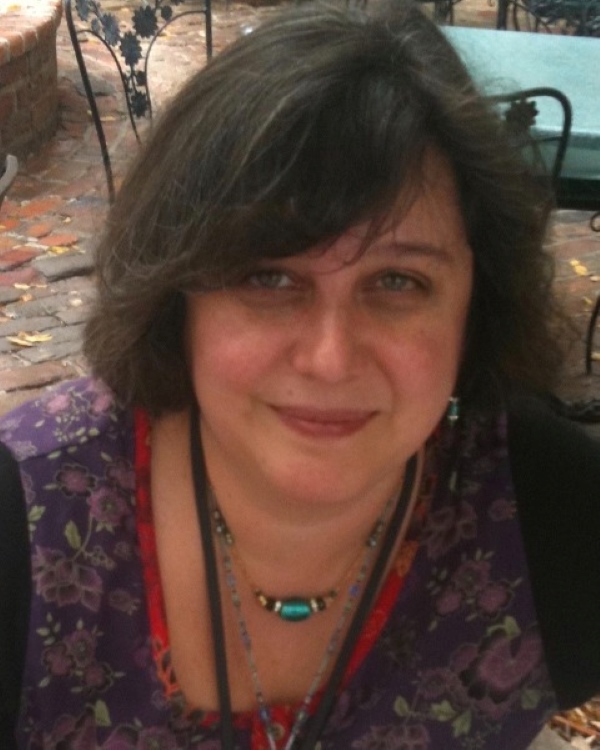
Magdalena Anitescu, MD, PhD
University of Chicago Medical Center · Chicago, Illinois
-
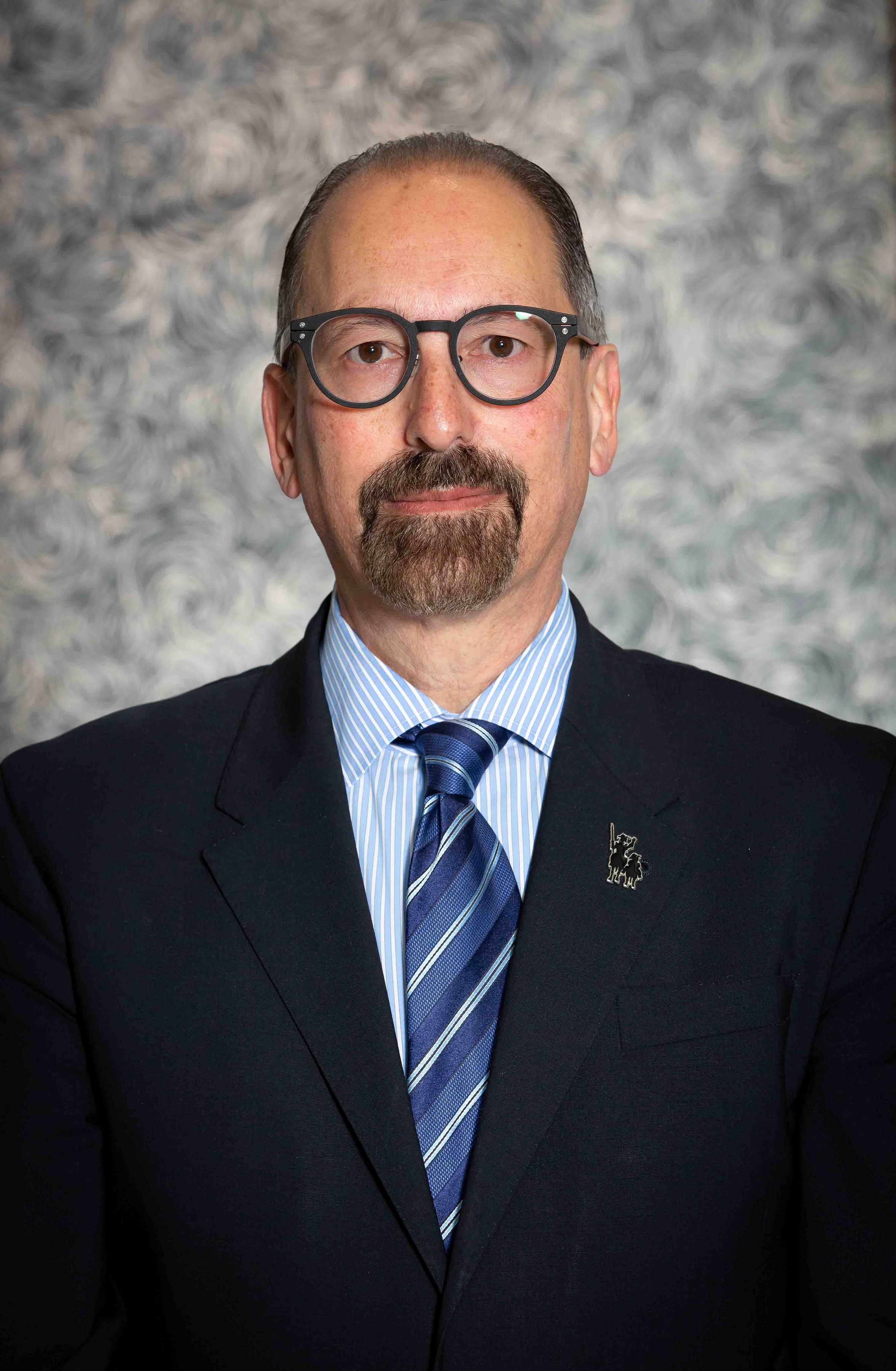
Robert M. Levy, MD, PhD
Editor in Chief, Neuromomodulation
International Neuromodulation Society · Florida
Robert M. Levy, M.D., Ph.D., is an internationally recognized neurosurgeon, and currently holds the position of Editor-in-Chief of Neuromodulation: Technology at the Neural Interface. He is Past-President of the International Neuromodulation Society (INS). He earned his medical degree and Ph.D. in neurosciences from Stanford University Medical School. He performed post-doctoral fellowships at Stanford University and UCSF.
During his academic career, he has been a tenured full Professor of Neurosurgery, Physiology and Radiation Oncology at the Feinberg School Medicine at Northwestern University. He has served as Professor and Chairman of the Department of Neurological Surgery and Co-Director of the University of Florida Health Sciences in Jacksonville, Florida. He most recently served as the Founding Director of the Marcus Neuroscience Institute and Director of the Harvey Sandler Center for Neurosurgery in Boca Raton, Florida. He has been the recipient of many national and international honors and awards and has been listed in the Best Doctors in America. He has authored several textbooks and published over 300 peer-reviewed journal articles. His current research involves novel applications of neurostimulation and targeted drug delivery to the brain. In addition, he has assisted with the design and implementation of multiple neuromodulation technologies and devices.
-
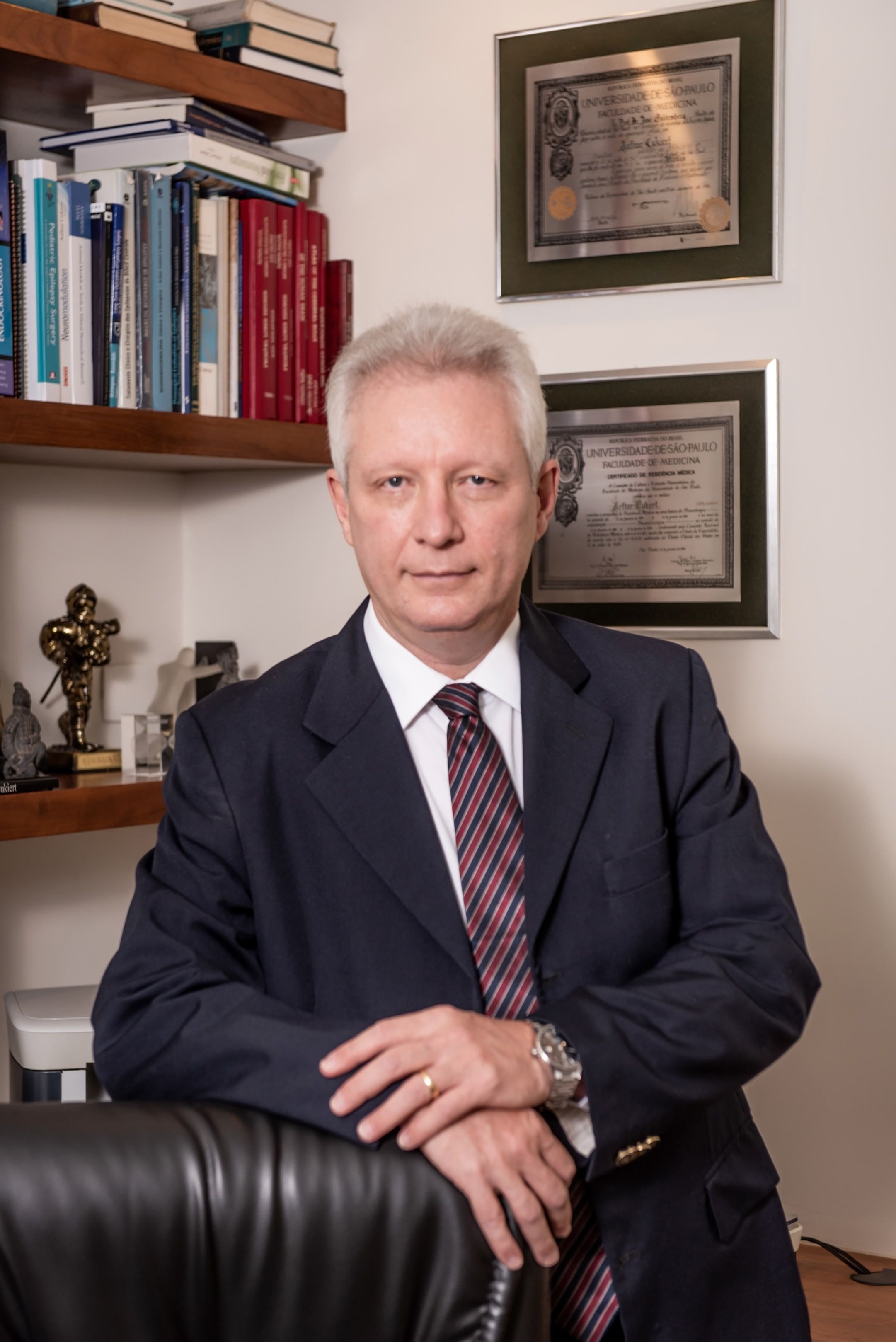
Arthur Cukiert graduated at Sao Paulo University in 1986 and finished his neurosurgical training at the Hospital das Clinicas of Sao Paulo University in 1991. He spent a year at the Montreal Neurologic Institute as a Clinical & Research Fellow. He received a PhD degree in Neurophysiology in 1996 and he is a Full Professor in Neurosurgery from the Sao Paulo Medical School at University of Sao Paulo. He is presently the Director of the Sao Paulo Epilepsy Clinic, and Head of its Epilepsy Surgery Program. He is a founder and Board Member of the International Epilepsy Surgery Society and developed both global Epilepsy Surgery Technical Meetings and Webinar series . He is part of the ILAE Pediatric Surgery Task Force, Epilepsy Surgery Education Taskforce, the Education Council and the Industry Relations Taskforce. He was President of the Brazilian Functional Neurosurgery and Neuromodulation Societies, twice President of the Brazilian Congress of Update in Neurosurgery and Scientific Committee Chair for the Brazilian Congress of Neurosurgery. He presented more than 400 lectures worldwide, attended 390 meetings, presented over 850 abstracts and published 150 peer reviewed papers and 10 books. His activities center on the surgical treatment of refractory epilepsy and pituitary tumors.
-
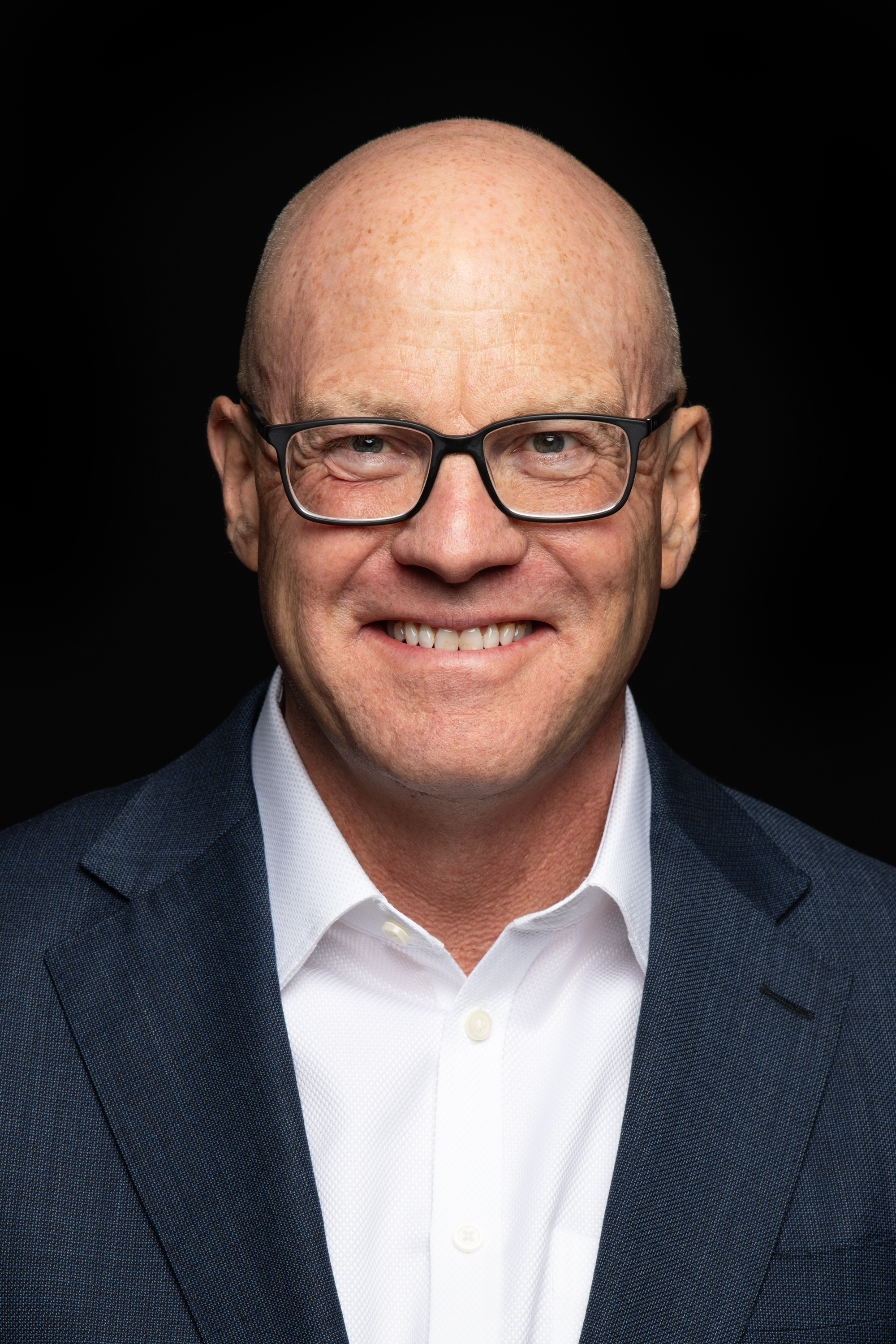
Sean Mackey, MD, PhD
Chief, Division of Pain Medicine
Stanford University School of Medicine · California
Sean Mackey, MD, PhD is the Redlich Professor and Chief of the Division of Pain Medicine at Stanford University, where he leads the Stanford Pain Management Center, one of the nation’s premier programs for comprehensive, multidisciplinary pain care. A physician-scientist, Dr. Mackey leads research at the intersection of pain, neuroscience, and technology, with a focus on developing innovative approaches to assess and treat chronic pain. His work spans from real-world data science to biomarker discovery, leveraging AI and learning health systems to optimize patient care. Dr. Mackey is the author of over 300 journal articles and book chapters in addition to numerous national and international lectures. He has served as past president of the American Academy of Pain Medicine and has advised federal agencies on national pain policy. He was Co-Chair of the HHS/NIH National Pain Strategy (NPS), an effort to establish a national health strategy for pain care, education and research. For more information: https://drseanmackey.com