
Panel Discussion
Part of Ensuring Robustness in Neuromodulation: Engineering, Methodological, and Clinical Perspectives
Details
- Date
- Saturday, January 23, 2027
- Time
- 4:20 PM – 5:20 PM
- Session type
- Panel Session
- Schedule
- See this day
About
Neuromodulation therapies, while highly effective, face challenges in delivering consistent outcomes across diverse patient populations. Variability in patient responses, device performance, and clinical protocols underscores the importance of ensuring robustness in these therapies. This panel session will explore how engineering design, biomarkers, and real-world data can be leveraged to enhance the reliability and reproducibility of neuromodulation therapies. Speakers will discuss the role of adaptive algorithms in creating systems that can respond to patient-specific needs while maintaining system stability. The session will also highlight how biomarkers and ecological momentary data assessment can be used to personalize neuromodulation treatments by capturing real-time, individualized data on patient status and response. By integrating these data streams, clinicians can adjust treatment protocols to maximize the therapeutic benefit for each patient, improving long-term outcomes. Through a multi-disciplinary approach, this session will focus on how methodological frameworks can support personalized approaches to treatment, ensuring that neuromodulation therapies are both robust and patient-centered. While personalization aims to reduce the variability in patient responses, robustness ensures that treatments remain effective and reliable across different individuals, ensuring a solid foundation for personalized care. The session will provide insights on how clinicians and engineers can collaborate to create adaptive, resilient systems that meet the dynamic needs of patients, ultimately advancing the field of neuromodulation through robust and personalized treatment strategies.
Presenters
-
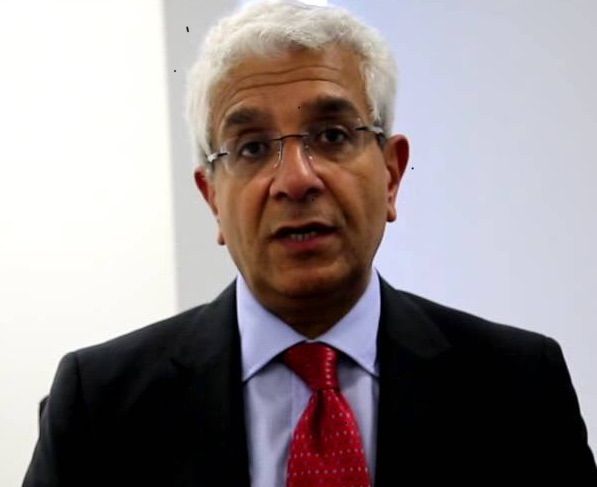
Sam Eldabe MB ChB, FRCA, FFPMRCA is a pain medicine consultant at The James Cook University Hospital, Middlesbrough, UK. He is an Honorary Professor of Pain Medicine at the Clinical Trials Unit of the University of Warwick. He heads the pain department at the Hôpital de Morges, Vaud, Switzerland, and divides his time between the UK and Switzerland.
Sam has practiced neuromodulation for more than 29 years, having founded the neuromodulation department at The James Cook Hospital. His neuromodulation work includes ITDD for cancer pain and spasticity, as well as neurostimulation for Chronic Pain, which led him to an interest in medication management, particularly opioid reduction.
He is interested in both the conduct of neuromodulation research and the critical analysis of neuromodulation manuscripts. He is the author of more than 150 manuscripts in pain management and neuromodulation. His current research interests include deprescribing opioids. He is Co-Chief Investigator of the I-WOTCH study published in JAMA in 2023. In 2023, Sam was named associate editor-in-chief for the Regional Anesthesia and Pain Medicine Journal. -
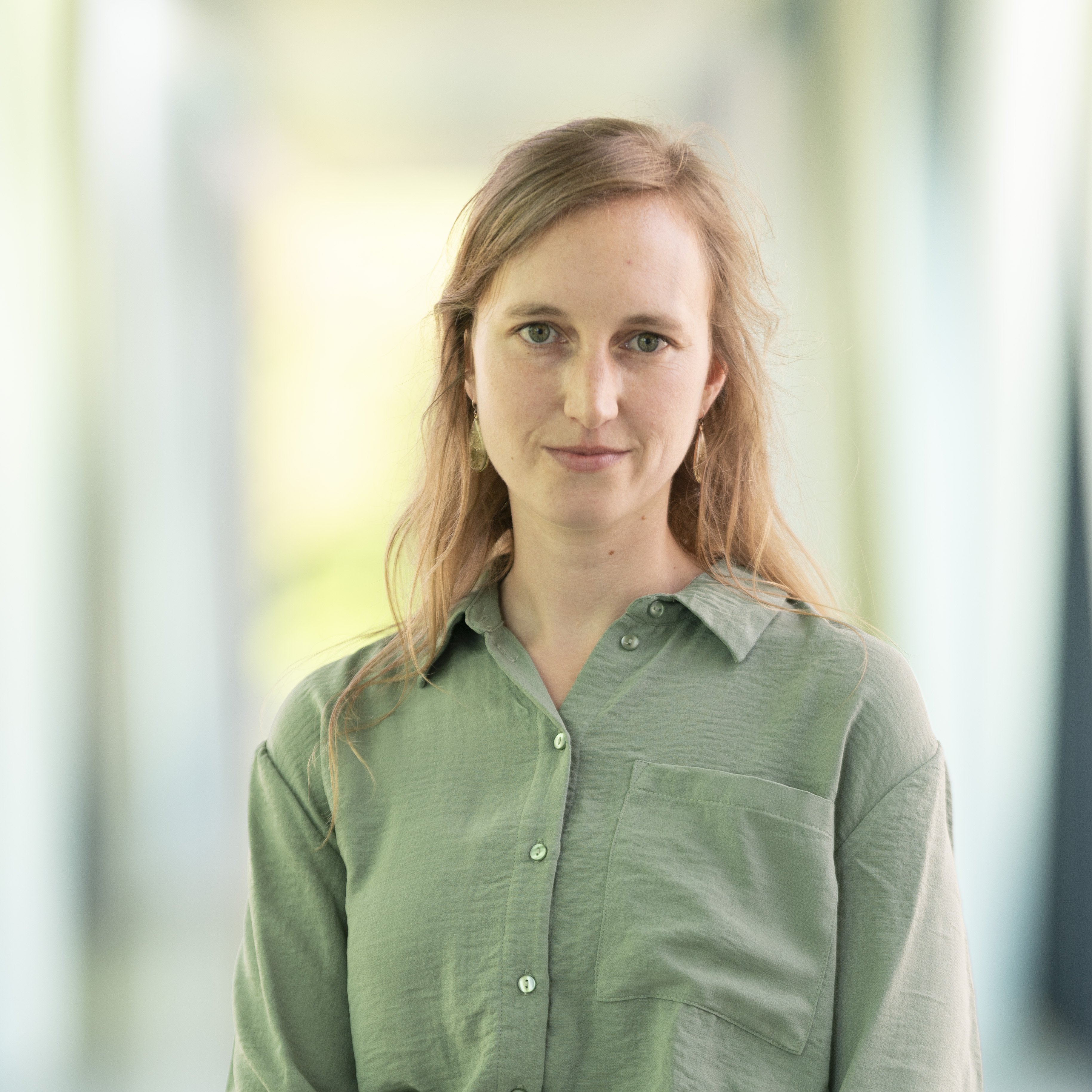
Lisa Goudman is assistant professor at Vrije Universiteit Brussel (Belgium). She received a fellowship from Research Foundation Flanders to conduct research in the field of neuromodulation and chronic pain. Currently, she is mainly focussing on multicomponent endpoints and ways to measure pain more objectively. She is president of the Benelux Neuromodulation Society.
-
Lisa Goudman is assistant professor at Vrije Universiteit Brussel (Belgium). She received a fellowship from Research Foundation Flanders to conduct research in the field of neuromodulation and chronic pain. Currently, she is mainly focussing on multicomponent endpoints and ways to measure pain more objectively. She is president of the Benelux Neuromodulation Society.
-
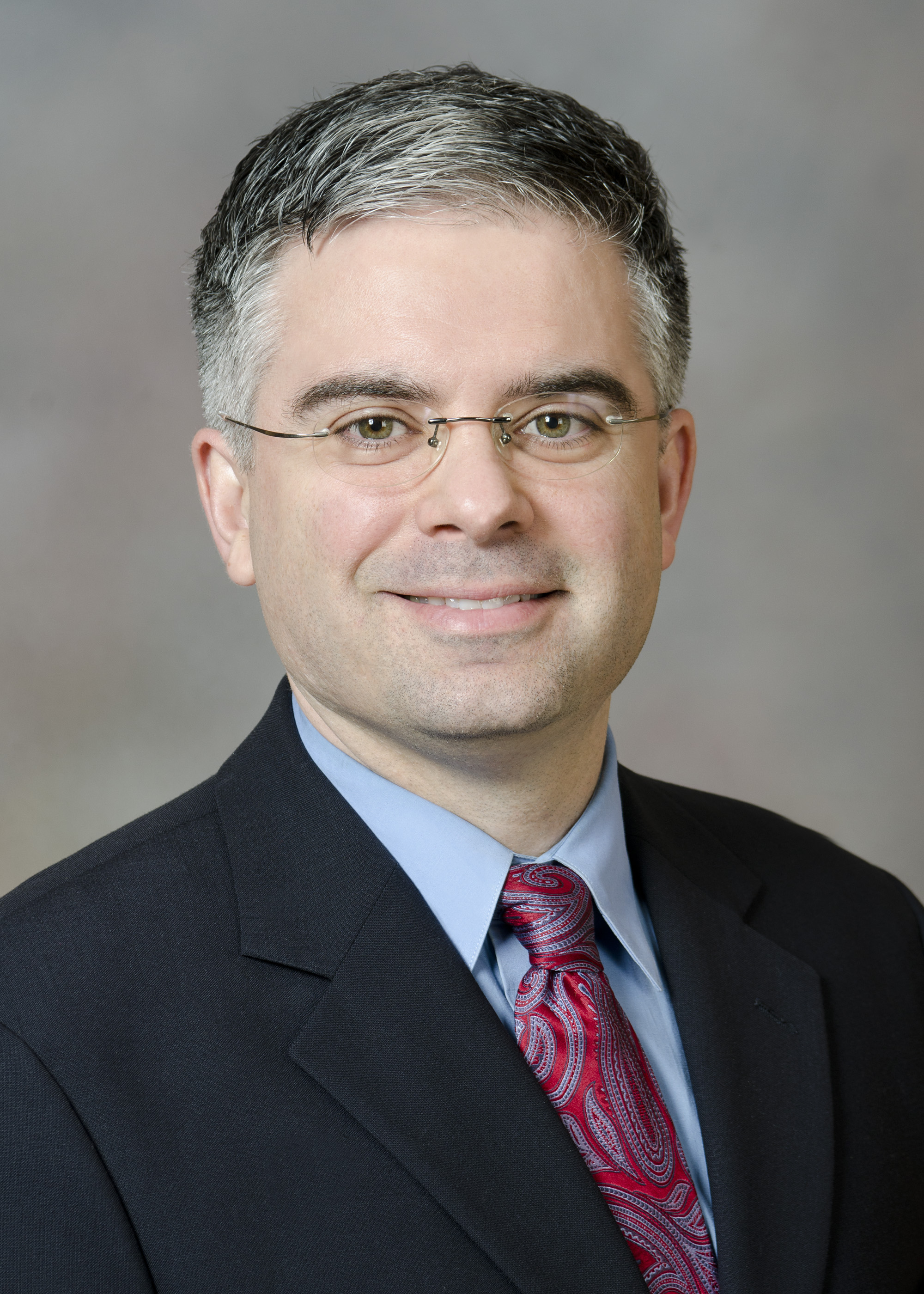
Dr. Sdrulla is an Associate Professor of Anesthesiology and Pain Management at Oregon Health & Science University, where he sees patients at the Comprehensive Pain Center. In addition to patient care, Dr. Sdrulla has an NIH-funded laboratory investigating the mechanisms of spinal cord stimulation using optical imaging techniques. As a dedicated clinician scientist, Dr. Sdrulla hopes his research will help advance non-pharmacological therapeutic modalities for refractory pain.
-
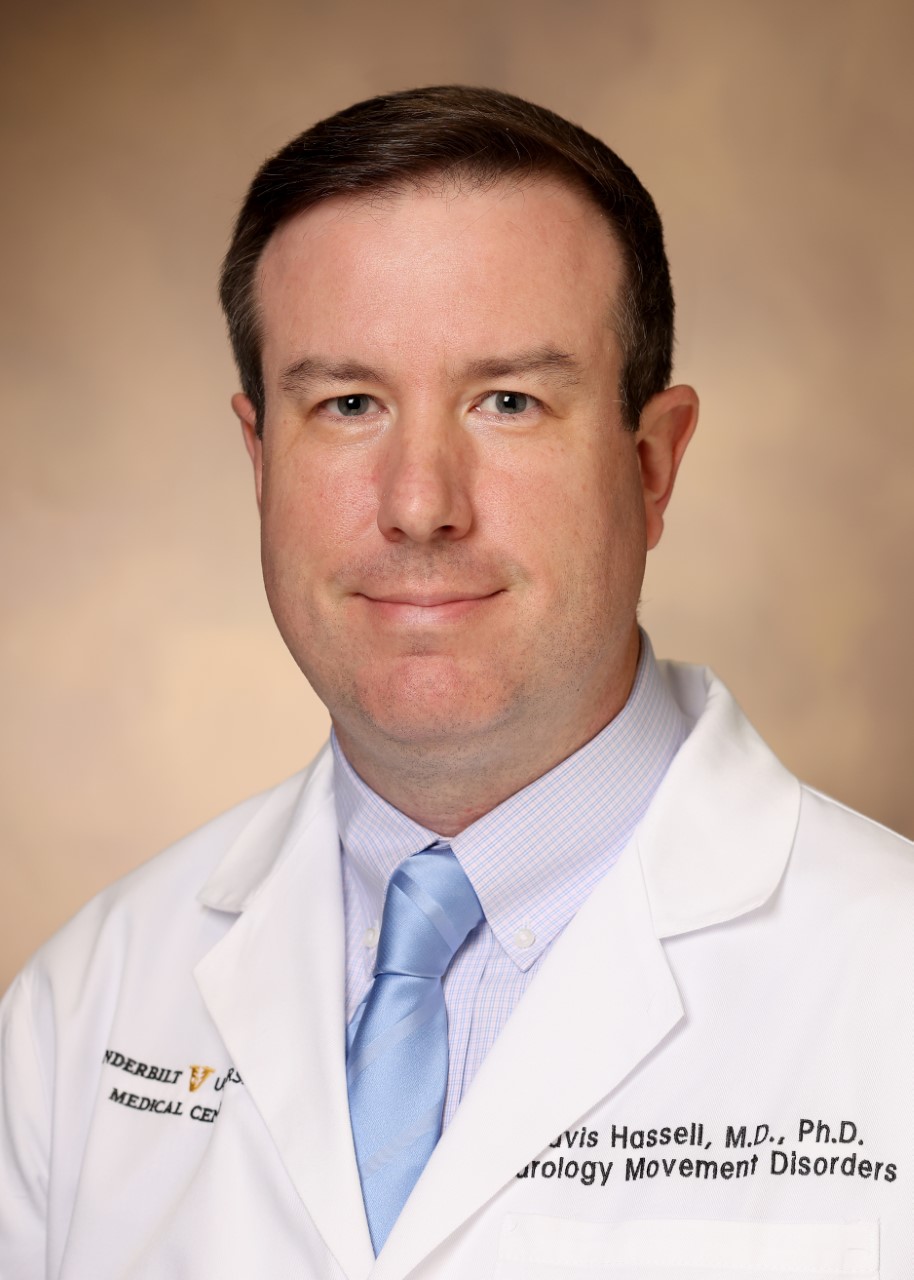
Travis Hassell, MD, PhD
Director of Advanced Therapy Program for Movement Disorders, Assistant Professor of Neurology
Vanderbilt University Medical Center · Nashville, Tennessee
Dr. Travis Hassell is an Assistant Professor of Neurology specializing in Movement Disorders at Vanderbilt University Medical Center (VUMC). His clinical practice and research both focus on movement disorders and bioengineering, with an emphasis on developing new neuromodulation technologies such as closed loop stimulation. He is currently the medical director of the advanced therapies program at VUMC overseeing both deep brain stimulation and focused ultrasound. He has an active research program and is the primary investigator on several clinical trials for adaptive DBS, freezing of gait, and investigational therapies for Parkinson's disease such as stem cell implantation. He completed graduate training through a combined-degree MD/PhD program at Indiana University (IU) School of Medicine and Purdue University School of Biomedical Engineering, respectively. He completed fellowship training in movement disorders at Vanderbilt Health in Nashville, TN. He is currently a member of the North American Neuromodulation Society and the Movement Disorders Society.