
Panel Discussion
Part of Peripheral Nerve Stimulation in Practice: Debating the Gray Zones Where the Verdict Is Still Out
Details
- Date
- Friday, January 22, 2027
- Time
- 4:21 PM – 5:20 PM
- Session type
- Panel Session
- Schedule
- See this day
About
Despite rapid growth in the utilization of peripheral nerve stimulation (PNS), substantial variability exists in how clinicians evaluate patients, perform procedures, and manage long-term therapy. Many of these practice differences persist because high-quality evidence is limited or conflicting, leaving key aspects of PNS care in a clinical "gray zone." This interactive concurrent panel session will explore unsettled and controversial aspects of PNS practice through a debate-style, pardon-the-interruption format designed to mirror real-world clinical decision-making. Faculty with diverse practice backgrounds will take opposing positions on common but unresolved questions, including the role of diagnostic nerve blocks prior to PNS, whether screening trials are always necessary before permanent implantation, optimal imaging versus landmark-based targeting strategies, the significance of habituation and lead fracture, and whether motor stimulation should be avoided or desired. Additional debates will address whether physical examination maneuvers, imaging findings (such as multifidus atrophy), or adjunctive studies (e.g., EMG) meaningfully predict outcomes; how to manage anticoagulation and antiplatelet therapy around PNS implantation; and what level of training and credentialing is necessary before offering PNS therapy independently. Audience participation will be actively encouraged, with moderators interrupting speakers to highlight conflicting data, challenge assumptions, and solicit real-time polling responses. Rather than promoting a single "correct" approach, this session aims to equip attendees with a nuanced understanding of where consensus exists, where it does not, and how to transparently counsel patients when evidence is incomplete.
Presenters
-
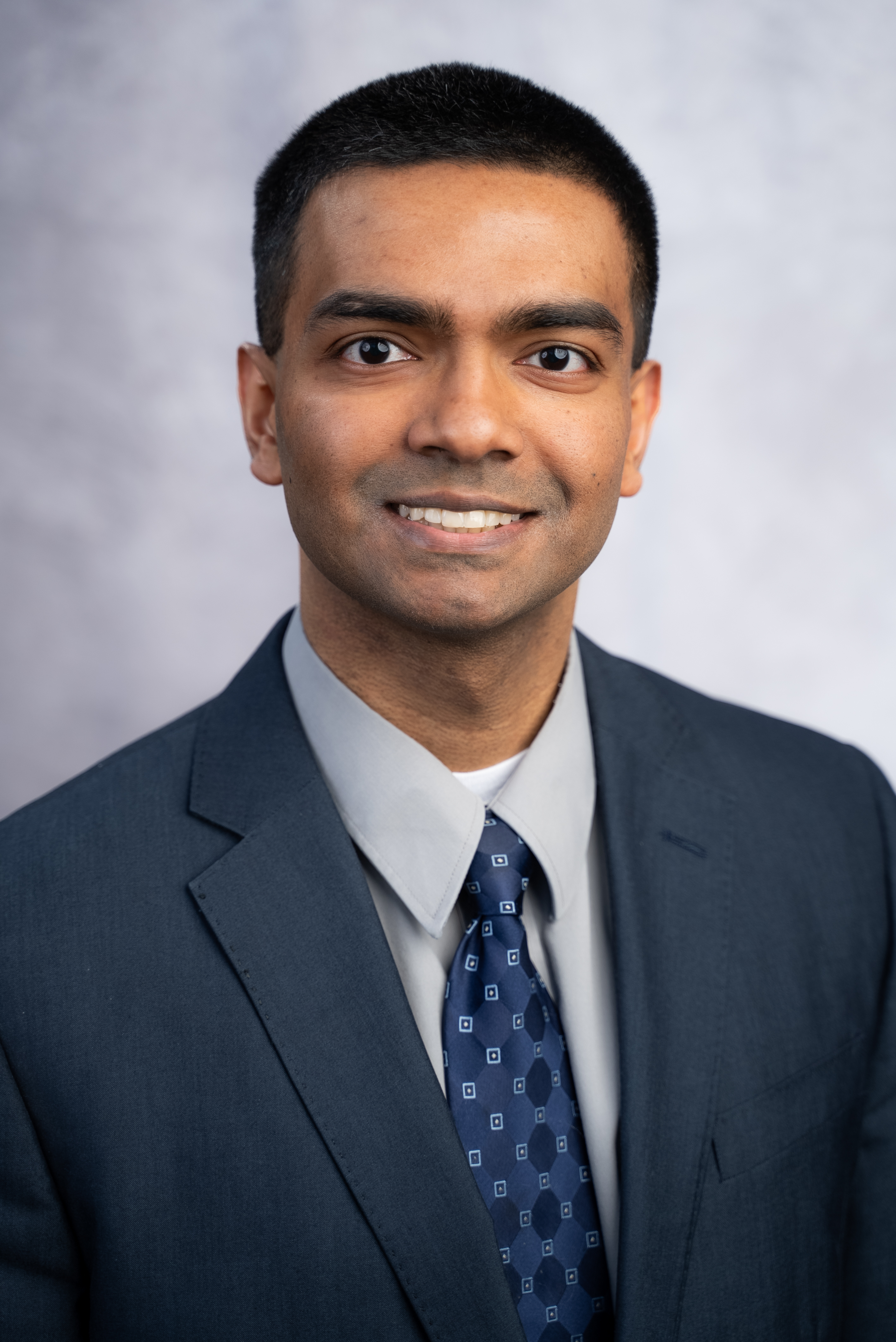
Ryan S. D'Souza, MD
Interventional Pain Physician, Professor, Director of Neuromodulation, Director of Research, Director of Anesthesia Clinical Research Unit
Mayo Clinic · Rochester, Minnesota
Dr. Ryan D'Souza is an anesthesiologist/pain physician and Professor of Anesthesiology at Mayo Clinic. He serves as the Director of Neuromodulation, Director of the Anesthesia Clinical Research Unit (ACRU), and Director of Research for the Mayo Medical School. He is the immediate past Director of Inpatient Pain Service. He serves as a Director-At-Large on the North American Neuromodulation Society Board of Directors. He has authored over 200 publications. He is currently a Section Editor for Neuromodulation Journal (Peripheral Nerve Stimulation section) and Journal of Pain Research (Pain Education and Early Career Investigators Section), and an Editor for Regional Anesthesia and Pain Medicine Journal. As a physician-scientist, his research interests include neuromodulation, regenerative medicine, fibromyalgia patient outcomes, and evidence appraisal/guideline creation.
-

Dr. Hao is a double board-certified anesthesiologist and chronic pain physician at Massachusetts General Hospital, where he also serves as the Director of the MGH Cancer Pain Program. He specializes in both acute and chronic pain management. He completed his anesthesia residency at Massachusetts General Hospital and his chronic pain management fellowship at Brigham and Women's Hospital.
-
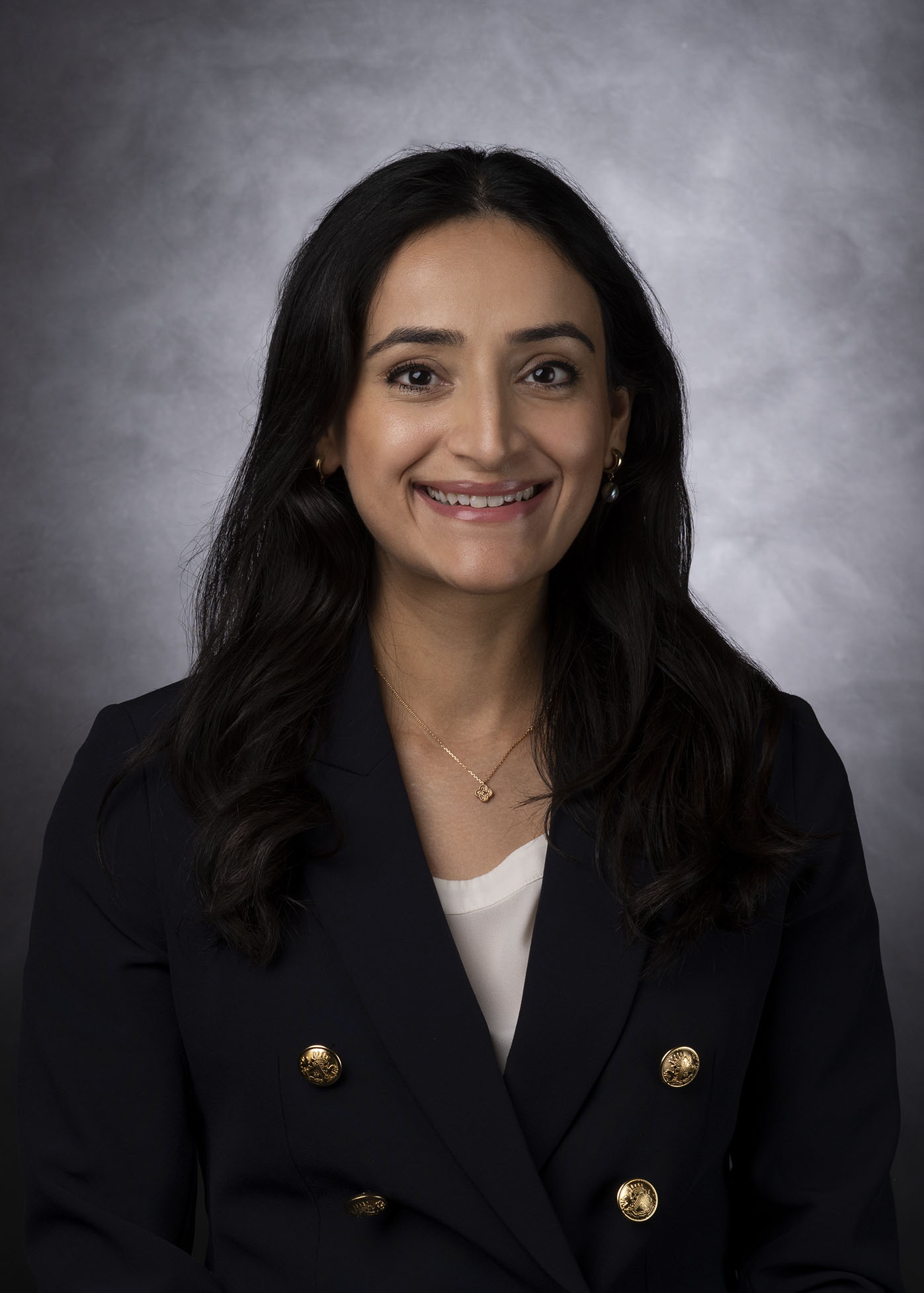
Dr. Saba Javed completed her anesthesiology residency at the University of Texas Health Science Center and her Pain Medicine fellowship at MD Anderson Cancer Center. She is a pain medicine physician and Associate Professor at MD Anderson Cancer Center.
Institutionally, she serves as Program Director for the Pain Medicine Fellowship and Co-Chair of the MD Anderson Cancer Pain Symposium. Nationally, she is the Vice-Chair for Women in Neuromodulation and serves as Director-at-Large for the Texas Pain Society.
Dr. Javed is an editor for multiple pain and anesthesiology journals, including Regional Anesthesia & Pain Medicine and Neuromodulation. As a physician-scientist, her research focuses on the use of neuromodulation for cancer-related pain syndromes to improve quality of life for patients with cancer and cancer survivors. She has authored over 105 peer-reviewed publications.
-
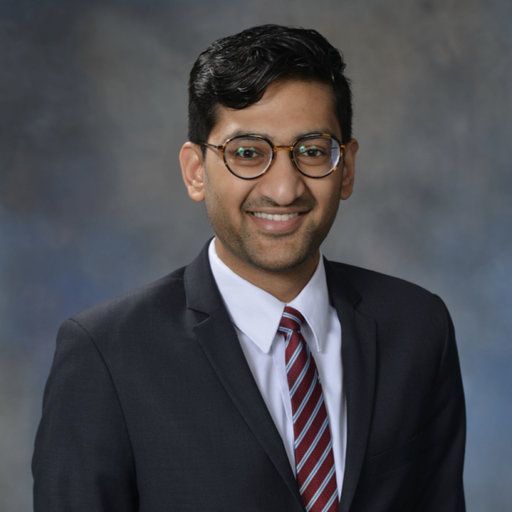
Jay Karri, MD, MPH
Assistant Professor
University of Maryland School of Medicine · Baltimore, Maryland
Dr. Jay Karri Karri is an Assistant Professor and Interventional Pain Medicine physician in the Departments of Orthopaedic Surgery and Anesthesiology at University of Maryland School of Medicine. He specializes in non-surgical treatments for various chronic pain conditions. He has particular clinical interests in neuromodulation therapies that reduce pain and functional limitations caused by a wide range of musculoskeletal and peripheral nerve conditions.
-
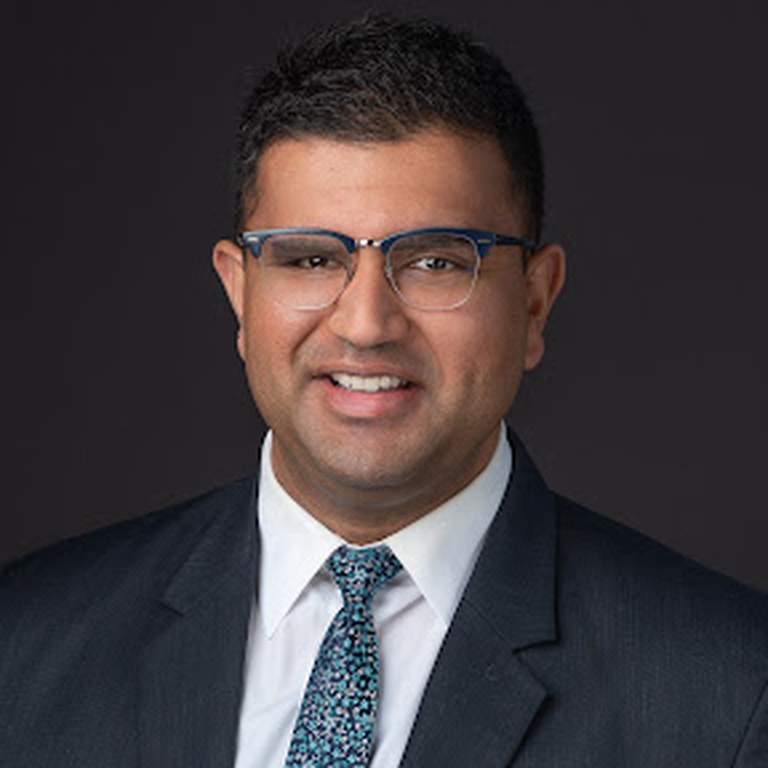
Dr. Kapoor is double-board certifeid in anesthesiology and pain medicine with additional training in general surgery and plastic surgery. He is staff within the Center for Spine Health and Pain Management at the Cleveland Clinic Foundation's Neurological Institute. He has extensive expertise in regional anesthesia, minimally invasive spine interventions, and neuromodulation.
-
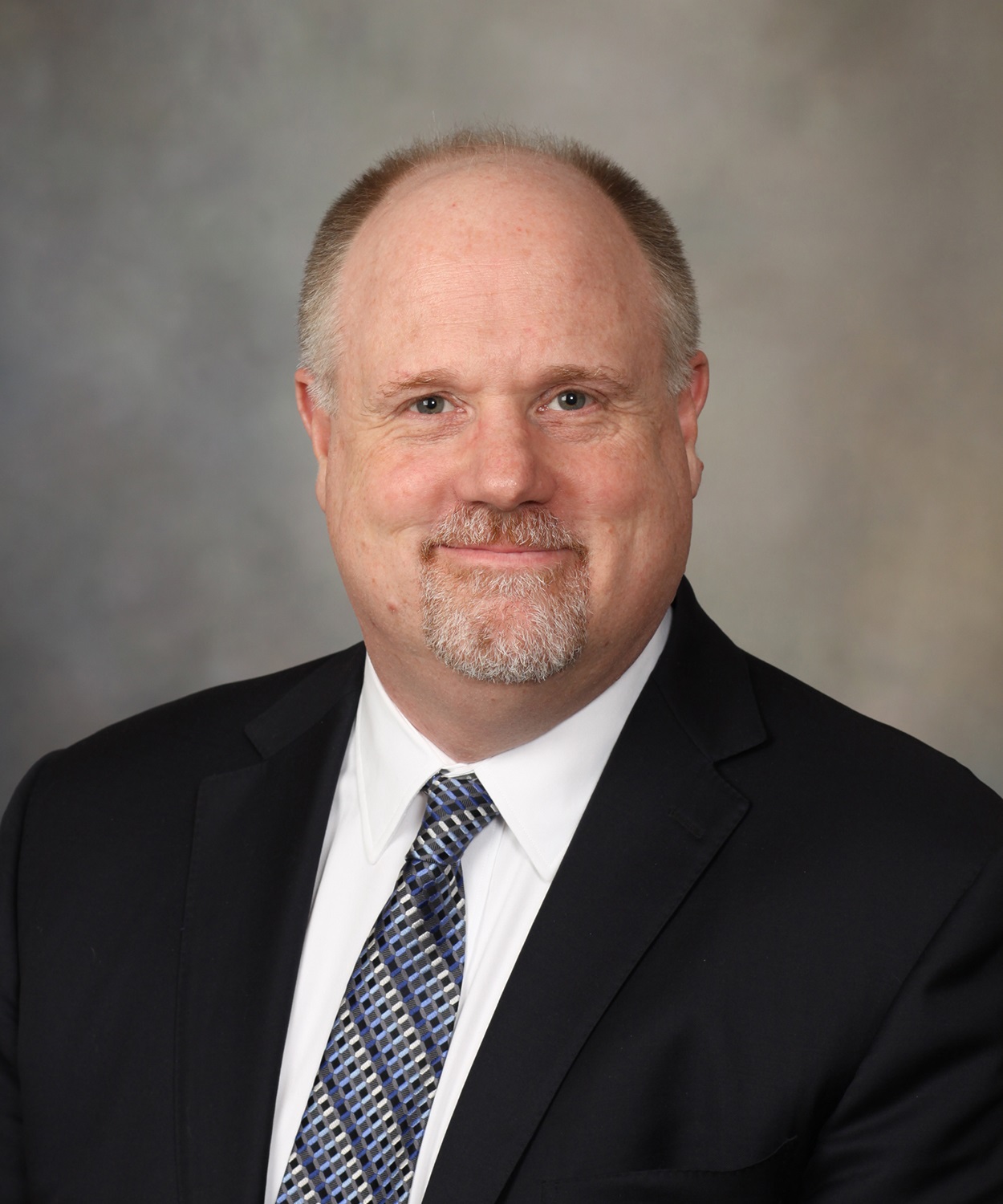
Dr. Matthew J. Pingree, an Assistant Professor of Physical Medicine & Rehabilitation at the Mayo Clinic College of Medicine, is a consultant in the Department of Anesthesiology and Perioperative Medicine's Division of Pain Medicine. He received his MD from the Medical College of Wisconsin, completed a Physical Medicine and Rehabilitation Residency at Mayo Clinic in Rochester, Minnesota, and an EMG/Neuromuscular Medicine Fellowship at Mayo Clinic Arizona. Following a period in private practice focusing on spine pain management, Dr. Pingree returned to Mayo Clinic Minnesota for a Pain Medicine Fellowship, receiving the prestigious Mayo Foundation Scholar award in 2008.
His clinical interests and research focus on advancing ultrasound in pain medicine and interventional neuromodulation, with a special emphasis on peripheral nerve stimulation. Dr. Pingree has made significant contributions to the field, evidenced by his publications in esteemed journals and his leadership role on the Board of Directors for the World Academy of Pain Medicine United. His dedication to the field has been recognized with awards such as the Teacher of the Year in the Division of Pain Medicine at Mayo Clinic and the President's Choice Award from the American Society of Regional Anesthesia & Pain Medicine.