
Brain–Spine Interfaces and Spinal Neuromodulation for Motor Restoration
Part of Restorative Neuromodulation: Engineering the Future of Motor Recovery
Details
- Date
- Saturday, January 23, 2027
- Time
- 10:50 AM – 11:05 AM
- Session type
- Concurrent Session
- Schedule
- See this day
About
Neuromodulation is rapidly evolving from symptomatic treatment toward restorative neuroengineering approaches capable of re-engaging dormant neural circuits and restoring motor function. Emerging technologies including spinal stimulation platforms, brain spine interfaces, adaptive closed-loop systems, and neuroprosthetics are redefining the role of neuromodulation across multiple neurological conditions, including spinal cord injury, stroke, peripheral nerve injury, and movement disorders. This session will explore cutting-edge translational innovations that integrate neuroscience, engineering, and clinical neuromodulation to restore motor function.
Presenters
-
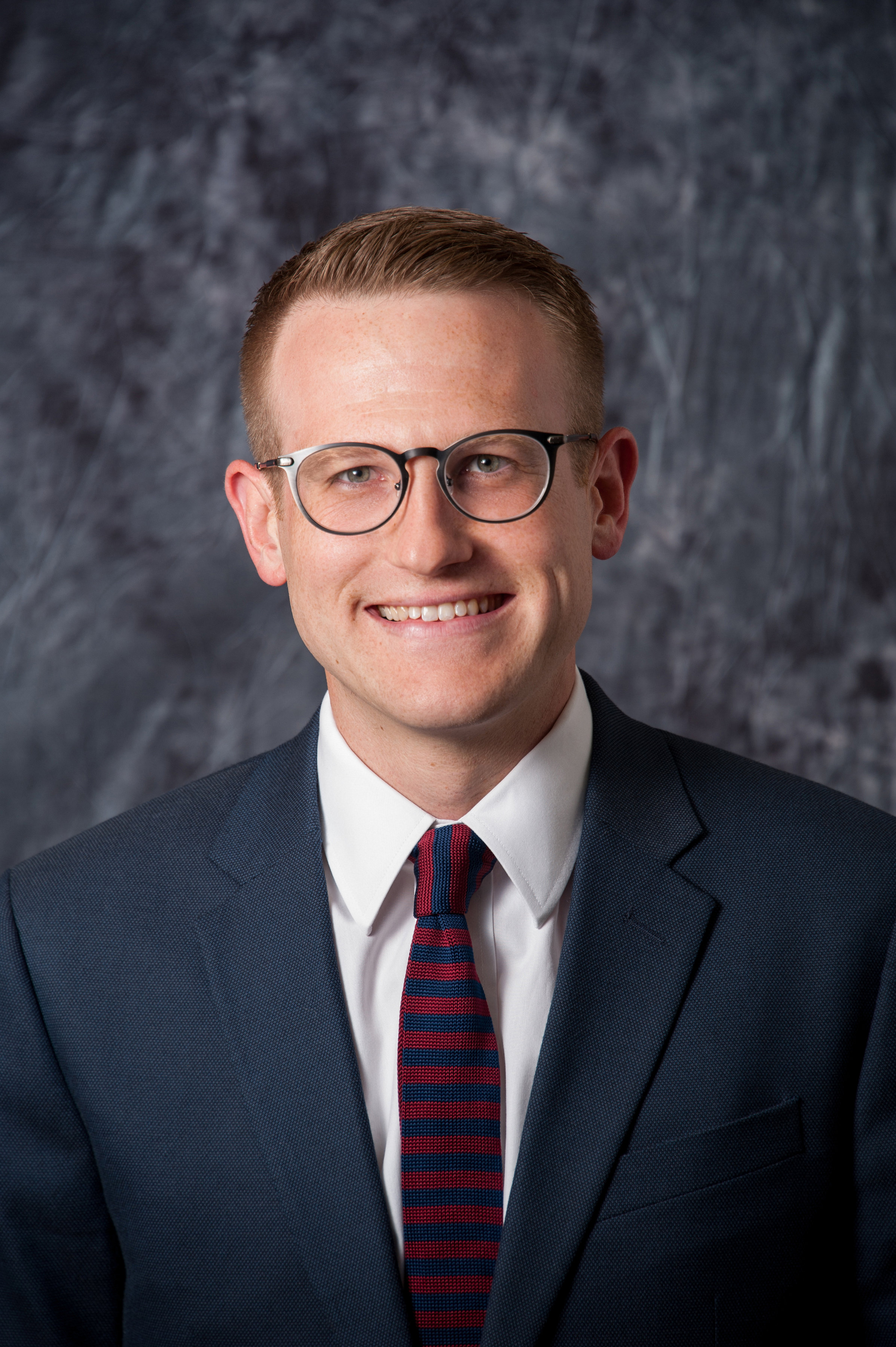
Dr. David Darrow is an Associate Professor in the Department of Neurosurgery and Psychiatry at the University of Minnesota and the Rockswold-Kaplan Endowed Chair for Traumatic Brain Injury at Hennepin County Medical Center, specializing in functional and pain neurosurgery. Dr. Darrow treats diseases of the central nervous system with neuromodulation including epilepsy, movement disorders, trigeminal neuralgia/facial pain, chronic pain, and psychiatric diseases.
Dr. Darrow is co-PI of the Herman-Darrow Human Neuroscience Lab with a mission of understanding and treating disorders of the nervous system with neuromodulation. The Herman-Darrow Lab links together circuit-level electrophysiology with behavior. By pairing neuromodulation with a quantitative understanding of the pathological circuits of the brain, the lab hopes to help patients improve symptoms and quality of life.
Dr. Darrow is also the PI of the Restorative Neurotrauma Lab at HCMC where electrophysiology and neuromodulation are used to better understand and treat traumatic injuries of the central nervous system. He is the PI for the E-STAND trial, where neuromodulation is used to restore function after Spinal Cord Injury. In collaboration with many other investigators, the team is testing neuromodulation to restore volitional movement and autonomic function using algorithmic, personalized approaches through remote data collection.