
DRG for Persistent Spinal Pain: Supportive in Rehabilitation?
Part of Neuromodulation for Spinal Restoration: Rebuilding Stability and Function with SCS, DRG, and PNS
Details
- Date
- Saturday, January 23, 2027
- Time
- 7:15 AM – 7:25 AM
- Session type
- Breakfast Session
- Schedule
- See this day
About
"Spinal restoration" neuromodulation is shifting the goal from symptom suppression alone to restoring impaired motor control, stability, and function in degenerative spine phenotypes. In this session, faculty will present a clinically actionable framework that integrates PNS (lumbar medial branch/multifidus restorative stimulation), DRG stimulation (focal dermatomal targeting for axial and mixed low back pain), and SCS (systems-level modulation for pain and emerging applications in locomotor/gait dysfunction). Restorative neurostimulation targeting the lumbar medial branch nerve has shown durable improvements in pain, disability, and quality of life in patients with chronic mechanical low back pain and multifidus dysfunction, emphasizing a rehabilitative mechanism (repetitive multifidus contractions to improve neuromuscular control). We will then connect these "stability-first" concepts to DRG strategies for chronic low back pain (e.g., bilateral T12 DRG approaches with multidomain improvements), highlighting how targeted dorsal root engagement may complement restorative PNS or salvage inadequate outcomes. Finally, we will review emerging and controversial literature on SCS for gait and movement-related dysfunction (including Parkinson disease-associated gait impairment), emphasizing patient selection, mechanistic hypotheses, and how to design responsible clinical pathways when evidence quality varies. The session is case-based and algorithmic: attendees will leave with phenotype-driven decision trees for degenerative mechanical back pain with multifidus dysfunction, mixed axial/radicular presentations, and functional gait/locomotor impairment, including practical escalation steps across PNS, DRG and SCS (and combinations) while tracking functional endpoints (ODI/QoL/gait metrics).
Presenters
-
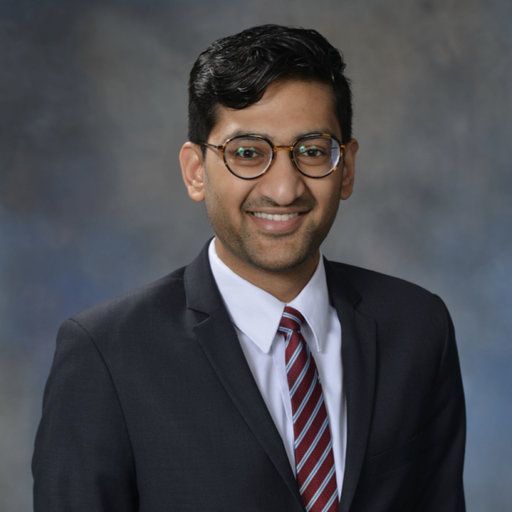
Jay Karri, MD, MPH
Assistant Professor
University of Maryland School of Medicine · Baltimore, Maryland
Dr. Jay Karri Karri is an Assistant Professor and Interventional Pain Medicine physician in the Departments of Orthopaedic Surgery and Anesthesiology at University of Maryland School of Medicine. He specializes in non-surgical treatments for various chronic pain conditions. He has particular clinical interests in neuromodulation therapies that reduce pain and functional limitations caused by a wide range of musculoskeletal and peripheral nerve conditions.