
Welcome
Part of Chronotherapy in Neuromodulation the Importance of a Clock for Personalized Medicine, Device Optimization, and Adaptive and Closed-Loop Neurostimulation Strategies
Details
- Date
- Friday, January 22, 2027
- Time
- 10:30 AM – 10:34 AM
- Session type
- Panel Session
- Schedule
- See this day
About
This session explores how aligning neuromodulation therapies with individual circadian rhythms (chronotherapy), thus tailoring interventions based on a patient's chronotype, can enhance therapeutic outcomes. We will bring together experts in chronobiology, clinical neuromodulation, and implantable neurotechnology to present emerging evidence and discuss practical strategies for integrating circadian insights into neurotech applications. Attendees will gain a deeper understanding of how the timing of interventions-whether pharmacological or electrical, peripheral or central-can modulate neural function more effectively when synchronized with endogenous biological clocks. Discussions will include how to integrate circadian biomarkers into closed-loop systems, evidence for time-of-day effects in brain stimulation, and strategies to personalize therapy timing based on patient chronotypes. This session will catalyze innovation in timing-aware neuromodulation strategies.
Presenters
-
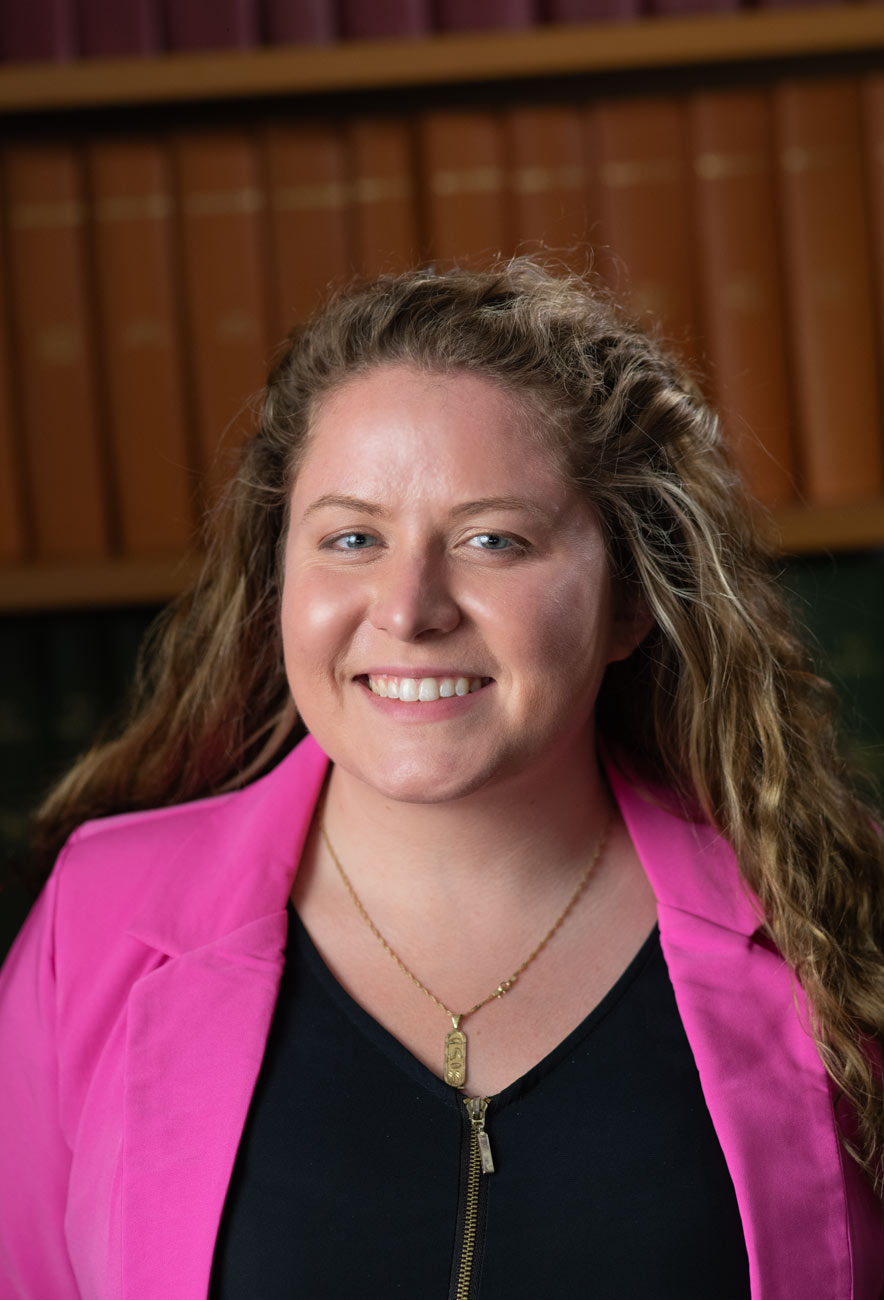
Dr. Victoria Marks a Post-Doc in the Translational Bioelectronics Lab at the University of Oxford, under the mentorship of Tim Denison. She received her PhD in Biomedical Sciences from the Mayo Clinic and BS in Biomedical Engineering from the University of Miami. She is fascinated by the interface of technology with medicine and physiology, particularly in the area of neural-engineering. She seeks to improve both the utility and usability of new technologies in this field.
-
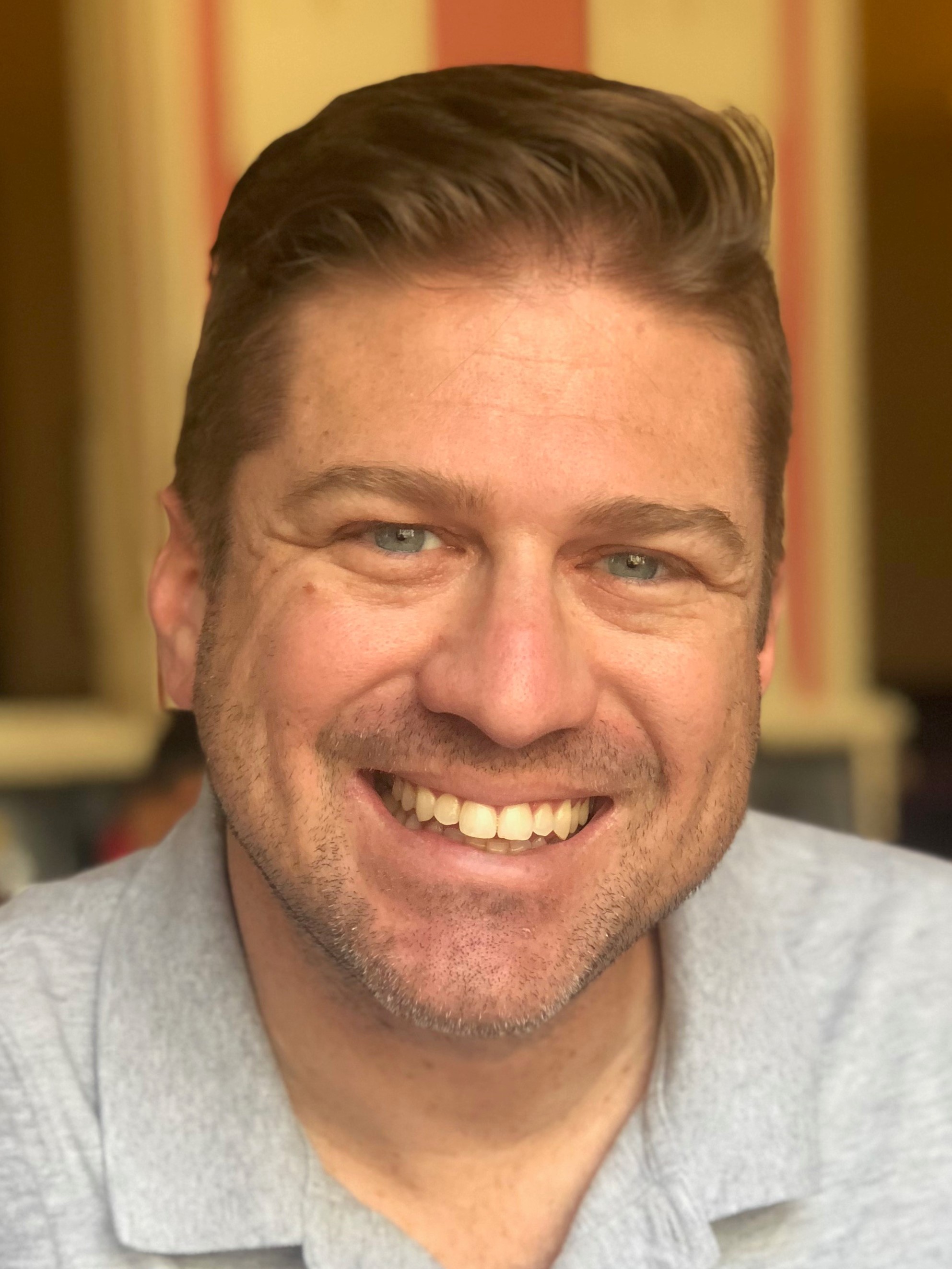
Dr. Brooks Gross is a Program Director in the Division of Translational Research at the National Institute of Neurological Disorders and Stroke (NINDS). Dr. Gross manages a portfolio of NINDS and BRAIN Initiative translational neural device projects in the areas of epilepsy, spinal cord injujry, and traumatic brain injury. He also co-leads the SPARC Human Open Research Neural Engineering Technologies (HORNET) Initiative. Dr. Gross received his B.S. in Neuroscience from the University of Florida, M.S.E. in Biomedical Engineering from the University of Michigan, and Ph.D. in Systems Engineering from Oakland University. His dissertation research focused on both AI to study chemical diffusion in the brain and the development of novel biosensors. Before joining the NIH, Dr. Gross led research and development in academic institutions and industry. As VP of R&D for a start-up medical device company, Dr. Gross brought non-invasive neuromodulation devices to market while maintaining FDA compliance. As faculty at the University of Michigan and UCLA, he studied the role of sleep in memory consolidation. Dr. Gross discovered asynchrony in sleep states, providing insight into the importance of timing of targeted therapies during sleep—such as closed-loop neuromodulation to treat abnormal memory consolidation in PTSD.