
Clock Genes, Pain Rhythms and Treatment Outcomes
Part of Guiding Precision Neuromodulation with Biomarkers: The Path to Personalized Therapy
Details
- Date
- Sunday, January 24, 2027
- Time
- 8:32 AM – 8:44 AM
- Session type
- Concurrent Session
- Schedule
- See this day
About
Neuromodulation therapies, including spinal cord stimulation, deep brain stimulation, and peripheral nerve stimulation, are increasingly used to treat pain and neurological disorders. However, outcomes remain variable, with some patients experiencing substantial benefit while others achieve limited or no improvement. There is a need for better tools to guide patient selection, therapy optimization, and outcome prediction. Biomarkers-objective biological indicators that reflect physiological or pathological processes-have the potential to transform the field by enabling more precise and personalized neuromodulation strategies. Speakers in this session will review neurophysiological markers such as evoked compound action potentials, neuroimaging signatures, electrophysiological signals including circadian rhythms and their impact on pain, and data from SCS programmers as well as wearable technology that may predict treatment response. The speakers will examine the strengths and limitations of existing evidence, as well as the challenges involved in translating biomarker discoveries from research settings into routine clinical practice. Ethical considerations, data integration, and the role of artificial intelligence in analyzing complex biomarker datasets will also be addressed. By highlighting both the promise and the challenges of biomarker-driven neuromodulation, this session aims to provide clinicians and researchers with a comprehensive overview of how objective biological signals may guide the evolution of neuromodulation therapies toward more personalized, precise, and effective treatments for pain and neurological disorders.
Presenters
-
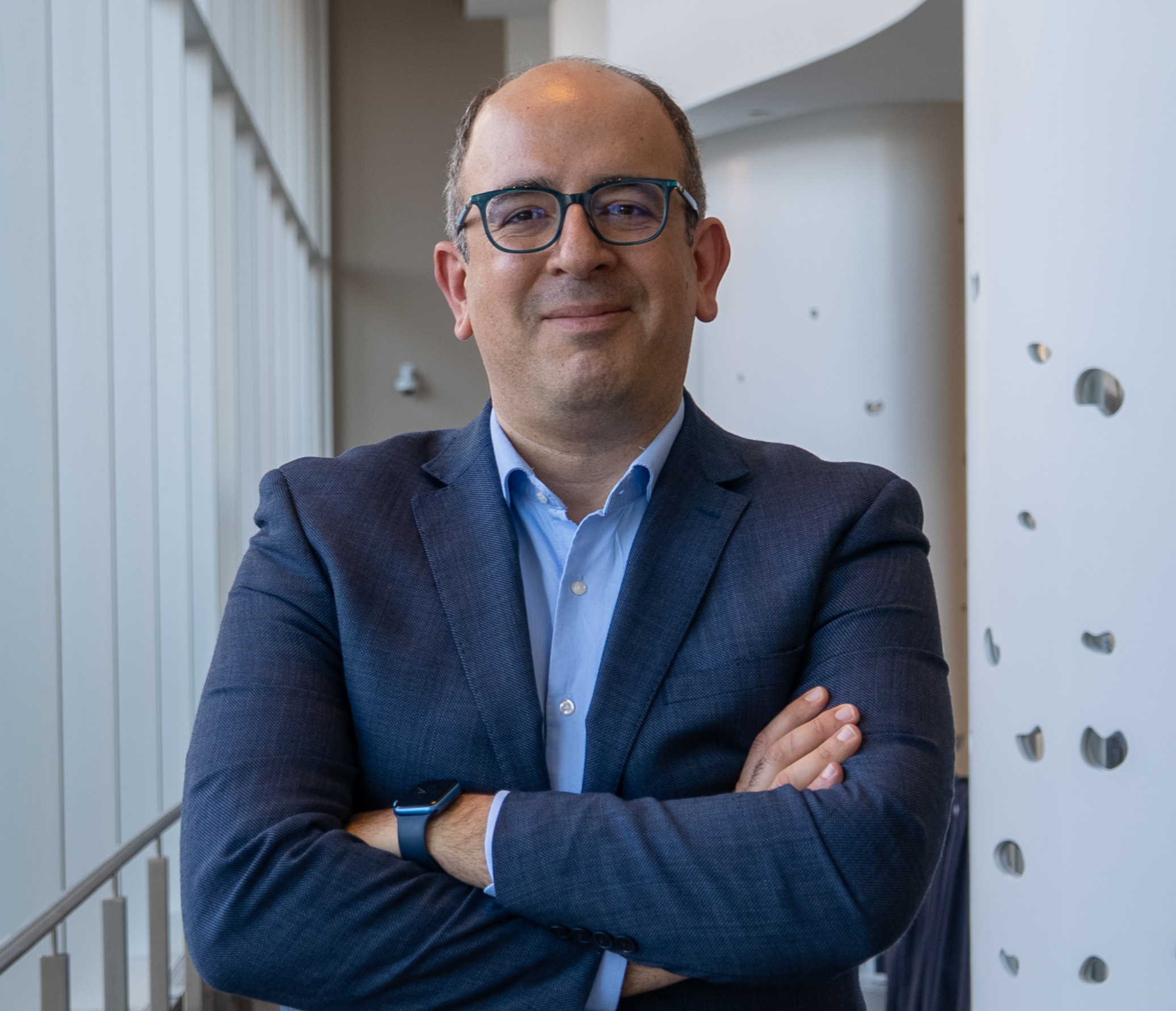
Nader Ghasemlou, PhD, is a Senior Scientist at the Krembil Brain Institute (University Health Network) and Associate Professor of Immunology at the University of Toronto. He leads the Pain Chronobiology & Neuroimmunology Lab (www.ghasemloulab.ca) and CircaHealth Research Network (CHRoNo; www.circahealth.ca). where his research team uses a translational approach to study the intersection of pain physiology, neuroimmunology, and circadian biology. Preclinical research in the group uses various animal models of injury and disease, including postoperative wounds, neuropathic nerve injury, multiple sclerosis, and spinal cord injury to better understand the molecular, cellular, and behavioural responses underlying human disease. Clinical research takes advantage of ecological momentary assessment to better understand rhythms of disease, coupled with intra-day biomarker discovery at the molecular and cellular level. Thus, his team takes advantage of circadian rhythmicity to uncover how bidirectional communication between the nervous and immune systems affect health and disease outcomes using behavioural assays, electrophysiology, molecular biology, and bioinformatics approaches, as well as a translational research program that seeks to identify the impact of neuroimmunity on biopsychosocial outcomes in patient populations. Work from his group has been published in leading journals including Nature, Science Translational Medicine, Journal of Clinical Investigation, and others.