
Closing Discussion
Part of Restorative Neuromodulation: Engineering the Future of Motor Recovery
Details
- Date
- Saturday, January 23, 2027
- Time
- 11:50 AM – 12:00 PM
- Session type
- Concurrent Session
- Schedule
- See this day
About
Neuromodulation is rapidly evolving from symptomatic treatment toward restorative neuroengineering approaches capable of re-engaging dormant neural circuits and restoring motor function. Emerging technologies including spinal stimulation platforms, brain spine interfaces, adaptive closed-loop systems, and neuroprosthetics are redefining the role of neuromodulation across multiple neurological conditions, including spinal cord injury, stroke, peripheral nerve injury, and movement disorders. This session will explore cutting-edge translational innovations that integrate neuroscience, engineering, and clinical neuromodulation to restore motor function.
Presenters
-
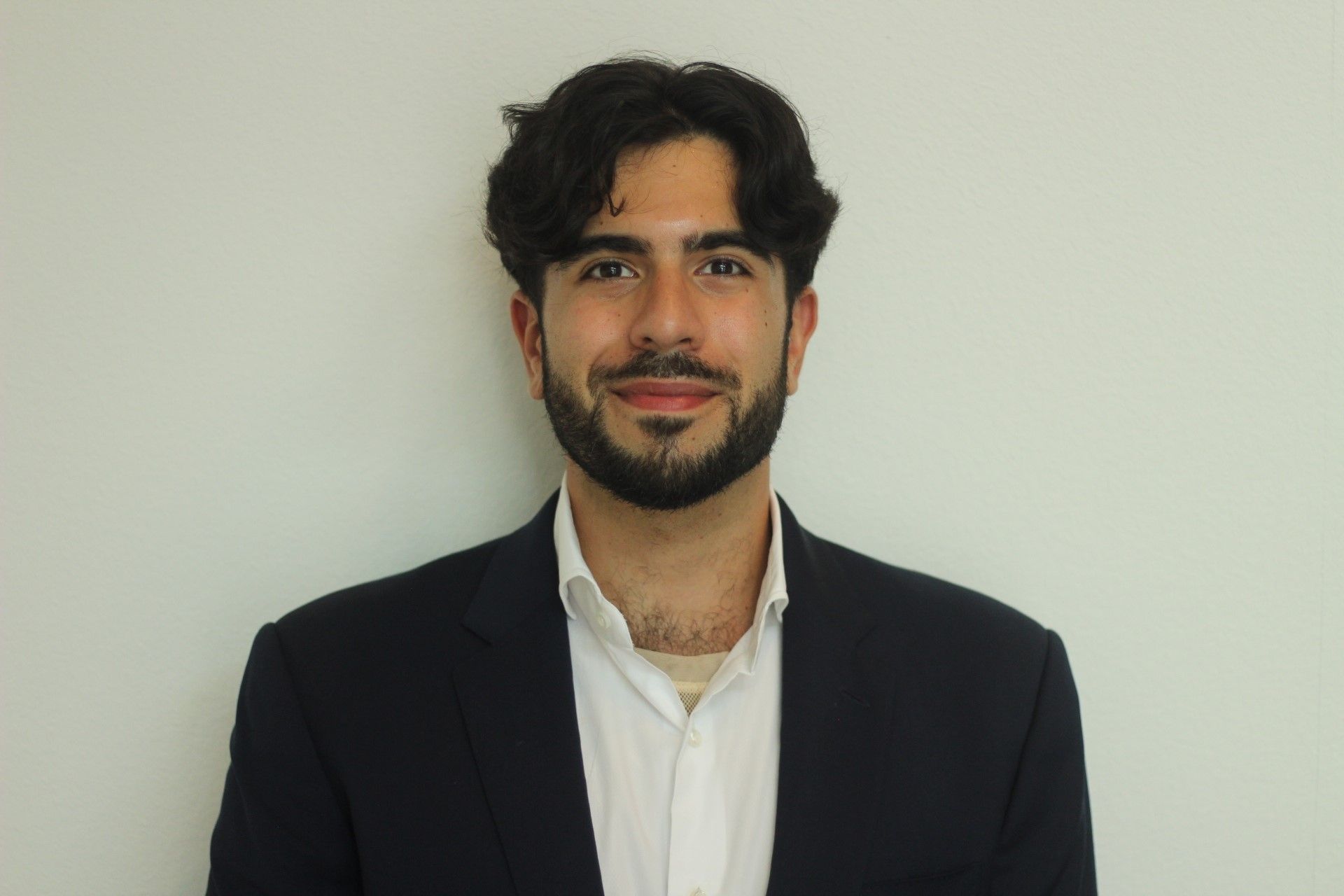
I am an MD/PhD student in my fourth year of graduate studies, researching epilepsy networks at the Brain Imaging and Electrophysiology Network (BIEN) lab. Dr. Dario Englot is the princicpal investigator of the BIEN lab and my primary adviser. My research interests include electrophysiologic network dynamics, machine learning, and thalamic neurodmodulation. After my MD, I intend to apply for a Neurological Surgery residency position with the hopes of becoming a neurosurgeon scientist.
-
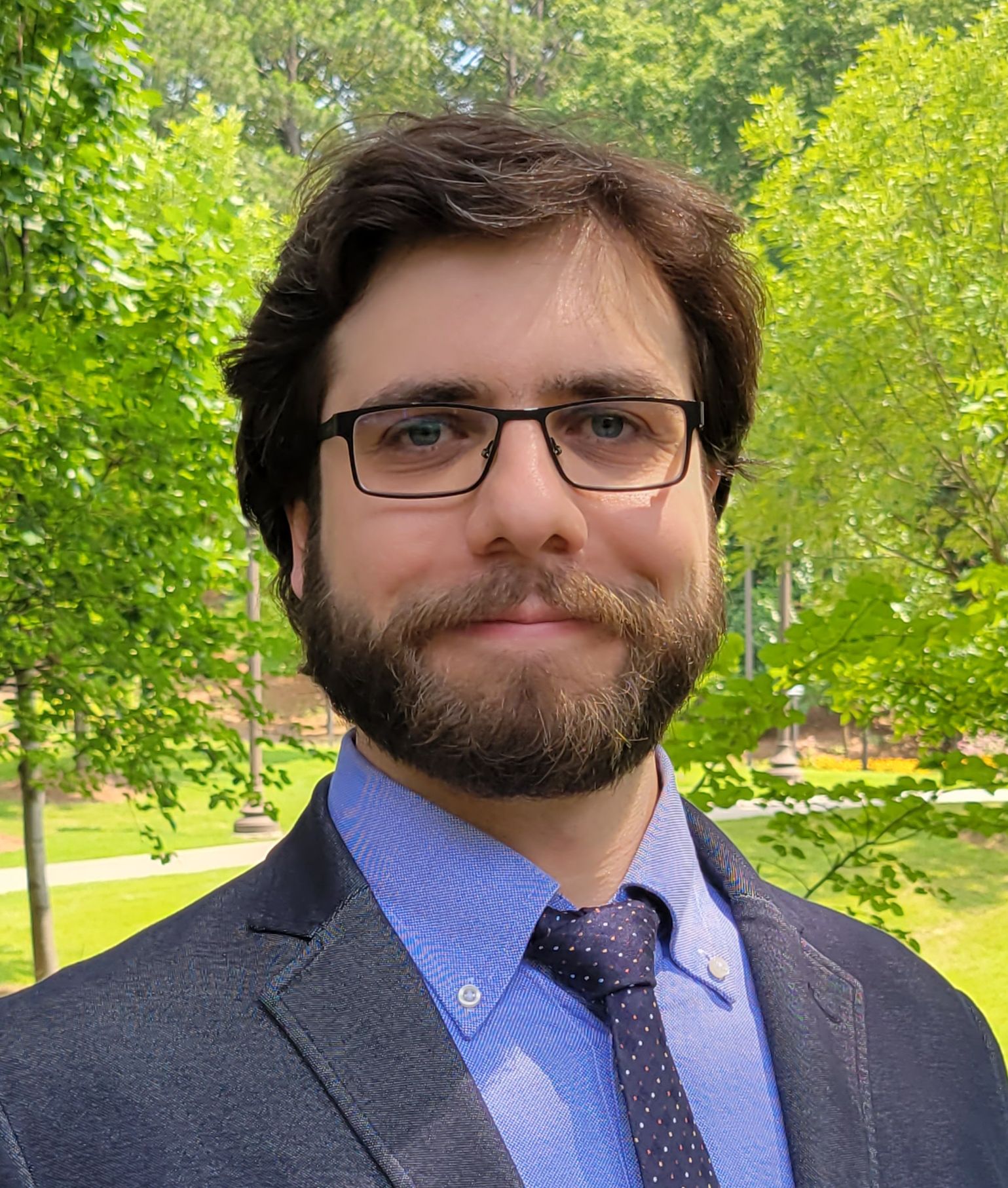
Dr. Enrico Opri is an Assistant Professor at University of Michigan within the Department of Biomedical Engineering and Neurology. He is a core faculty within the Biointerfaces Institute and he is affiliated with the Michigan Neuroscience Institute (MNI). His lab focuses on understanding how stimulation can alter neural circuits affected in neurological disorders, with the overall goal to identify neurological markers that can be leveraged to improve and enhance current state of the art therapies within movement disorders.