
Q&A Panel Discussion
Part of Closed-Loop & Biomarker-Guided Neuromodulation for Spine Related Pain: From ECAPs to Wearables and Remote Monitoring
Details
- Date
- Saturday, January 23, 2027
- Time
- 7:45 AM – 7:55 AM
- Session type
- Breakfast Session
- Schedule
- See this day
About
Closed-loop neuromodulation is evolving beyond fixed-output stimulation toward biomarker-guided therapy that uses physiologic signals (e.g., ECAPs), motion/posture inputs, patient-reported outcomes, and remote monitoring to improve consistency and durability-particularly in axial low back pain where variability and troubleshooting burden are high. This interactive 50/50 pain-neurosurgery panel will translate closed-loop concepts into real-world decision-making. Pain-focused content will cover phenotype-driven dosing, trial-to-permanent transitions, and how to interpret longitudinal data streams (pain interference, function, sleep/activity, "dose," rescue use) to trigger actionable programming changes. Neurosurgery-focused content will address when changing signals or symptoms reflect lead migration, stenosis progression, hardware issues, or target mismatch, and how to triage to imaging, revision, or alternate targeting. Case vignettes will walk attendees through "data-to-decision" pathways for loss-of-efficacy, overstimulation/undertreatment patterns, and complex post-surgical spines. The session ends with a practical follow-up protocol: what to monitor, thresholds for escalation, team roles, and patient communication strategies that preserve trust while leveraging automation.
Presenters
-
-
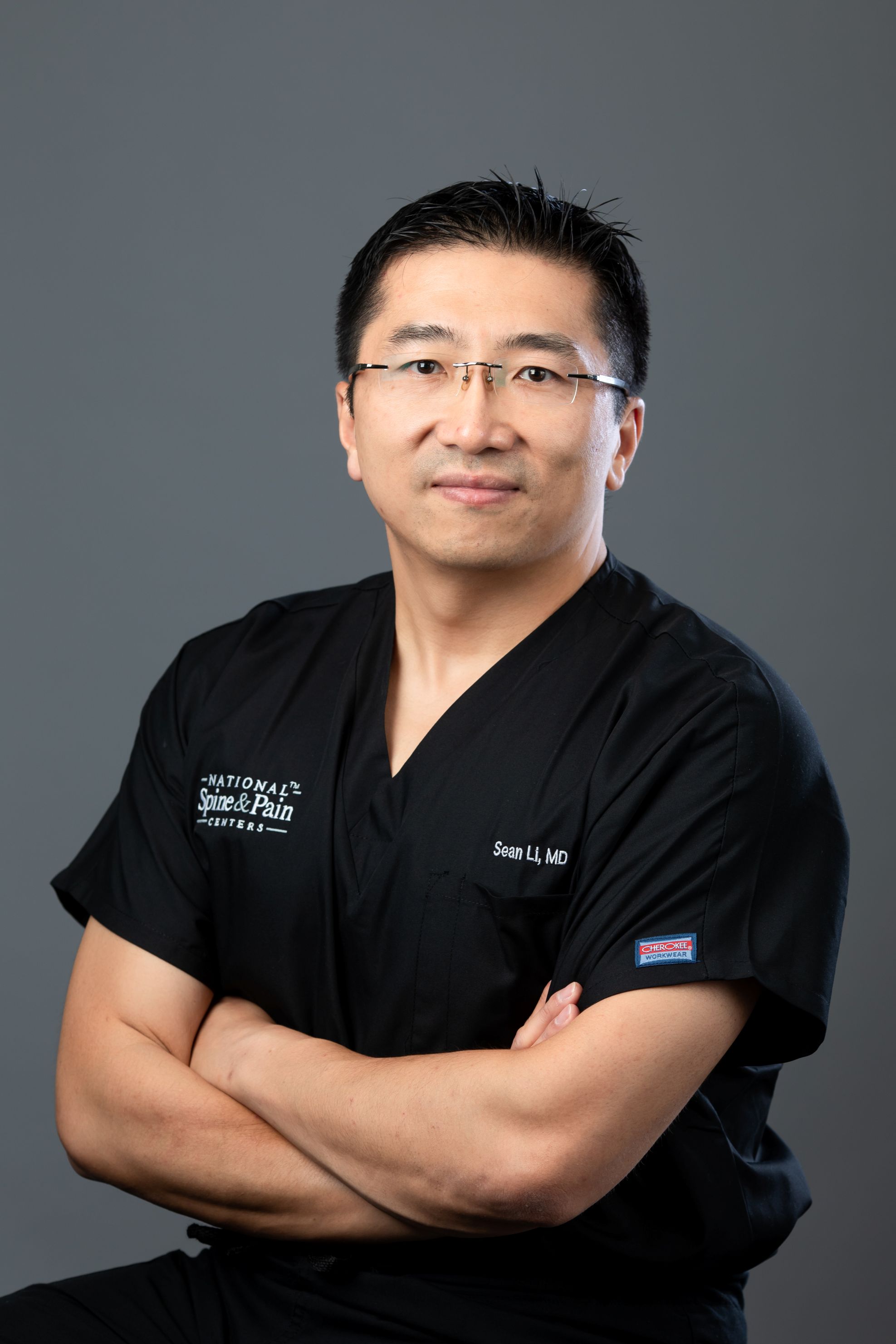
Sean Li, MD is an interventional pain physician. His clinical interest is neuromodulation. He earned his medical degree from the State University of New York at Stony Brook and underwent residency training in general surgery at the Mayo Clinic in Rochester, MN and later in anesthesiology at the University of Michigan in Ann Arbor, MI. He completed his fellowship at Johns Hopkins University in Baltimore, Maryland. Dr. Li is the immediate past-president of the New Jersey Society of Interventional Pain Physicians (NJSIPP) and is the Vice-President elect of American Society of Pain and Neuroscience (ASPN). He is currently a physician partner at National Spine and Pain Centers (NSPC) and an Adjunct Clinical Associate Professor in the Department of Anesthesiology at Rutgers New Jersey Medical School at Newark, NJ. He is an attending physician at Riverview Medical Center in Red Bank, NJ and Jersey Shore University Medical Center, Neptune, NJ.
-
Sean Li, MD is an interventional pain physician. His clinical interest is neuromodulation. He earned his medical degree from the State University of New York at Stony Brook and underwent residency training in general surgery at the Mayo Clinic in Rochester, MN and later in anesthesiology at the University of Michigan in Ann Arbor, MI. He completed his fellowship at Johns Hopkins University in Baltimore, Maryland. Dr. Li is the immediate past-president of the New Jersey Society of Interventional Pain Physicians (NJSIPP) and is the Vice-President elect of American Society of Pain and Neuroscience (ASPN). He is currently a physician partner at National Spine and Pain Centers (NSPC) and an Adjunct Clinical Associate Professor in the Department of Anesthesiology at Rutgers New Jersey Medical School at Newark, NJ. He is an attending physician at Riverview Medical Center in Red Bank, NJ and Jersey Shore University Medical Center, Neptune, NJ.
-
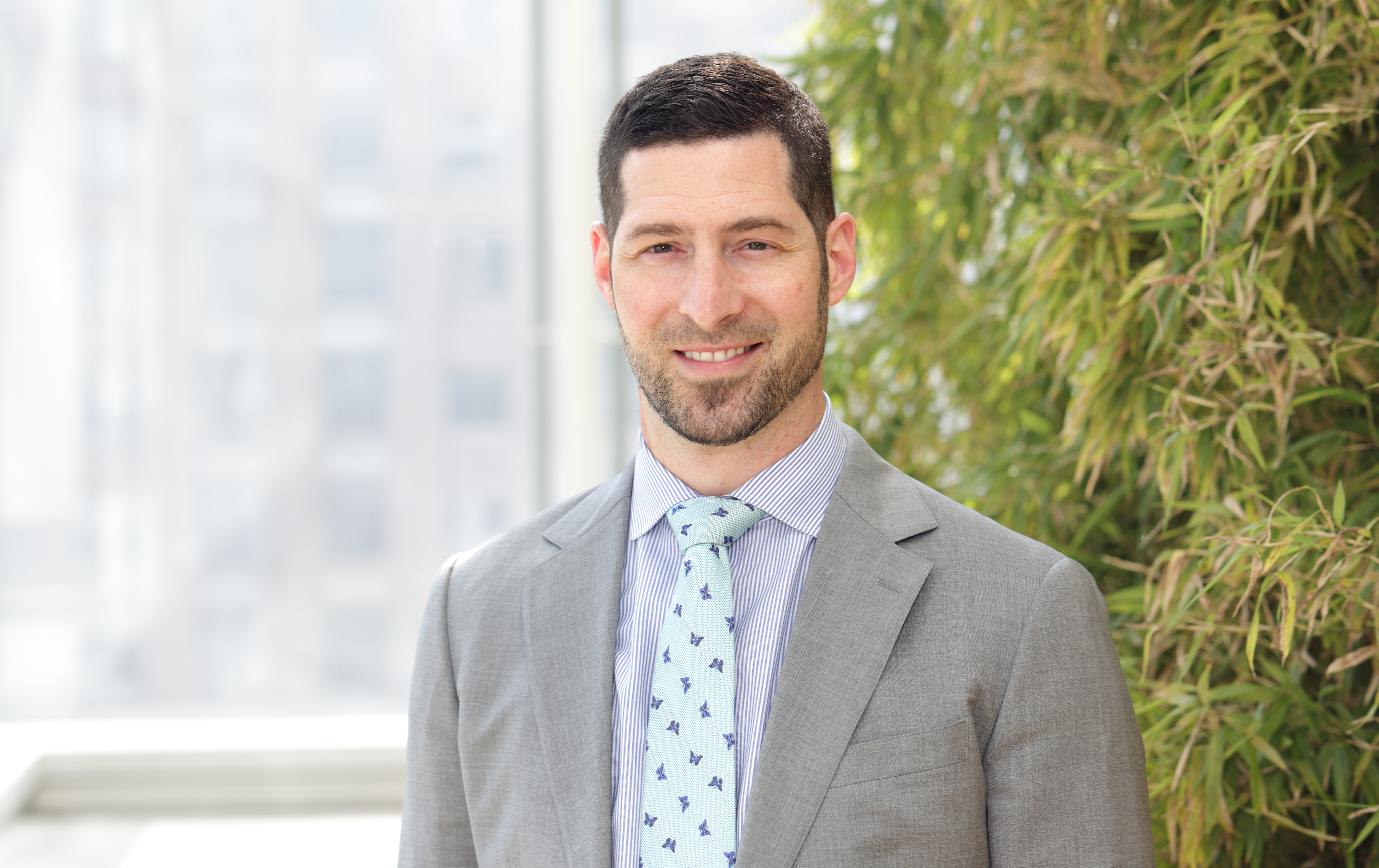
Jeffrey S. Raskin, MD MS
Neurosurgeon
Northwestern University Feinberg School of Medicine · Chicago, Illinois
Jeffrey S. Raskin MS MD is a board-certified pediatric neurosurgeon at Ann & Robert H. Lurie Children’s Hospital and clinical associate professor of neurological surgery at Northwestern University Feinberg School of Medicine. He completed residency in the department of neurological surgery at Oregon Health & Science University and fellowship training in pediatric neurosurgery at Texas Children’s Hospital. He maintains specific interests in functional neurosurgery in children and serves as director of functional neurosurgery in children at Lurie Children’s Hospital. Dr. Raskin is a member of AANS, CNS, AAP, ASPN, ISPN, and NANS and is associate editor of Operative Neurosurgery. Dr. Raskin’s career goals include creating and propagating standard work tools and new programs in functional neurosurgery to make this care more accessible for children worldwide. Dr. Raskin enjoys puzzling, kayaking, and amateur bird watching.
-
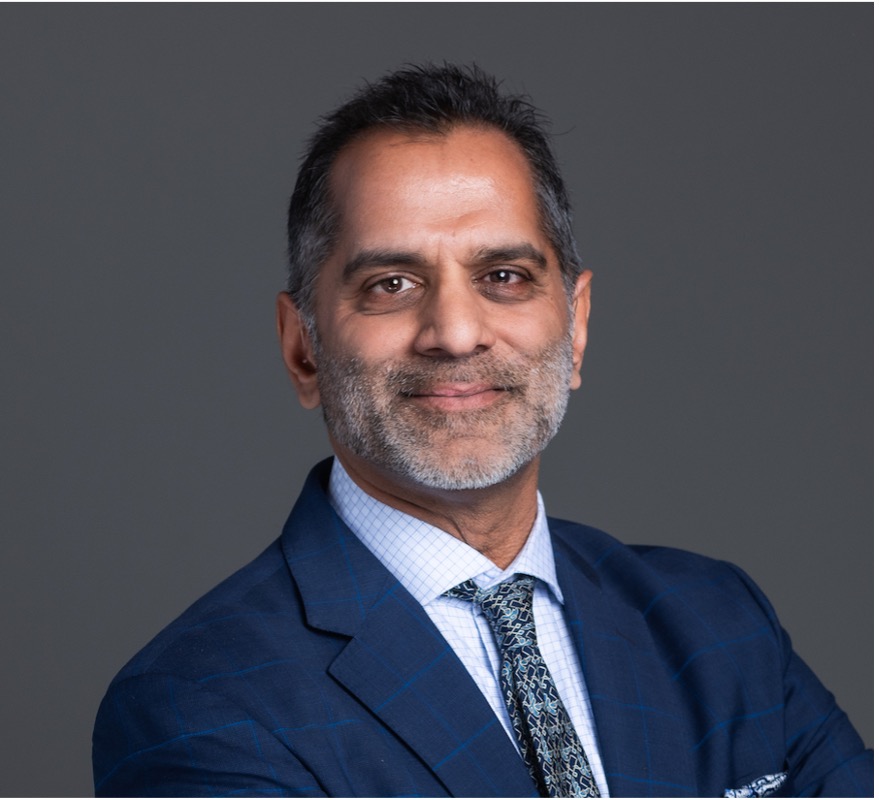
Parag Patil, MD, PhD is a neurosurgeon and biomedical engineer focused on advancing neurotechnology to improve care for people with neurological disorders. He trained at MIT, Oxford, Johns Hopkins, Duke, and Toronto, and now works at the University of Michigan as a professor of Neurosurgery, Neurology, Anesthesiology, and Biomedical Engineering. Dr. Patil's work bridges clinical practice and translational research, with a focus on neuromodulation and neural interfaces. He collaborates with academic teams, startups, and industry partners to develop technologies that make a real difference in patients’ lives.
-
Dr. Arle is currently practicing with the Argires Specialty Group in Lancaster. He was the Associate Chief of Neurosurgery at Beth Israel Deaconess Medical Center in Boston, Associate Professor of Neurosurgery at Harvard Medical School for 10 years, Director of Research in Neurosurgery at Lahey Clinic and an Associate Professor of Neurosurgery at Tufts University for 13 years previously. He received his BA in Biopsychology from Columbia University in 1986 and his MD and PhD from the University of Connecticut in 1992.
He edited the textbook Essential Neuromodulation (Elsevier-Academic Press) with Dr. Jay Shils, which has remained the top selling textbook in the neuromodulation field, and the textbook Innovative Neuromodulation (Elsevier, 2014) and The Neuromodulation Casebook (Elsevier, 2017). He has served as an associate editor (Pain and Functional) or Section Editor (Brain) at the journals Neuromodulation and Neurosurgery, co-chair of the Research and Scientific Policy Committee for the International Neuromodulation Society (INS), 6 years on the AANS/CNS Pain subsection Board and 8 years on the Board of Directors for the International Society for Intraoperative Neurophysiology (ISIN).
His longstanding research interests are in the area of computational modeling toward understanding and improving design of devices used in neuromodulation treatments.