
Moderated Panel Discussion
Part of Advanced Engineering Principles in Neuromodulation: Next-Generation SCS and DBS Technologies
Details
- Date
- Thursday, January 21, 2027
- Time
- 4:15 PM – 4:50 PM
- Session type
- Pre-Conference Session
- Schedule
- See this day
About
This course provides a deep dive into the advanced engineering behind next-generation spinal cord stimulation (SCS) and deep brain stimulation (DBS) technologies. The morning session spotlights academic leaders sharing foundational concepts critical to innovation in neuromodulation, covering topics such as implantable pulse generator design, electrode technology, novel stimulation paradigms, neural sensing, clinical testing strategies, and the integration of artificial intelligence. During the afternoon, you'll gain insider perspectives from engineers at top companies, as they present cutting-edge technologies recently launched or in active development. This unique structure bridges theory and application, empowering attendees with unparalleled insight into both the scientific fundamentals and real-world breakthroughs propelling neuromodulation forward. Each session features a dedicated faculty Q&A, offering direct engagement with experts. The course is tailored for a broad audience: neural engineers, clinicians, industry professionals, and researchers invested in advancing neuromodulation therapies. Attendees will explore the intricate engineering challenges of modern devices, discover emerging solutions and technologies, and understand how academic and industry innovators are shaping the future of patient care. Focused on the most relevant technological advancements and ongoing innovations, this course delivers practical knowledge that can immediately inform clinical decision-making, inspire new research directions, and support technology development in neuromodulation.
Presenters
-
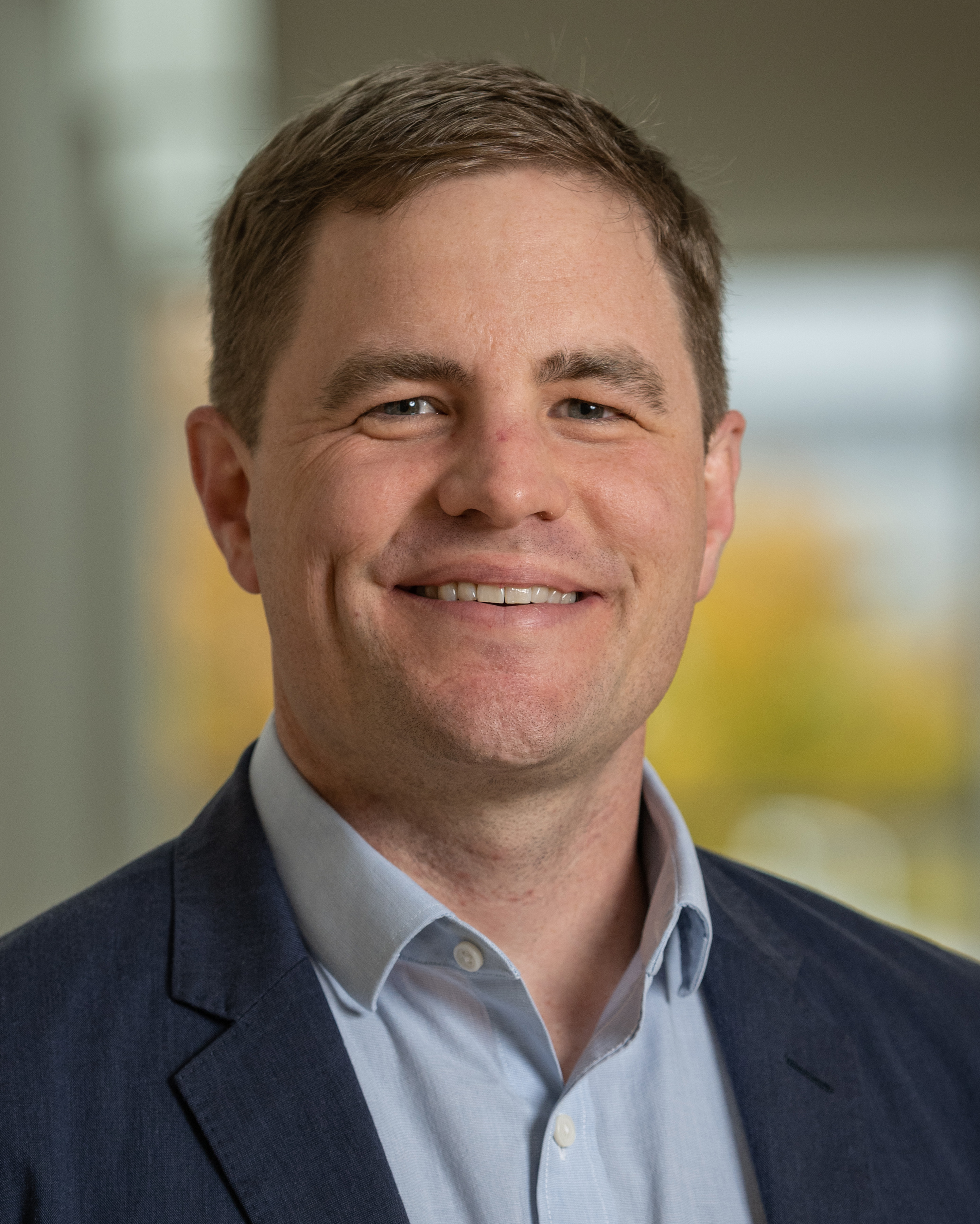
Scott F. Lempka, PhD, is an Associate Professor in the Department of Biomedical Engineering at the University of Michigan (Ann Arbor, MI, USA) with a secondary appointment in the Department of Anesthesiology. Dr. Lempka is the Principal Investigator of the Neuromodulation Laboratory and the Director of Neuromodulation in the Chronic Pain and Fatigue Research Center. Dr. Lempka is also currently a Visiting Fellow in the Department of Engineering Science at the University of Oxford (Oxford, England). His research group utilizes engineering approaches, such as computational modeling, to study the mechanisms of action of clinical neuromodulation therapies for chronic pain management and other neurological disorders.
-

Brett Wingeier, PhD
Vice-President of Research and Development
NeuroPace · Mountain View, California
Brett Wingeier, PhD, is a biomedical engineer, neuroscientist, and R&D leader with 25+ years of experience in bringing complex, data-driven neurotech to market across multiple indications and platforms. Dr. Wingeier is currently Vice-President of Research and Development at NeuroPace, a publicly-traded neuromodulation company focusing on responsive brain stimulation for treatment of epilepsy. Previously, he served as CEO and co-founder of Magnus Medical, bringing to market the SAINT technology for data-driven, individually-targeted treatment of major depression, and CTO of Halo Neuroscience, where he created Halo Sport, a non-invasive wearable neuromodulation platform for human performance applications. Holding a BSE and Ph.D. in Biomedical Engineering from Tulane University, Dr. Wingeier has published research in biosignals and neural interfaces and is a US registered patent agent with more than 80 issued patents.
-
Marom Bikson, Professor
CCNY · New York, New York
-
.jpg)
David is an experienced neural engineer and clinical scientist, with 14 years of experience developing neurotechnologies for various severe disease states. He holds a PhD in Biomedical Engineering from the University of Utah, where he conducted groundbreaking clinical research using the renowned Utah Electrode Array. David has over a decade of industry research experience, including 10 years dedicated to neuromodulation for chronic pain and neurological disorders and experience as an enterpreneur and founder. David has authored many patents and peer-reviewed papers and championed many impactful projects from startup through completion.
Currently, at Abbott, David provides technical and strategic leadership for new neurotechnology development, ensuring alignment of short-term objectives with a visionary long-term impact. His expertise spans medical device development, clinical trial design, pre-clinical studies, and product development, with a particular focus on innovative techniques in neural engineering and advanced neural-computer interfaces. Prior to his tenure at Abbott, David held progressively responsible roles at Avanos Medical.
-
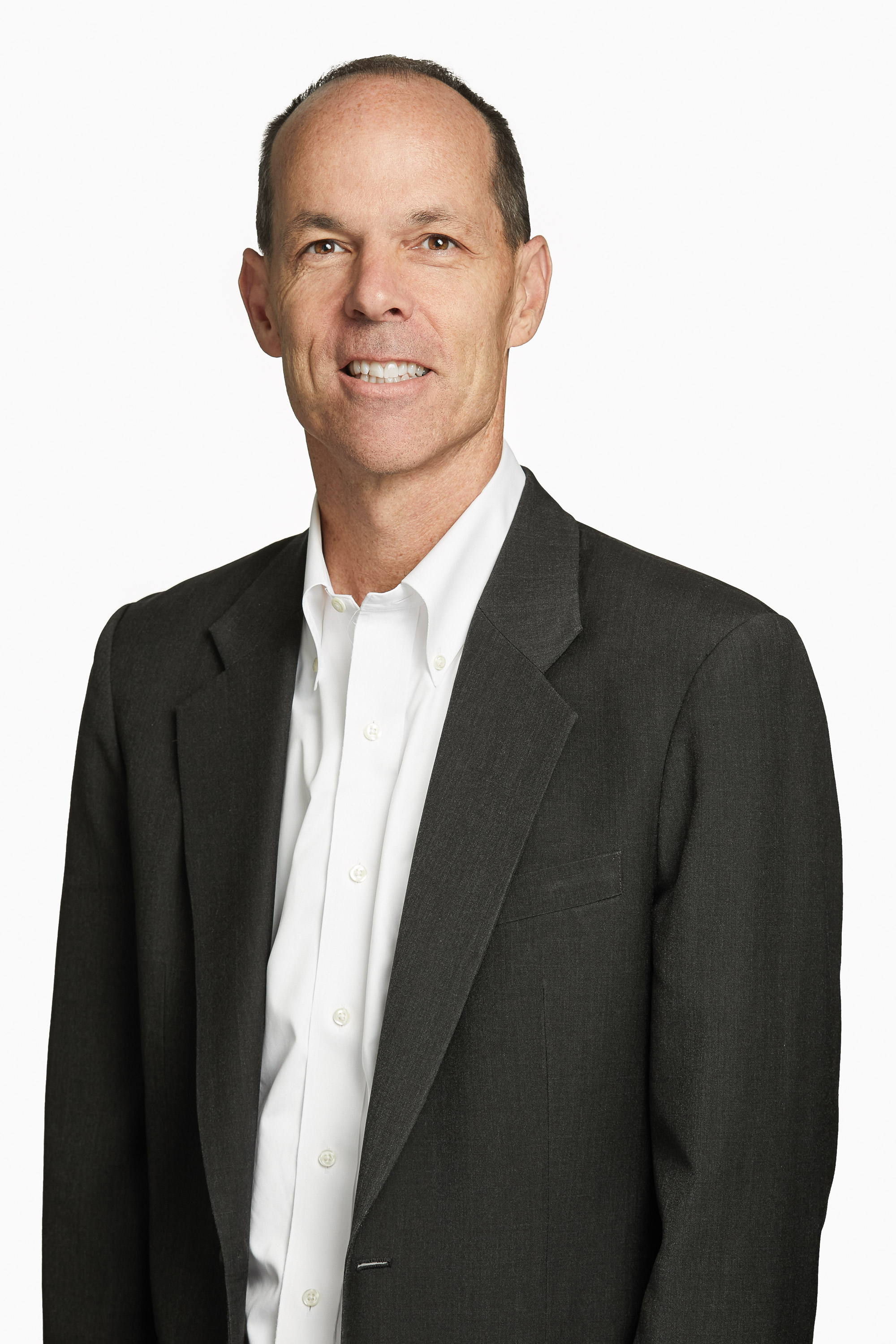
Kerry Bradley, trained as an Electrical Engineer, has worked in an R&D, Clinical, and Research capacity in implantable electrical stimulation for 35 years. He has worked at St Jude Medical, Advanced Bionics, Boston Scientific, QiG, and Nevro. He presently is Vice President of Clinical Research at Nevro, focusing on clinical and preclinical investigations of neurostimulation therapies.
-
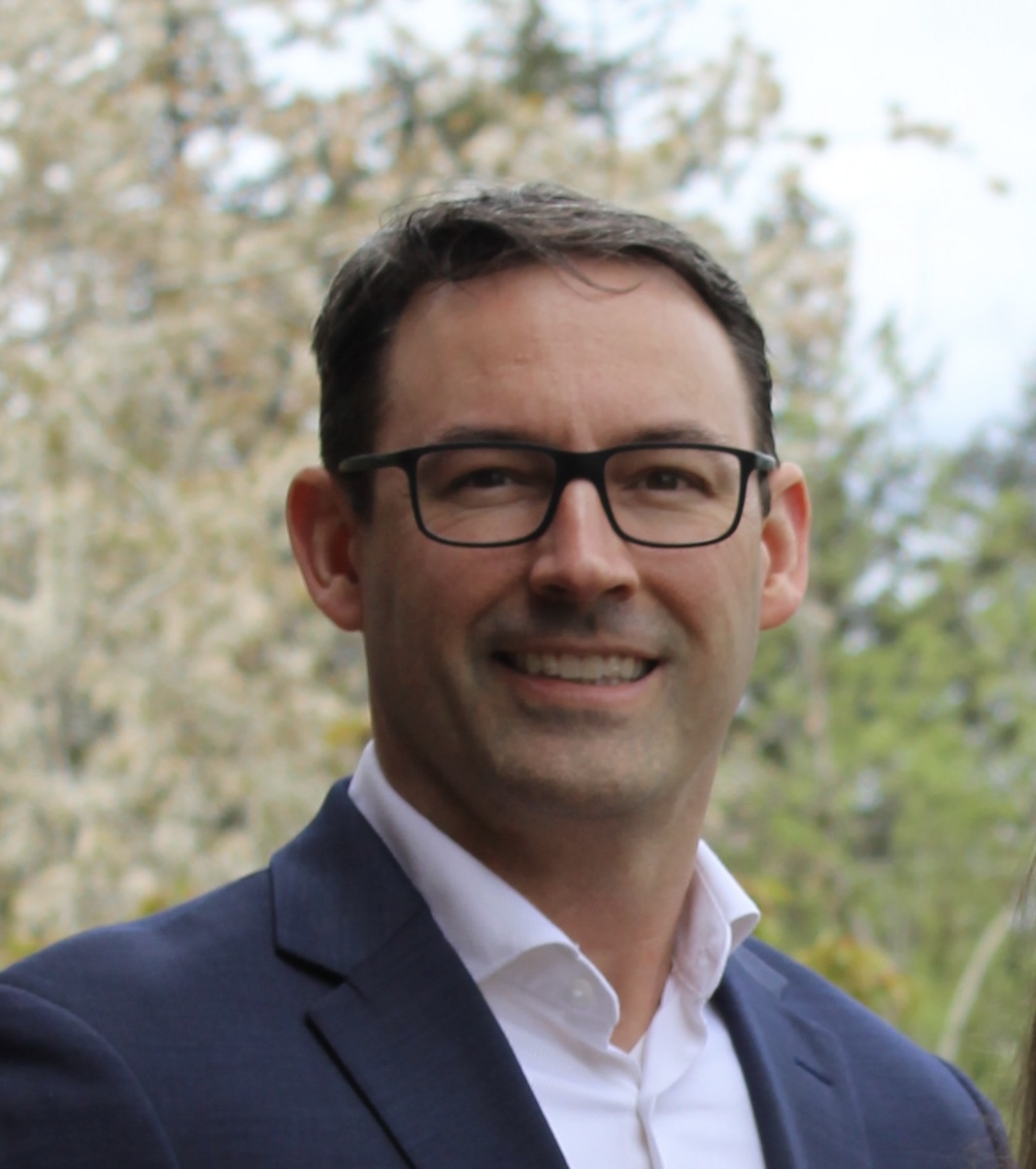
Andrew Kibler, PhD
Director, Clinical Technology and Advanced Concepts
BIOTRONIK · Lake Oswego, Oregon
Andrew Kibler, Ph.D. is a medical technology and neuromodulation leader passionate about building a better future through clinical partnerships, cross-specialty innovation, rapid evaluation cycles, and the power of data-informed decision making. He earned a Ph.D. in Biomedical Engineering from Case Western Reserve University in 2010 following his electrical engineering degree. He has since worked in several health sciences fields: Cardiac rhythm management (CRM), Vagus nerve stimulation (VNS), and spinal cord stimulation (SCS). At Micro Systems Engineering, Inc. he led the Therapeutic Technologies team, and at BIOTRONIK NRO, Inc. he leads Clinical Technology and Advanced Concepts departments, responsible for novel diagnostic, digital health, AI, and therapeutic capabilities.
-
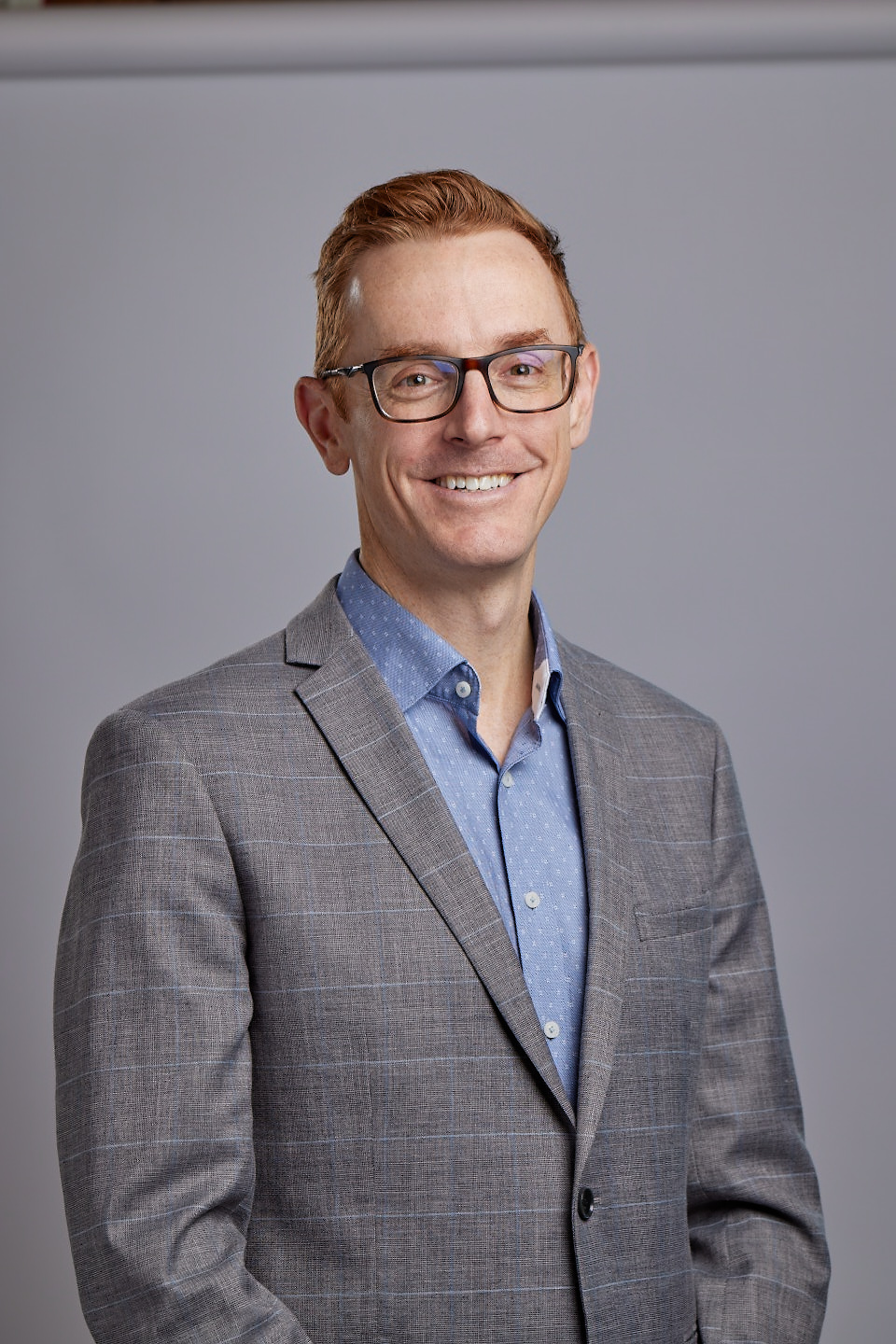
Dean M Karantonis graduated with the BE(Hons)/MBiomedE degree in computer and biomedical engineering from UNSW, Australia. He completed a PhD in biomedical engineering at UNSW in collaboration with industry partner Ventracor, focussed on real-world control of an implantable rotary blood pump. Dr Karantonis was a pivotal member of the NICTA Implant Systems group, which developed a world-first closed-loop neuromodulation technology. He led the engineering development of the Evoke Spinal Cord Stimulation (SCS) System for the treatment of chronic pain at Saluda Medical. From 2017, he led the product development group, during which time the Evoke System was granted its first commercial approvals and was submitted to the FDA. Shifting focus to leveraging Saluda’s core neural sensing technology, he was appointed to lead the newly formed Therapy Development team, and now holds the CTO role, with the team focussed on understanding the neuroscience of chronic pain and other disease states, and using this knowledge and data to create innovative product features, guiding them through feasibility clinical studies and on to product launch. Dr Karantonis has authored numerous journal papers and conference proceedings, coauthored a book chapter on physiological measurement, is a coinventor of numerous patents, and is an IEEE member.
-
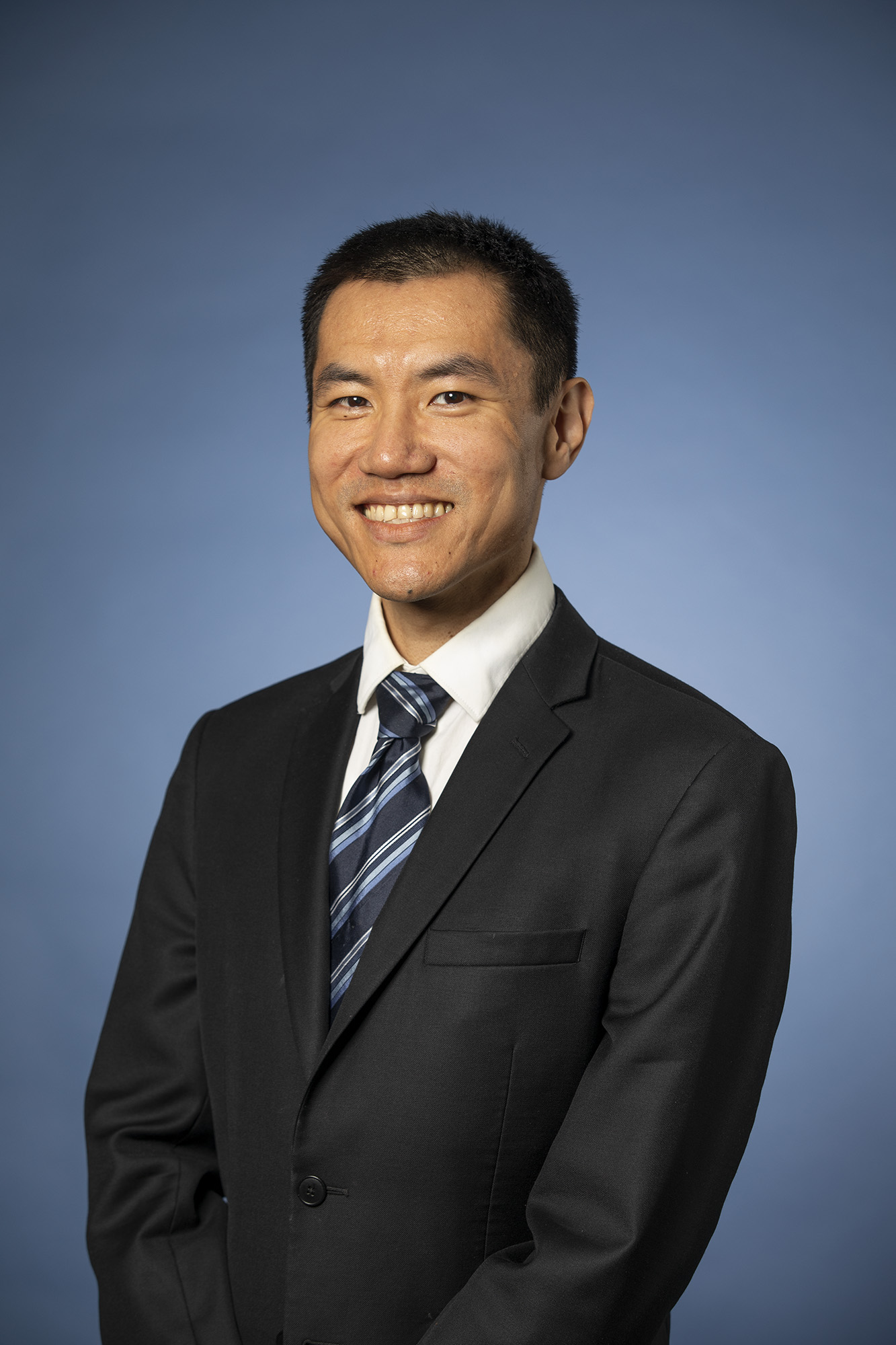
Tianhe Zhang is a R&D Fellow and Manager of Pain Research working in the Research and Advanced Concepts team at Boston Scientific Neuromodulation. He performed his doctoral research on model-based optimization of Spinal Cord Stimulation (SCS) under Professor Warren Grill at Duke University and received his Ph.D. in Biomedical Engineering in 2015. At Boston Scientific, he continues to research the mechanisms of action underlying neuromodulation, including both spinal cord stimulation and deep brain stimulation, through internal work and collaborations with external academic institutions and seeks to translate research findings into novel algorithms on next-generation neuromodulation devices. Altogether, Tianhe has over 17 years of combined experience in neuromodulation research and is a named author on over 20 peer-reviewed publications on the subject.
-
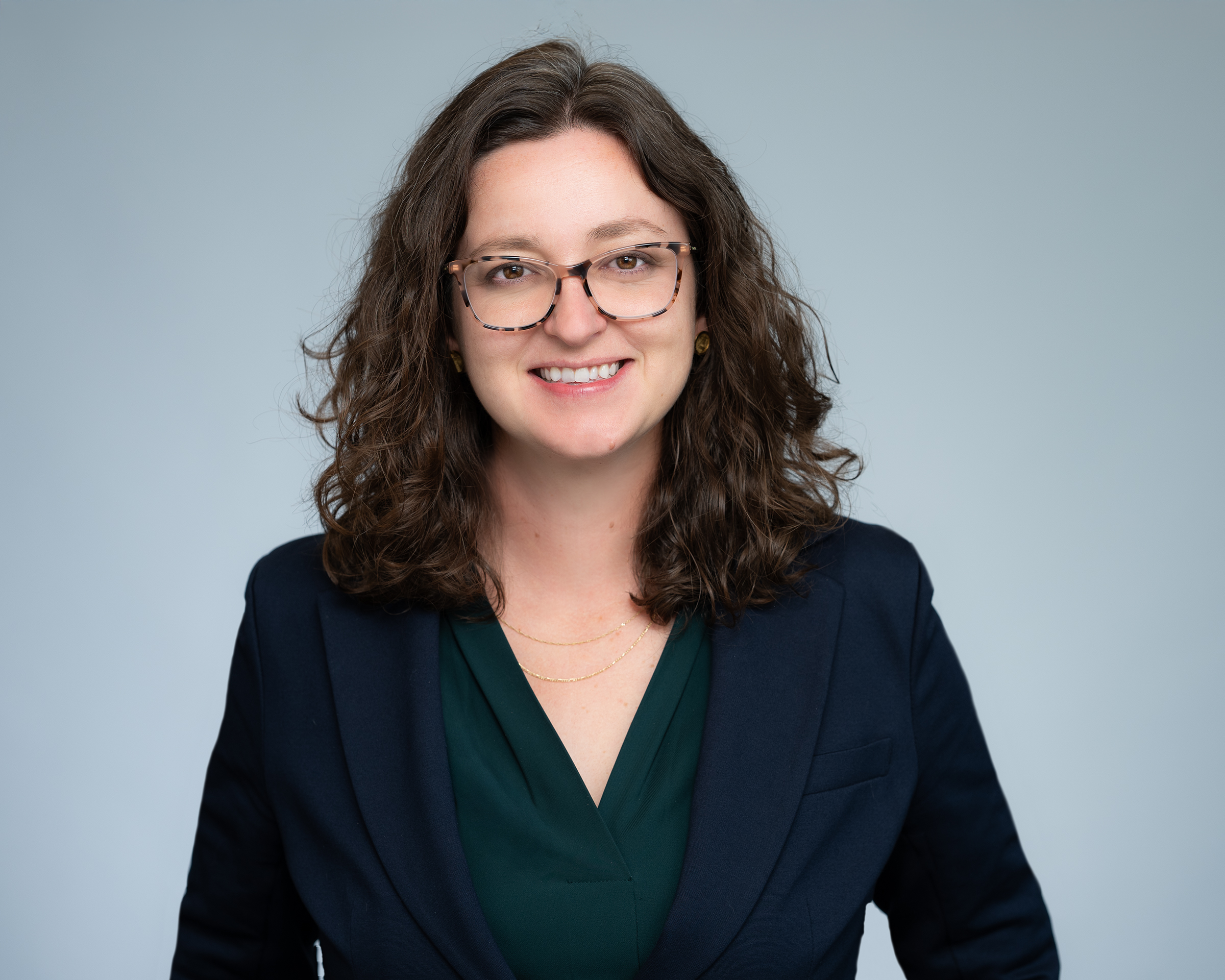
Malgorzata (Margo) Siorek is a Principal Scientist in the Research and Technology group of Neuromodulation at Medtronic for over 5 years, focusing on SCS and closed-loop sensing. Prior to that, she was a scientist at Paradromics and Assistant Investigator at the Feinstein Institutes. She has a PhD in Biomedical Engineering from the University of Minnesota and did her postdoctoral fellowship at Johns Hopkins University.