
Faculty Panel Q&A
Part of Advanced Engineering Principles in Neuromodulation: Next-Generation SCS and DBS Technologies
Details
- Date
- Thursday, January 21, 2027
- Time
- 11:30 AM – 12:00 PM
- Session type
- Pre-Conference Session
- Schedule
- See this day
About
This course provides a deep dive into the advanced engineering behind next-generation spinal cord stimulation (SCS) and deep brain stimulation (DBS) technologies. The morning session spotlights academic leaders sharing foundational concepts critical to innovation in neuromodulation, covering topics such as implantable pulse generator design, electrode technology, novel stimulation paradigms, neural sensing, clinical testing strategies, and the integration of artificial intelligence. During the afternoon, you'll gain insider perspectives from engineers at top companies, as they present cutting-edge technologies recently launched or in active development. This unique structure bridges theory and application, empowering attendees with unparalleled insight into both the scientific fundamentals and real-world breakthroughs propelling neuromodulation forward. Each session features a dedicated faculty Q&A, offering direct engagement with experts. The course is tailored for a broad audience: neural engineers, clinicians, industry professionals, and researchers invested in advancing neuromodulation therapies. Attendees will explore the intricate engineering challenges of modern devices, discover emerging solutions and technologies, and understand how academic and industry innovators are shaping the future of patient care. Focused on the most relevant technological advancements and ongoing innovations, this course delivers practical knowledge that can immediately inform clinical decision-making, inspire new research directions, and support technology development in neuromodulation.
Presenters
-
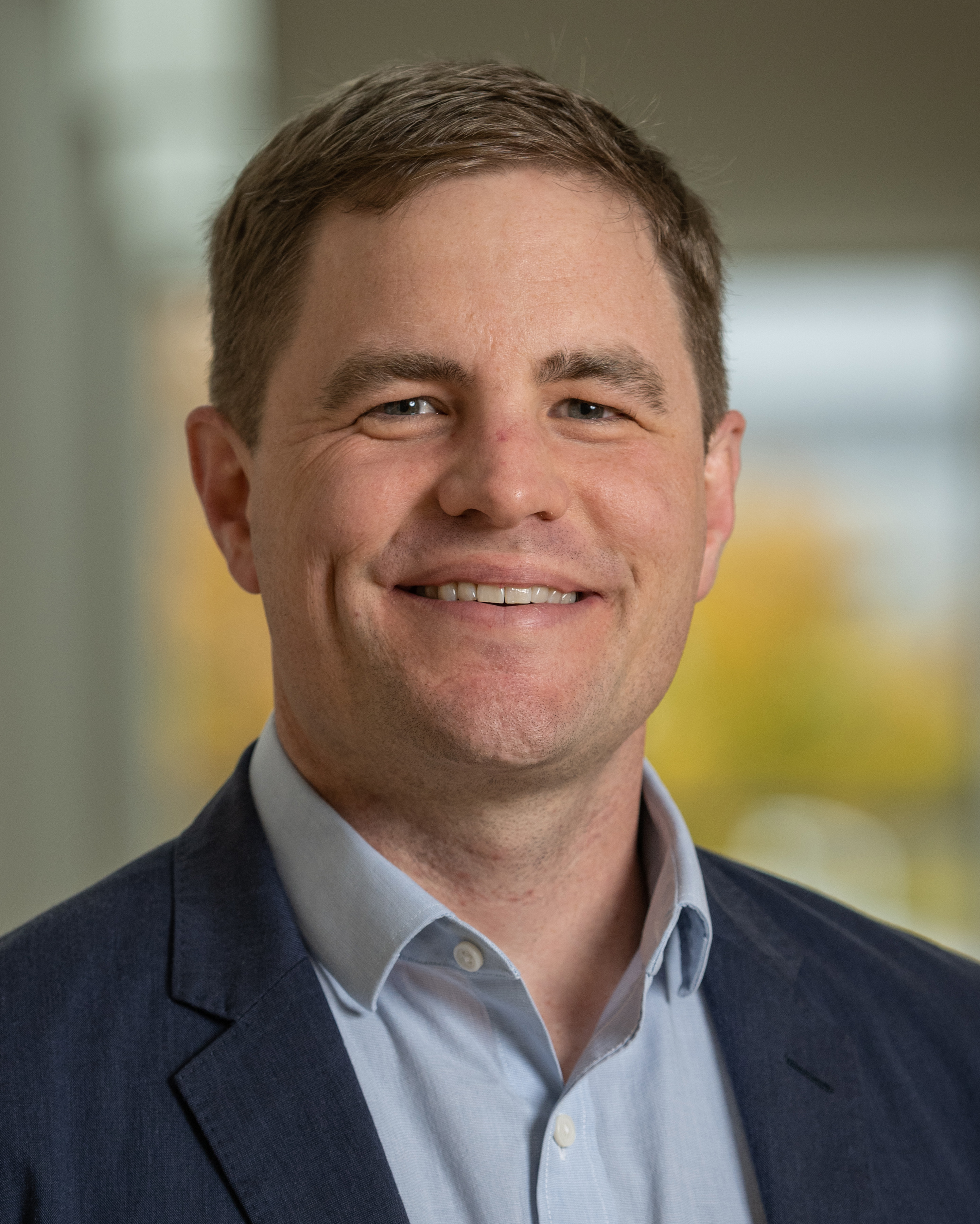
Scott F. Lempka, PhD, is an Associate Professor in the Department of Biomedical Engineering at the University of Michigan (Ann Arbor, MI, USA) with a secondary appointment in the Department of Anesthesiology. Dr. Lempka is the Principal Investigator of the Neuromodulation Laboratory and the Director of Neuromodulation in the Chronic Pain and Fatigue Research Center. Dr. Lempka is also currently a Visiting Fellow in the Department of Engineering Science at the University of Oxford (Oxford, England). His research group utilizes engineering approaches, such as computational modeling, to study the mechanisms of action of clinical neuromodulation therapies for chronic pain management and other neurological disorders.
-
Marom Bikson, Professor
CCNY · New York, New York
-
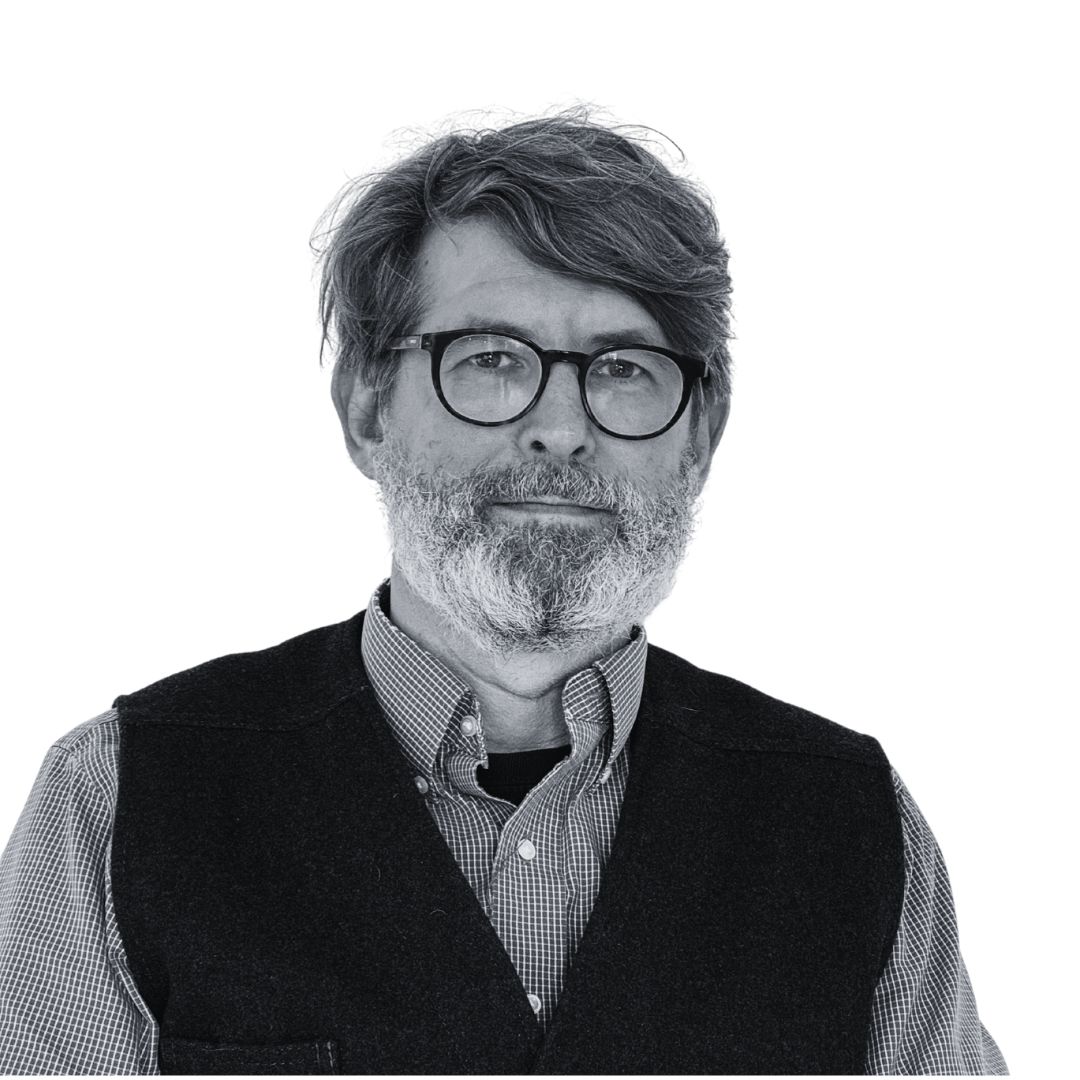
Tim Denison, PhD
Royal Academy of Engineering Chair in Emerging Technologies
Institute of Biomedical Engineering, University of Oxford · Oxford
Professor Denison holds a joint appointment in Engineering Science and Clinical Neurosciences at Oxford, where he explores the fundamentals of physiologic closed-loop systems. Tim also serves as an advisor to several governments and industry boards for translational medical devices; in particular, helping define strategies for mapping scientific discovery to product development roadmaps within the regulatory and economic constraints of medical systems. To support translation to the clinic, he is a director and chief engineer of Amber Therapeutics, which designs, manufactures, and distributes the Picostim-DyNeuMo investigational research system that is active in multiple first-in-human device trials. Prior to Oxford, Tim was a Technical and Bakken Fellow at Medtronic PLC and Vice President of Research & Core Technology for the Restorative Therapies Group, where he helped oversee the design of next generation neural interface and algorithm technologies for the treatment of chronic neurological disease. In 2015, he was elected to the College of Fellows for the American Institute of Medical and Biological Engineering (AIMBE), and in 2024, he was named a Fellow of the Royal Academy of Engineering. He has an MS and PhD from MIT in electrical engineering, an AB in Physics and MBA from the University of Chicago.
-
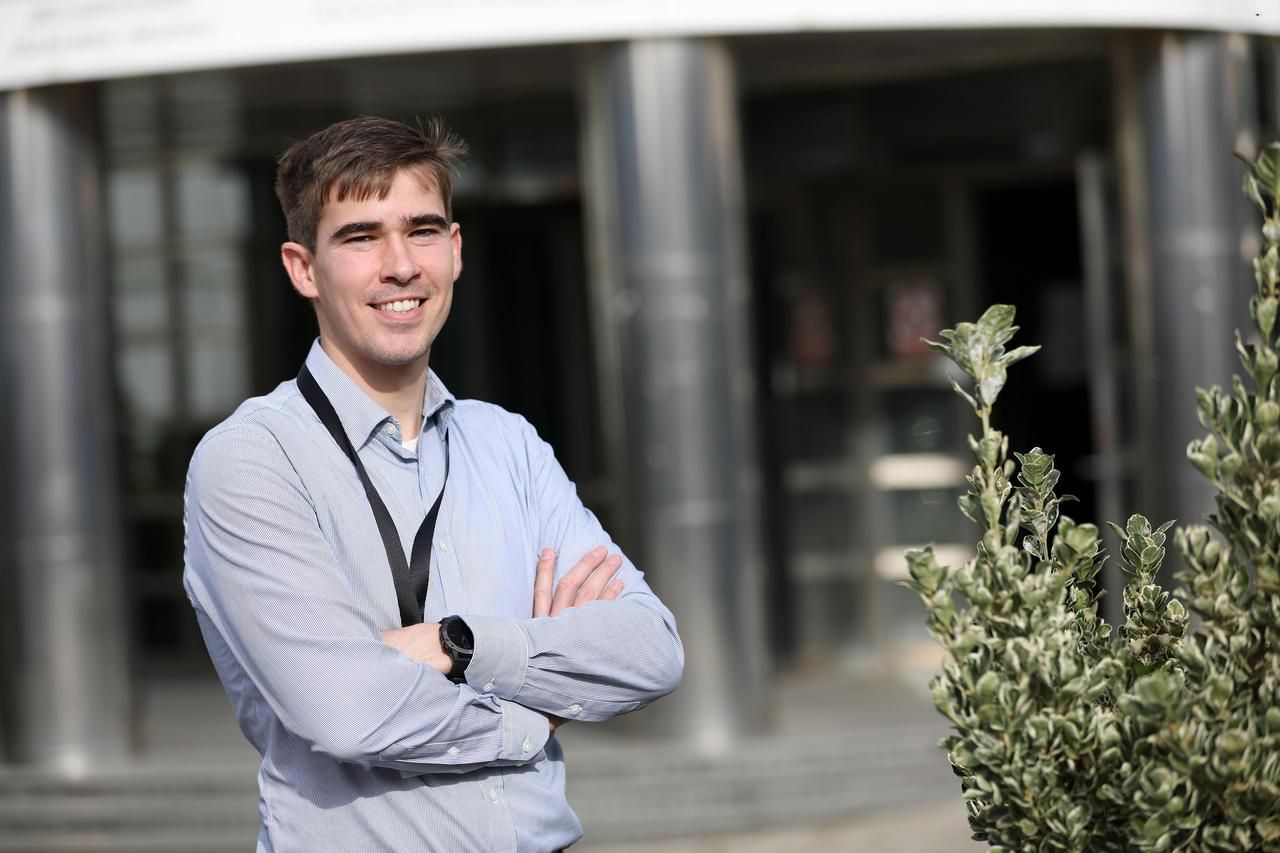
Eric Głowacki is a professor of biomedical engineering at the Brno University of Technology in the Czech Republic, and leads the Laboratory for Bioelectronic Materials and Devices at the Central European Institute of Technology, CEITEC, Brno. His background is in physical chemistry (MSc 2009 University of Rochester, USA), (PhD 2013, Johannes Kepler University in Linz, Austria) During postdocs in Linz (2013-2016), his research interest shifted into the field of electrophysiology, bioelectrochemistry, and neuromodulation. In 2016, he moved to set up and independent group at Linköping University in Sweden, within the Wallenberg Center for Molecular Medicine, working on wireless neurostimulation devices. In 2020, he was awarded the ERC Starting Grant, with which he moved his group to CEITEC. His group conducts fundamental research, as well as applied collaborations with companies. The research is dedicated to neural interface technologies and bioelectronic medicine and fundamental exploration in neuromodulation and reactive oxygen species in physiology, and specializes in the use of electrochemical methods to study neurostimulation electrode interface phenomena.
-
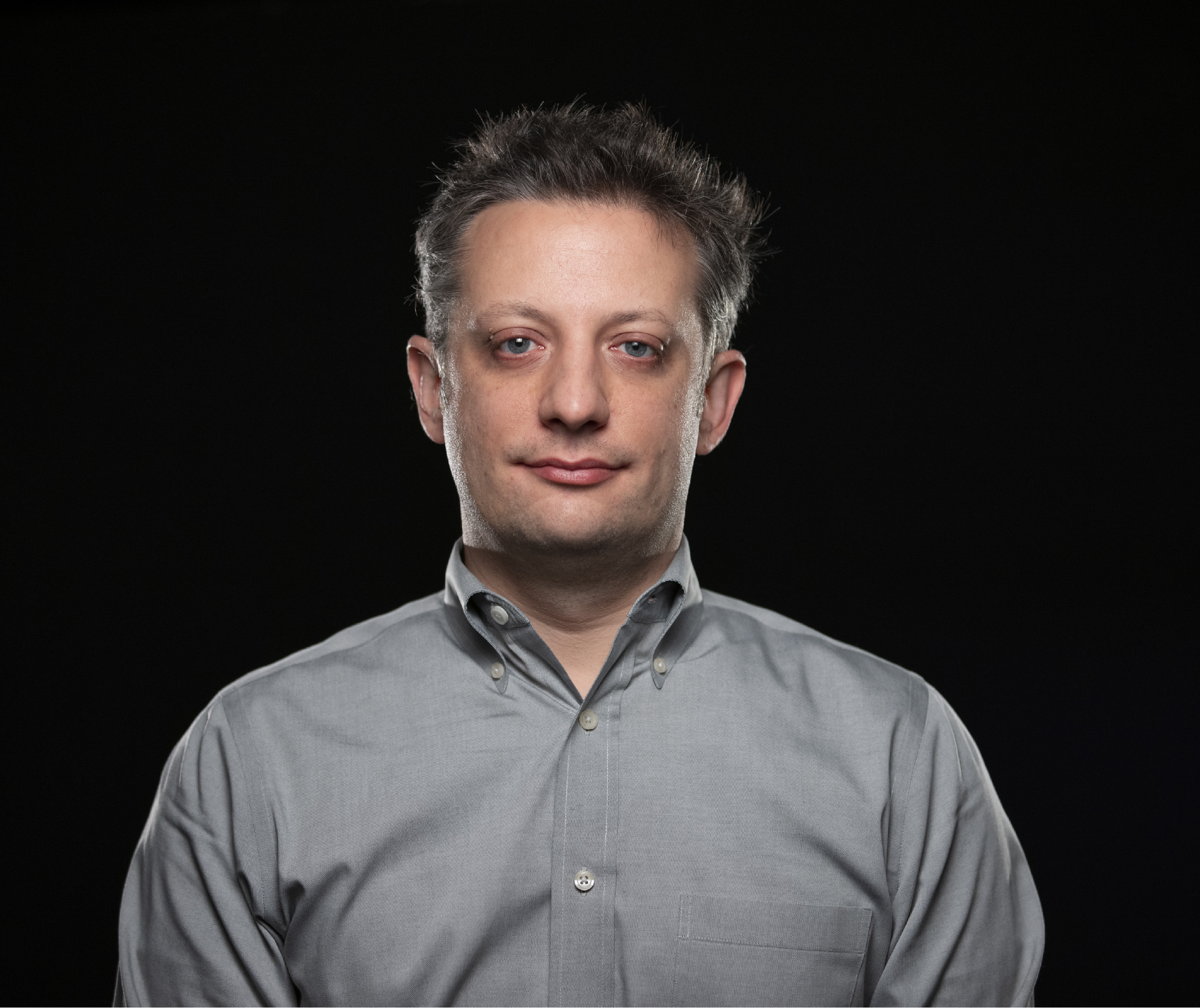
Lee Fisher is an Associate Professor in the Departments of Physical Medicine & Rehabilitation and Bioengineering at the University of Pittsburgh and Director of Education for the Rehab Neural Engineering Labs. Dr. Fisher received his PhD in Biomedical Engineering from Case Western Reserve University, where his research focused on the use of electrical stimulation to restore standing after spinal cord injury. He was a post-doctoral scholar at the University of Pittsburgh before joining the faculty in 2013. Dr. Fisher was the 2021 recipient of the North American Neuromodulation Society’s Kumar New Investigator Award for his research focused on sensory restoration in people with limb amputation. He is a Senior Member of IEEE and Associate Editor of the IEEE Transactions on Neural Systems and Rehabilitation Engineering and Guest Editor of Frontiers in Pain Research.
-

Dr. Shirvalkar is a neurologist and pain physician who both cares for patients and leads the Pain Neuromodulation Laboratory at the University of California San Francisco. He earned his doctoral and medical degrees at Icahn School of Medicine at Mount Sinai and completed a neurology residency at Weill Cornell Medicine and Memorial Sloan Kettering Cancer Center, where he served as chief resident. He completed a clinical fellowship and postdoctoral training at UCSF, where he was hired as faculty at the UCSF Weill Institute of Neurosciences. His lab studies how the subjective experience of chronic pain is processed in the human brain towards developing novel brain and spine stimulation technology to improve pain and quality of life. He has active clinical and basic science studies to develop closed-loop brain stimulation for chronic pain syndromes.